  1. Home
  2. Emerging Tech
  3. Wearables
  4. News

Scientists find insomnia is linked to stroke risks. No, your smartwatch or ring is not going to cut it

If you brag about getting by on little sleep, this study may make you think twice

Add as a preferred source on Google
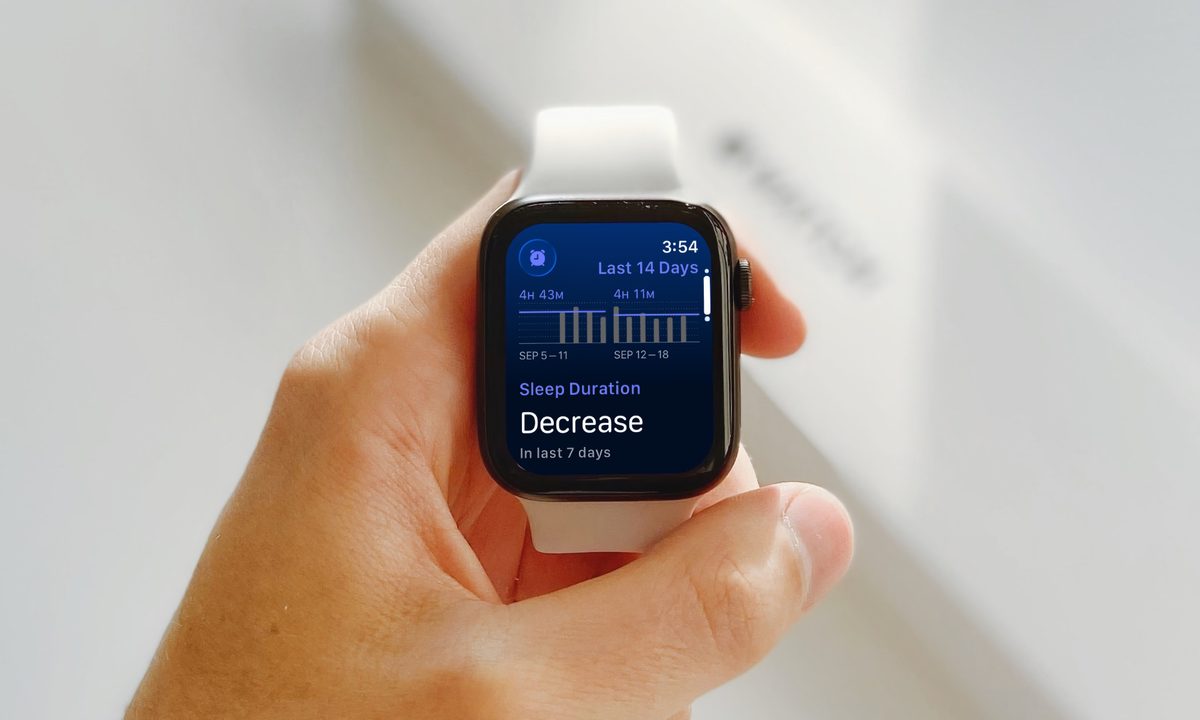
Sleep tracking on Apple Watch
Rachit Agarwal / Digital Trends

If you’ve been bragging about your sleeplessness or insomnia at work, getting more done than others because they’re sound asleep after hours, or using it as an excuse to push through an unnecessarily taxing vacation, new research may make you think twice. 

A review from the European Academy of Neurology and MedUni Vienna found insomnia tied to a higher risk of stroke, hospitalization, and several brain and mental health conditions. 
How big is the risk exactly?

Researchers pooled nine studies covering 1.3 million people; that’s a large, robust sample. They found that insomnia raises the risk of a stroke by 26%. This is likely linked to a buildup of neurotoxic proteins and brain inflammation, but it’s not proven cause and effect.

Recommended Videos

A separate analysis of over 500,000 patients linked it to a 28% higher chance of hospitalization, and not just for a particular reason, but for any reason. 

The review also connected insomnia to dementia, depression, and suicidal behavior. However, those links were less consistent. Oddly, it found no link to earlier death, so it’s more of a warning sign. 

Chronic insomnia already affects roughly 22% of adults, worse in women and nearing 30% in older age groups, which is what makes this study even more important. 
Why won’t your fitness tracker catch this?

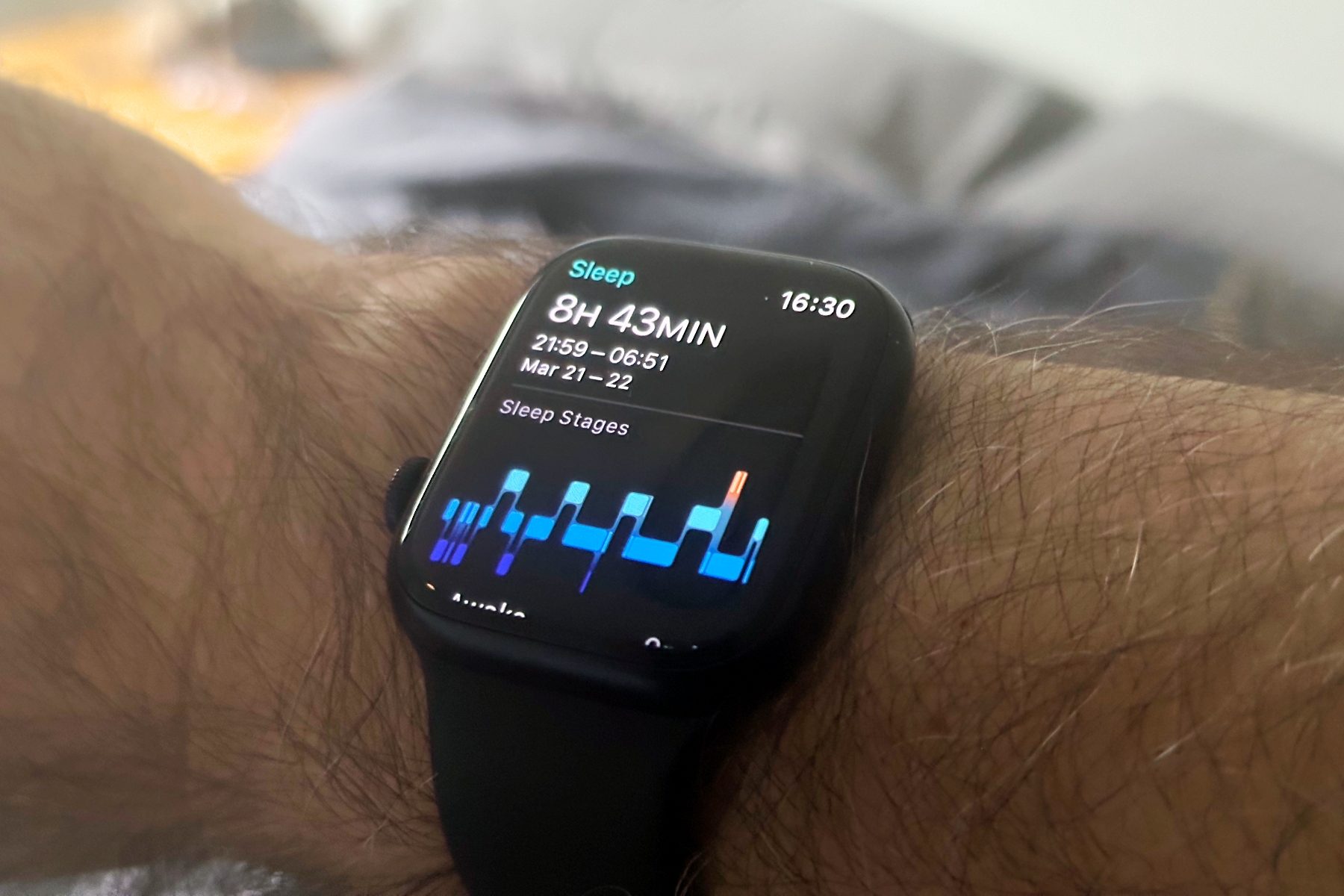
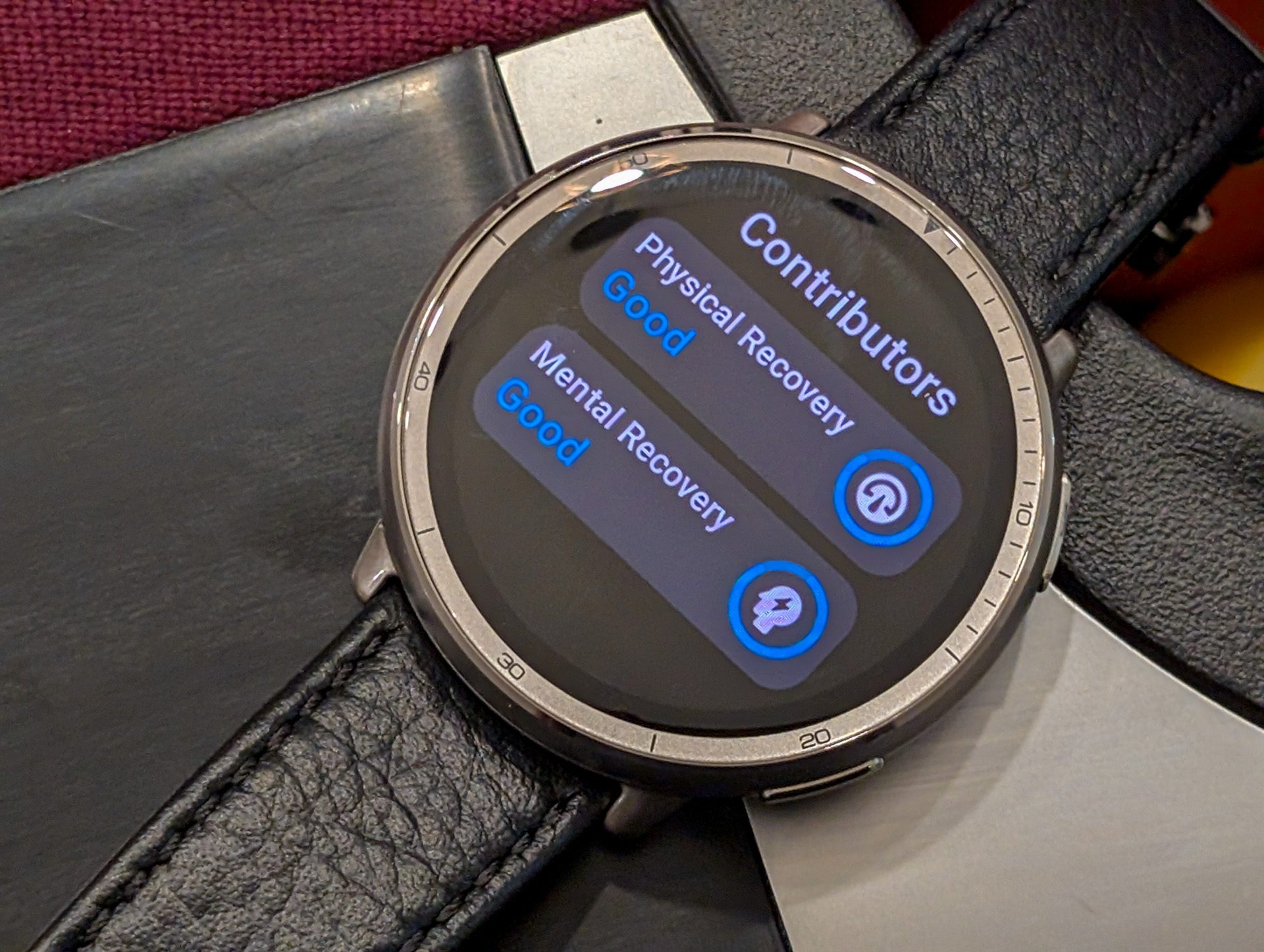
Your smartwatch or sleep ring is designed to measure movement and heart rate, not diagnoses. Real insomnia is a clinical condition that constitutes several factors, including but not limited to how you feel, how long it takes to fall asleep, and sometimes an overnight sleep study. 

None of these fit inside a wearable’s algorithm. Fitness trackers, at least the current ones on the market, are pretty good at tracking your sleep hours or how well your body recovered during sleep, but they’re not programmed to link sleeplessness to serious underlying brain-related health conditions. 

The review points to cognitive behavioral therapy as the standard first treatment, with newer medications as backup, and argues insomnia belongs in brain-health conversations, not just sleep ones.

Shikhar Mehrotra
For more than five years, Shikhar has consistently simplified developments in the field of consumer tech and presented them…
AI can’t tell if you’re gay or straight, but it thinks it knows what both look like
AI knows it shouldn't judge a face, but apparently, drawing one is a different story.
Emilia Clarke AI generated stock image. Gemini / Nano Banana is on the left

We've all been told not to judge a book by its cover, and you'd think AI would follow that rule, too. Ask an AI chatbot to guess someone's sexual orientation just by looking at their face, and it'll likely tell you that there's no reliable way to know. But what happens when you ask that same model to change someone's appearance to match a particular sexual orientation? Well, that's where things get uncomfortable.

A new study, accepted for presentation at the 2026 Conference on Empirical Methods in Natural Language Processing, found that AI models from OpenAI and Google can be inconsistent when handling sensitive personal characteristics. They might refuse to make assumptions about someone based on their appearance, but when asked to generate those same assumptions visually, the results tell a very different story.

Read more
A clinical study with Google’s special chatbot shows a strong future for AI in healthcare
Google’s medical AI could give doctors a useful second set of eyes
Google Articulate Medical Intelligence Explorer chatbot

AI is a useful tool for handling many tasks in private as well as professional settings, but medical advice, especially diagnosis, is one area where I generally draw the line. General-purpose chatbots tend to sound confident and convincing while giving medical advice, even when they are wrong, as studies have previously found.

That being said, Google's new research points to a much more convincing use for AI in healthcare. Its Articulate Medical Intelligence Explorer chatbot, or AMIE for short, could help prepare both sides before the appointment even begins.

Read more
Relaxation music had one job in this pain study, and favorite songs did it better
Patients who chose their music reported less pain after an IV insertion
Book, Publication, Indoors

Patients’ favorite songs helped ease pain after an IV insertion in a new study, while music specifically chosen for relaxation didn’t show a significant benefit. The soothing soundtrack could apparently use a second opinion.

Researchers at University Hospital Zürich studied 204 patients receiving an IV cannula before an MRI scan. Those listening to their chosen music reported less pain 30 seconds and two minutes after insertion. Across the full sample, the clearest relief came after the needle went in.

Read more