  1. Home
  2. Emerging Tech
  3. News

The Pentagon wants an AI lie detector, despite an old problem it can’t ignore

Pentagon’s Polygraph Next would use non-contact sensing and automated scoring for personnel vetting.

Add as a preferred source on Google
Polygraph training with DCSA
Polygraph training with DCSA Defense Counterintelligence and Security Agency

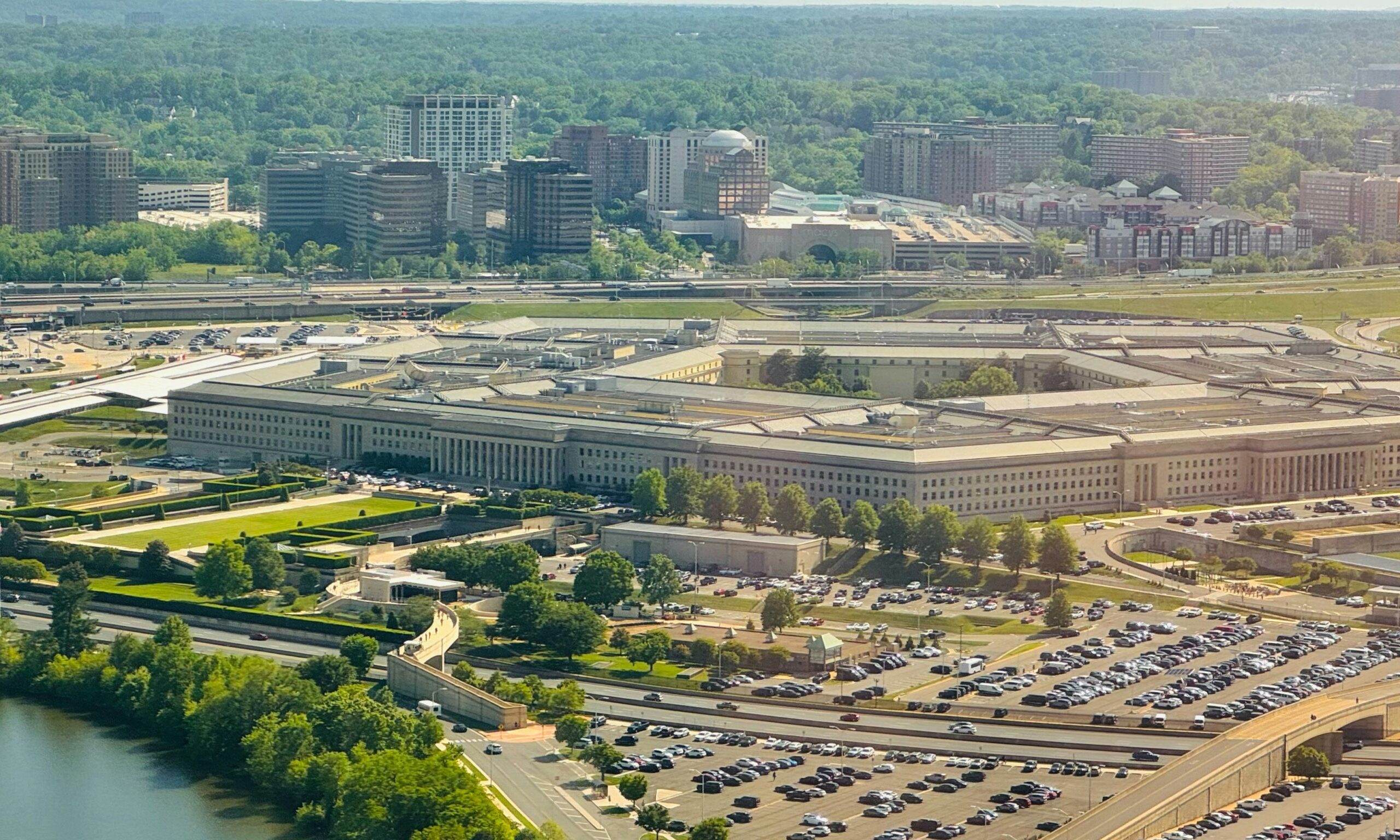
Lie detectors already have a reputation problem. The Pentagon now wants to see whether AI can make them better. A new Defense Counterintelligence and Security Agency program called Polygraph Next would pair non-contact physiological monitoring with AI and machine-learning algorithms that help score credibility assessments.

The Pentagon is requesting $6.42 million for fiscal 2027, with planned funding through 2031 adding up to roughly $30.3 million (via MIT Technology Review). The budget still lists the overall cost of the program as continuing, so that figure should not be treated as its final lifetime cost. The system is being developed for personnel vetting and insider-threat detection. DCSA also wants automated scoring, decision aids, centralized storage, and analytics tools that can help refine the software and identify new diagnostic features.

So what exactly would the AI be looking at?

Traditional polygraphs track physiological changes such as breathing, heart rate, blood pressure, and skin conductance while someone answers questions. Polygraph Next would move some of that sensing away from physical contact. AI and machine-learning algorithms would then analyze the collected signals and help generate automated scores.
DCSA says non-contact monitoring could reduce inconsistencies caused by sensor setup and speed up assessments. Cloud-based storage and analytics are also planned to help researchers refine the software, address gaps, and study additional diagnostic features.

Recommended Videos

The idea of letting software hunt for signs of deception is not new. We previously covered VeriPol, a machine-learning system used by Spanish police to flag potentially false robbery reports by looking for patterns in written statements. Then there is Nemesysco, which originally developed its voice-analysis technology as a lie detector for security forces before expanding it into emotion analysis that uses machine learning to find subtle patterns in voice data.

There is still a pretty big scientific problem

Polygraphs do not detect lies directly. They record physiological responses and use those signals to make inferences about whether someone may be deceptive. A landmark 2003 National Academies report notes that changes in respiration, heart rate, blood pressure, and skin conductance can accompany deception, but the same kinds of responses can arise for other reasons.

Accuracy therefore remains a major question. A National Academies review found the scientific evidence supporting polygraph accuracy in security screening to be limited and weak, raising concerns about relying heavily on the tests for personnel decisions. AI may make scoring faster or more consistent, but DCSA has not published evidence showing that machine learning can overcome the underlying limits of polygraph testing.

Sudhanshu Kumar Mangalam
I’ve got about 4 years of experience, mostly covering gaming, PC hardware, and smartphones. In my free time, I like…
A Swiss startup has found a clever way to charge electric buses through their tyres
Winduction's tyre-based charging technology could let electric buses top up at bus stops, allowing smaller batteries, lower costs and more passenger space.
diagram showing bus induction charging

Bus fleets across Switzerland and Europe are going electric, but keeping them running isn't cheap. Today's e-buses carry massive batteries and rely on heavy-duty chargers at the depot, and operators pay a lot for both upfront and over time. According to ETH Zurich, its spin-off Winduction has a smarter idea: let buses charge through their tyres at bus stops.

How does a tyre charge a bus?

Read more
A US state just approved an AI doctor. For now, it’ll only prescribe acne cures.
Aside from acne, Nolla's AI can also handle redness, fine lines and wrinkles, hyperpigmentation and dark spots, and under-eye bags.
Nolla Derm AI doctor app.

The first AI doctor is here. Despite all the skepticism and risks associated with AI models going haywire, the state of Utah just approved Nolla Health, a company that is providing an AI healthcare expert capable of writing prescriptions without any human in the chain. For now, it will only write acne prescriptions for Utah residents over 18 years of age, willing to pay a token monthly subscription fee that's lighter than your Spotify bill.

The big push here is that the Nolla Derm app will reduce the costs of medical consultation, save users the hassle of clinic visits, and take out the problem of waitlisting from the entire healthcare equation. “Unlike telehealth platforms that use AI only to collect information before handing patients off to clinicians, Nolla's AI system is designed to independently issue initial prescriptions within tightly defined, physician-approved treatment protocols,” writes the company. 

Read more
AI’s massive appetite could make cheap smartphones much harder to find
The smartphone aisle is getting pricier, and AI may be partly to blame.
Electronics, Mobile Phone, Phone

Buying a genuinely cheap smartphone could soon become a lot harder, and the reason has little to do with what’s happening inside the smartphone industry itself. The enormous amount of hardware being poured into AI data centers is pressuring global memory supplies. That has helped drive up the cost of making phones, and manufacturers appear increasingly reluctant to absorb those extra costs at the cheapest end of the market.

According to Counterpoint Research, prices of existing smartphones have increased by around 15% globally this year, while newly launched devices are roughly 25% more expensive than comparable models from last year. The impact hasn't been equal everywhere, either. Smartphone prices have climbed 21% in India and 19% across Asia-Pacific, compared with just 5% in the US.

Read more