  1. Home
  2. Audio / Video
  3. Computing
  4. Tablets
  5. News

Amazon’s Echo, Kindle, and Fire TV just got hit with major price hikes

Rising memory costs are making Amazon’s everyday gadgets more expensive

Add as a preferred source on Google
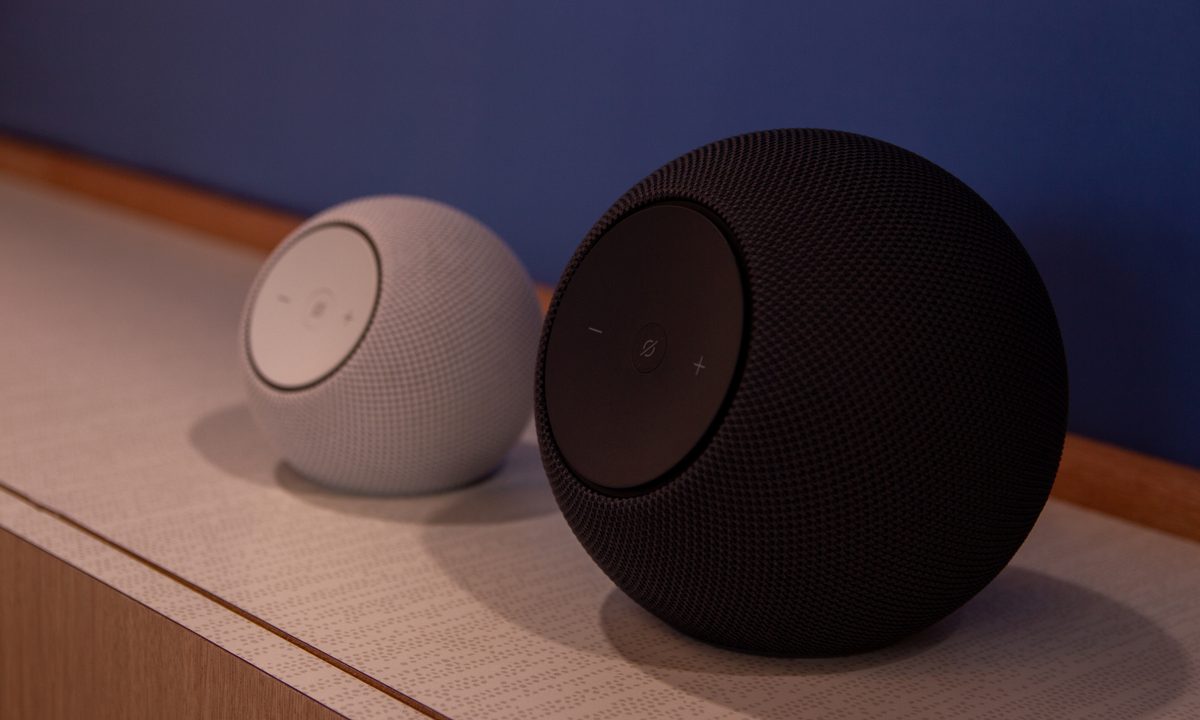
A black, spherical smart speaker (Amazon Echo Studio) next to a smaller, white spherical smart speaker (Echo Dot Max)
Chris Hall / Digital Trends

The memory crisis has already pushed up prices across phones, laptops, consoles, and cameras, and now it is starting to reach smaller everyday gadgets. Amazon has raised prices on several Echo, Kindle, Fire TV, and Eero products, and Fortune reports that the company has blamed the increases on rising memory and storage component costs.

Some of the jumps are pretty steep. The Echo Dot, which previously cost $49.99, is now $79.99. That is a 60% increase on a device that was supposed to be one of the cheapest ways into Amazon’s smart home ecosystem.

Even the cheap stuff is getting caught up in it

Amazon’s streaming hardware is feeling the pressure too. The Fire TV Stick 4K Max has climbed from $59.99 to $84.99, while the cheaper Fire TV Stick HD is now $39.99 instead of $34.99. The 16GB Kindle has gone from $109.99 to $149.99, and the Kindle Paperwhite is up another $40 to $199.99. Home networking gear has not escaped either, with the Eero Pro 7 rising by $100 to $799.99.

Amazon confirmed the increases, saying the consumer electronics industry is facing “significant increases in memory and storage component costs.” The company says it held off on passing those costs to customers for as long as it could.

The RAM crisis is spreading well beyond PCs and phones

Most of the damage from rising memory prices has so far been easiest to spot in products where RAM and storage make up a noticeable part of the hardware cost. But smart speakers, streaming sticks, e-readers, and Wi-Fi systems still need memory and storage to function.

Recommended Videos

For months, analysts and industry executives have warned that skyrocketing memory costs would eventually spread beyond smartphones, computers, and consoles to the wider consumer electronics market. We are now seeing more of those warnings play out, with Amazon’s latest price hikes showing how far the memory crunch has started to spread.

Sudhanshu Kumar Mangalam
I’ve got about 4 years of experience, mostly covering gaming, PC hardware, and smartphones. In my free time, I like…
The Walkman is alive, sleek as ever, but Sony wants a fortune for it
The Walkman is back for audiophiles with deep pockets and big headphones.
Sony walkman feature shot

Sony has just revealed three new high-end Walkman music players, and yes, you read that right. In a world where most of us listen to music on our phones, Sony is still betting that audiophiles want a separate device for their tunes. The new lineup includes the flagship NW-WM1ZM3, the NW-WM1AM3, and the more “affordable” NW-ZX900.

What makes these Walkmans so special?

Read more
Razer’s Barracuda V2 Pro launches with a better mic, longer battery, and a lower price
Razer has also added simultaneous wireless playback, Hybrid ANC, and a detachable boom mic for gaming.
Person wearing Razer barracuda V2 Pro gaming headset

Razer has launched the Barracuda V2 Pro, a new wireless gaming headset that is meant to work just as well away from a desk as it does in front of one. It costs $199.99 and comes with Hybrid Active Noise Cancellation, simultaneous 2.4GHz and Bluetooth audio, THX Spatial Audio+, and up to 70 hours of battery life.

The original Barracuda Pro followed much the same formula. We liked its understated design, balanced audio, and flexible connectivity, but the $250 price, loose fit, and weak microphone made the package harder to recommend. The interesting part here is that Razer seems to have gone directly after a few of those complaints.

Read more
YouTube could enter the audiobook business in 2027, giving Audible and Spotify a new rival
A rumor worth watching, and worth waiting on.
Electronics, Phone, Mobile Phone

Audible and Spotify might want to look over their shoulders. A new report suggests YouTube is eyeing the audiobook business. That’s a big deal.

According to The Wall Street Journal, YouTube could roll out audiobooks as early as 2027. The report also mentions how the platform has been talking with publishers for months. YouTube, however, hasn’t confirmed it.

Read more