

Meta’s smart glasses have been embroiled in controversy for a while now, and the company understands this. So the best solution it has worked out is to lock itself out. The company is bringing its Private Processing infrastructure to AI glasses, allowing demanding AI workloads to run in Meta’s cloud while keeping the underlying user data inaccessible to Meta itself. The same technology was originally developed for private AI features on WhatsApp.
What Meta is doing for better user privacy
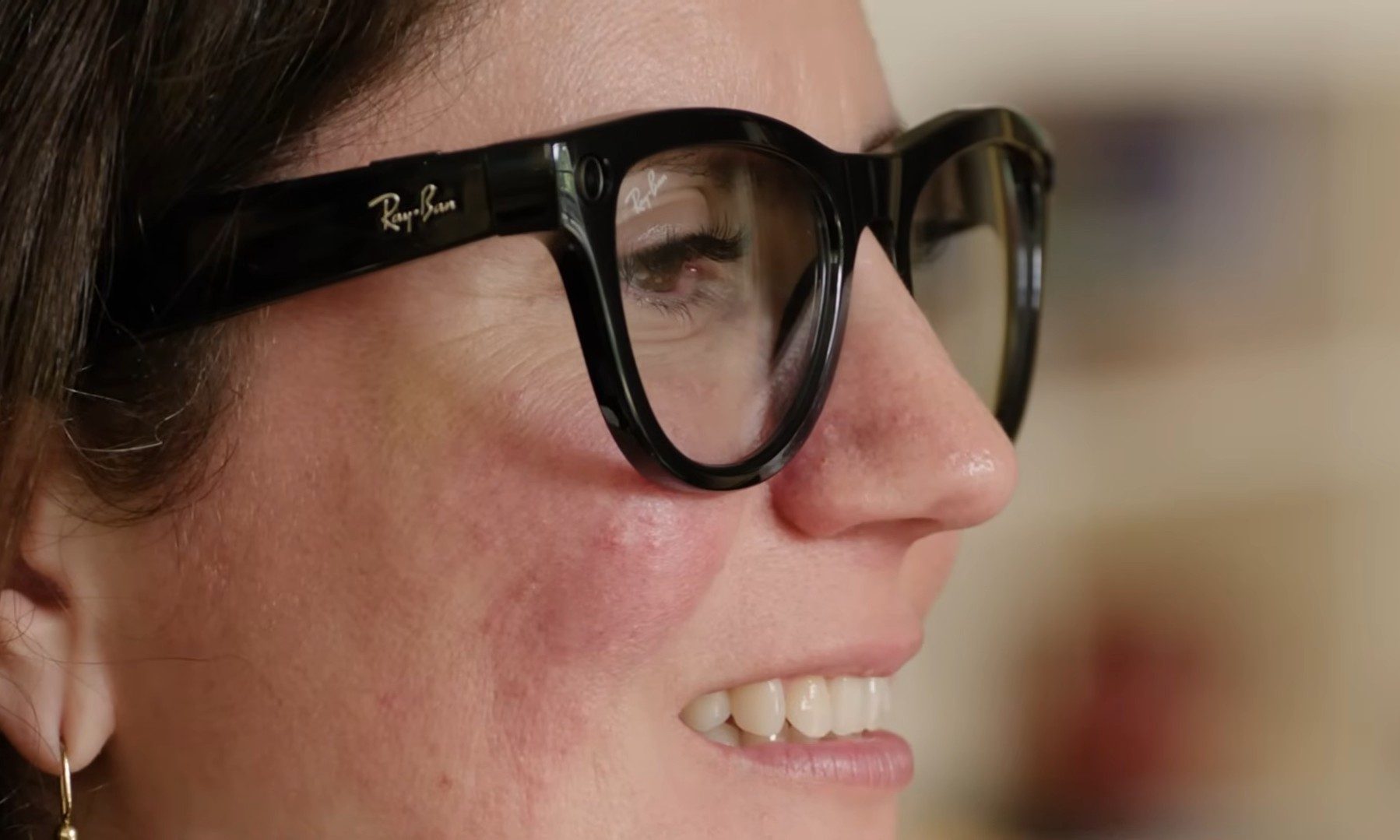
Some things your glasses already do, such as handling calls or texts, can happen locally. Features involving streaming transcription, contextual search, long-term memory, or much larger AI models require considerably more computing power. Private Processing sends those workloads into confidential virtual machines, or CVMs, running inside Trusted Execution Environments. Hardware encrypts the memory being used by those machines, meaning Meta’s operating systems, administrators, and infrastructure can’t inspect what is being processed.
The company is also trying to stop requests from being tied back to individual users. The glasses use anonymous credentials before connecting through third-party relays operated by companies such as Fastly or Cloudflare. Its devices even check that the server is running approved software against a publicly witnessed ledger before sending personal context as well. So if the verification process fails, the connection fails with it.
For information the AI needs to remember across sessions, Meta claims that data remains encrypted and can only be opened inside the protected environment using a user-provided key.
But is it really private, or is this just a promise?

For all the technical detail Meta has shared, Private Processing isn’t currently available on its AI glasses. Meta engineering director Pritam Shah told Wired that the underlying platform is working, but the company is announcing it early so security researchers, privacy experts, and third-party auditors can scrutinize it first. At the moment, Meta hasn’t given a launch date or confirmed which glasses features will use it.
But it does plan to expand its bug bounty program to cover the system and will give researchers access to binaries and documentation for independent auditing. The Meta Ray-Ban smart glasses have already faced privacy backlash, including the discovery earlier this year of unreleased NameTag facial-recognition code inside the Meta AI app. The company has since removed that code after it was reported publicly.
Even then, Private Processing doesn’t solve every privacy question surrounding cameras worn on people’s faces. Even if it gives more privacy to the user itself, AI glasses have become infamous for making the people around them feel uncomfortable.


