  1. Home
  2. Audio / Video
  3. News

This utterly simple fix can make buffering less frustrating while streaming videos online

A study shows how minor playback adjustments can reduce video buffering

Add as a preferred source on Google
video-buffering-solution
Amateur Hub / Pexels

Buffering might be the most annoying part of streaming, but a new study suggests the fix could be surprisingly simple.

Rather than stopping your video to buffer, streaming platforms could slow it down slightly so it plays smoothly instead of getting stuck, and you may not even notice.

Recommended Videos

Researchers from Lancaster University have found that viewers prefer minor playback speed changes over interruptions. When your video pauses to load, it is because the player has run out of data. Slowing playback gives it more time to catch up, avoiding that abrupt pause altogether.

Can slowing down the video actually feel better than buffering?

The research found that slight drops in video quality are often less noticeable than buffering. Combining small quality and speed adjustments could reduce interruptions even further.

The study found a sweet spot, where dropping the playback speed to 90% speed is barely noticeable. In many cases, even 80% speed went unnoticed, depending on the content. However, dialing it down to 70% starts to feel distracting.

Viewers were also comfortable with playback speeds up to 30% faster. This helps live streams, like sports events, stay close to real-time by adjusting speed to manage latency.

This also prevents sudden jumps that can make you miss key moments like goals, especially in live matches.

How this could change your viewing experience on streaming platforms

The findings come from multiple studies involving over 200 participants and hundreds of test clips across genres like sports, drama, and gaming. The goal was to understand what actually bothers viewers the most.

The answer is clear. You would rather watch a slightly altered video than deal with constant pauses due to buffering.

This could change how streaming platforms are designed. Instead of freezing playback, future players could quietly adjust speed and quality in the background to keep things smooth.

Similarly, studies have also shown that when apps load too fast or too slow, it can feel like a longer wait, and a moderate pace can actually make the loading experience feel quicker.

If adopted widely, this approach could finally make buffering feel like a problem of the past, or at least something you barely notice anymore.

Manisha Priyadarshini
Manisha Priyadarshini is a tech and entertainment writer with over nine years of editorial experience.
Apple TV might finally be able to hear without the Siri Remote playing the middleman
Apple TV could finally hear you without making you grab the remote
Apple-TV-4K

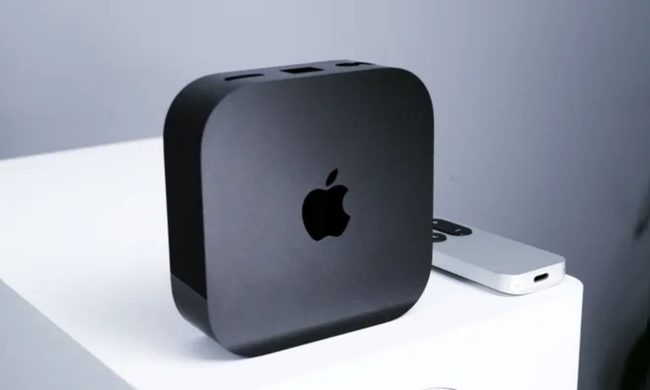
Apple is reportedly preparing its first Apple TV 4K hardware refresh in years, and the upgrade could address two everyday annoyances: having to speak into the Siri Remote to control the device and struggling to find the remote between sofa cushions.

According to Bloomberg’s Mark Gurman, Apple has tested two additions for the next Apple TV 4K: built-in microphones for hands-free Siri commands and a redesigned Siri Remote with a built-in speaker. The features are part of Apple’s broader smart home push, which is expected to be unveiled on October 13 alongside the new HomeView smart display and an updated HomePod mini.

Read more
Google is giving its TV box ears, better hardware, and a new bag of tricks
Google’s next TV Streamer could listen to you without making you find the remote
google tv streamer

Google is reportedly developing a new Google TV Streamer, and this time, the biggest upgrades could be about making your television more useful without reaching for the remote every few minutes. The upcoming device is expected to add built-in microphones for hands-free Google Assistant commands, presence sensing, a faster processor, and more storage.

According to a report by 9to5Google, the next-generation streamer will retain the current model’s familiar design, although its body will be slightly narrower. There is no confirmed launch date or pricing yet, so anyone waiting for an upgrade will have to hold on a little longer.

Read more
Galaxy Studio could be Samsung’s biggest audio comeback in 11 years
Samsung has spent 11 years away from over-ear headphones. Galaxy Studio may end the drought
Samsung Level Over inside white

Samsung has spent more than a decade making Galaxy earbuds, but its audio lineup had a very clear gap. The company doesn't make any proper pair of over-the-ear headphones. Though this hole might be filled soon.

Android developer and leaker @evowizz says Samsung’s upcoming over-ear headphones could launch as Galaxy Studio. The name carries a little more weight than your average leak because Samsung filed a US trademark application for GALAXY STUDIO on September 14, specifically covering headphones, headsets, and earbuds.

Read more