
  1. Home
  2. Smart Home
  3. Emerging Tech
  4. News

Put a cork in it: Tiny, minimal cork home is kind to the eye and environment

Add as a preferred source on Google

Every seven to 10 years, groups of men head out to with axes hand to harvest cork from oak trees. And although the trees are stripped clean, none of them are harmed in the process. In fact, in Portugal, where roughly 50 percent of the world’s cork comes from, it’s illegal to cut down a cork oak prematurely.

Recommended Videos

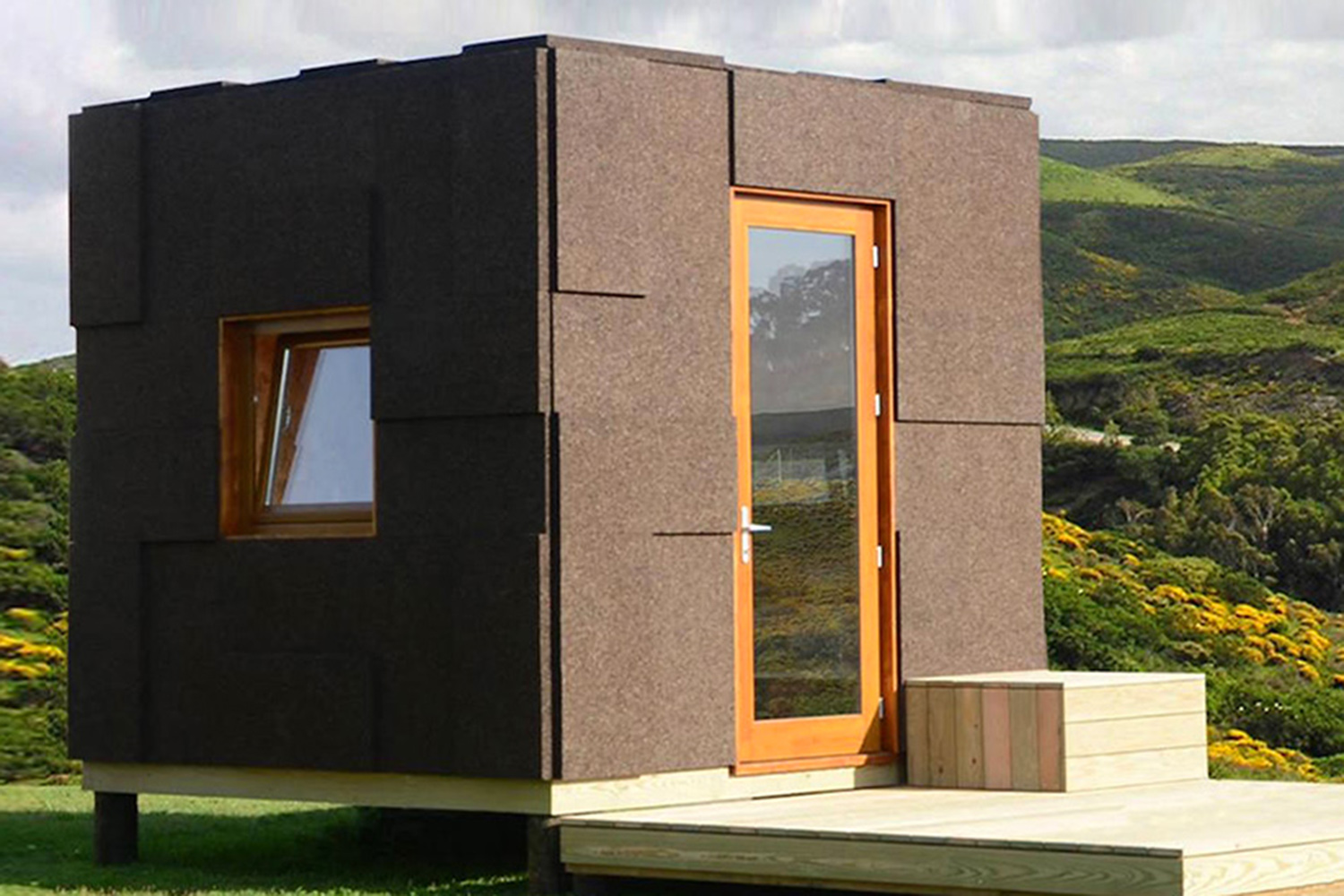
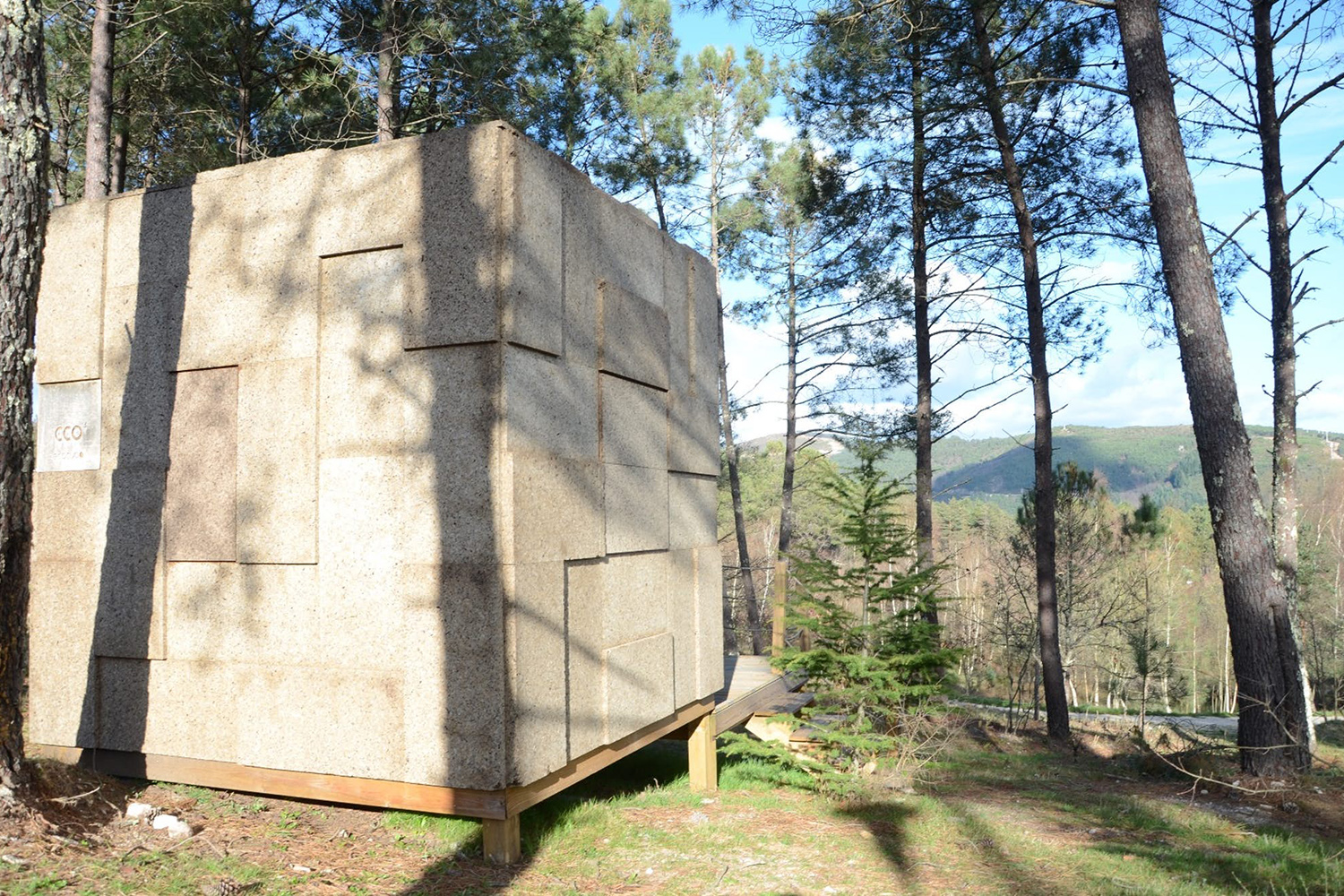
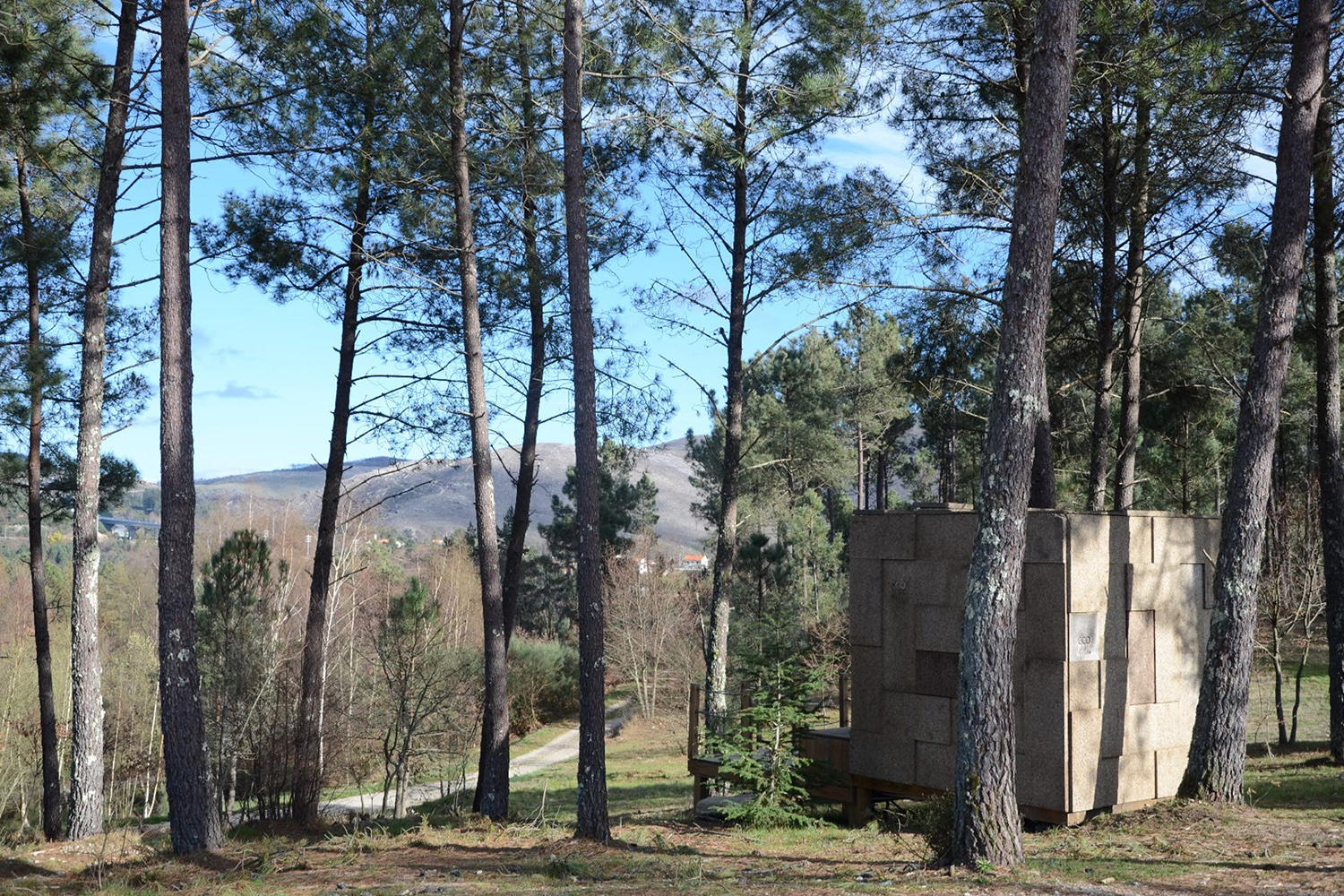
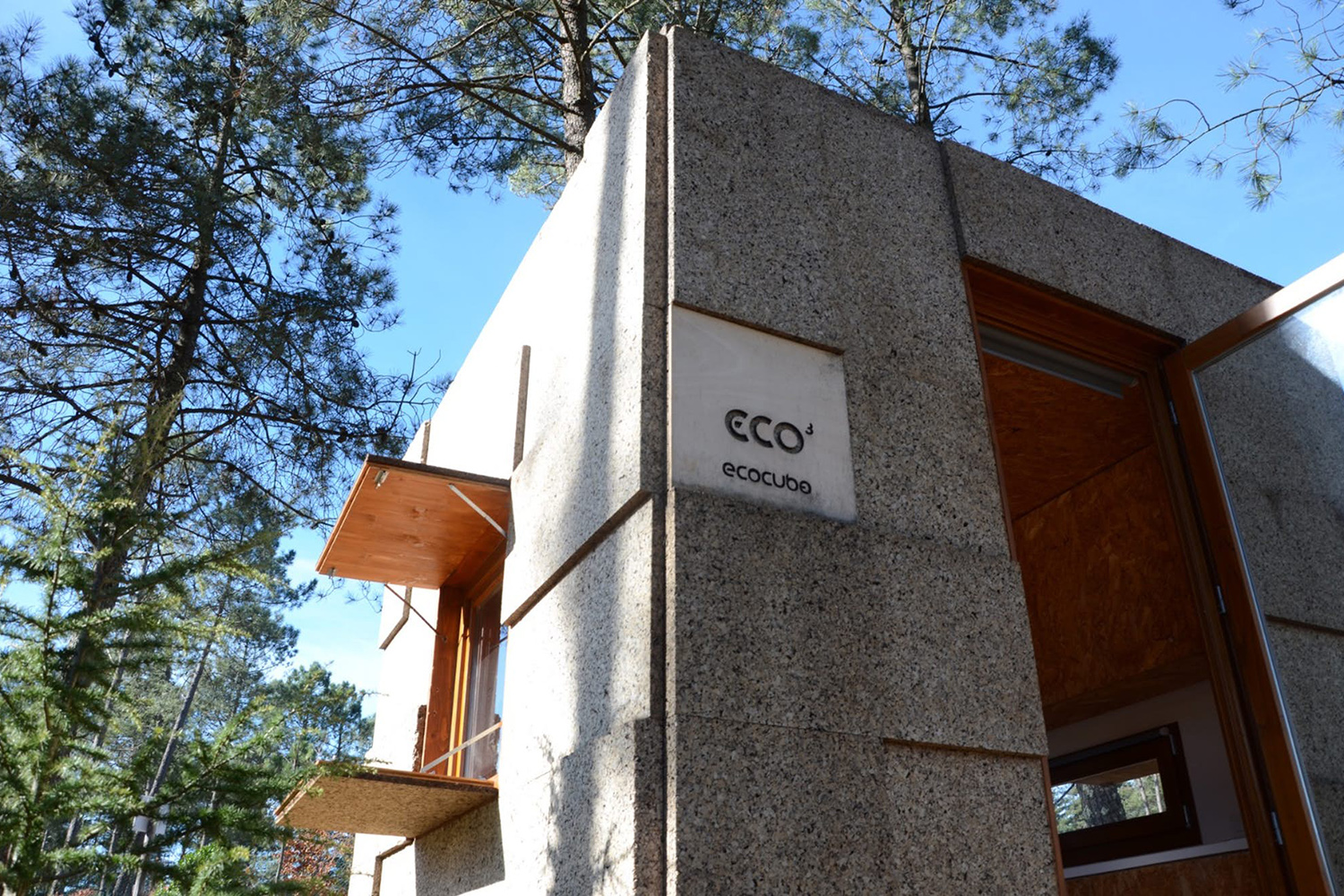
Due to its ability to regenerate, cork has proved to be a very sustainable material. And, with Portugal’s leading role in cork production, it makes sense that a Portuguese startup has designed the Ecocubo, a small, minimalist, portable home made of cork and wood.

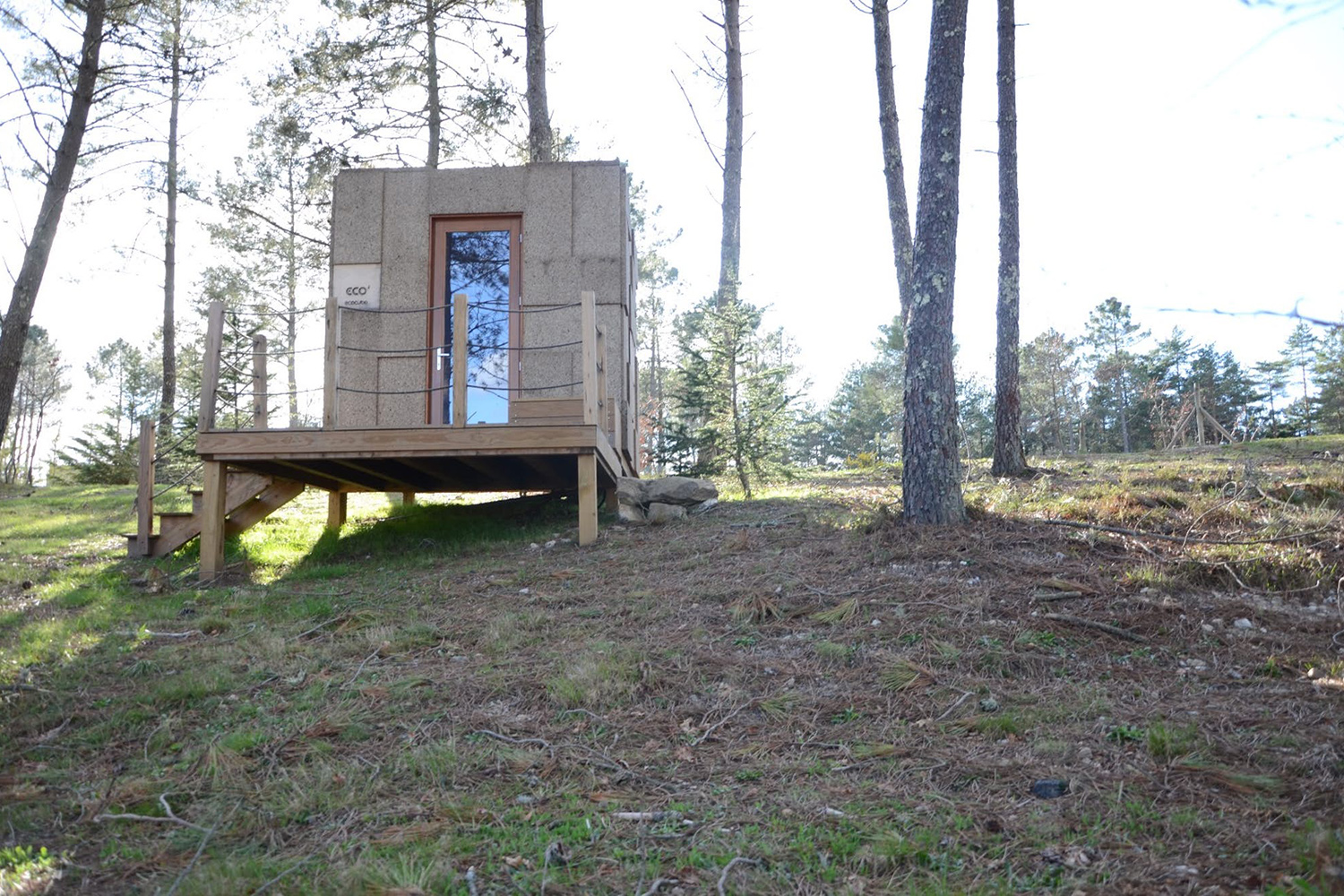
Taking up just about 97 square feet, the Ecocubo is designed to be both environmentally friendly and inconspicuous among its surroundings. The Ecocubo is positioned on stilts for minimal impact to the landscape. A small deck out front lets residents survey their environment.

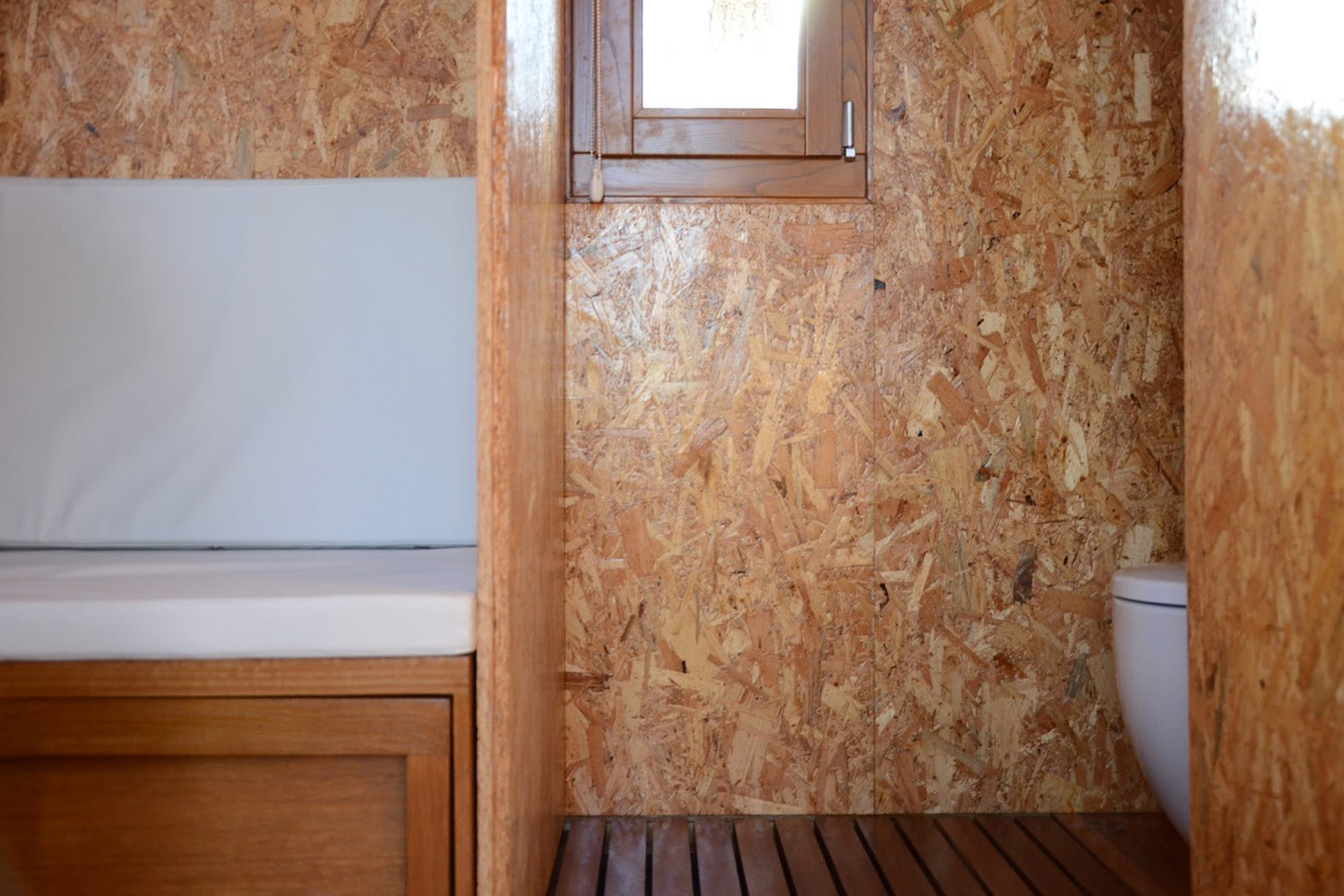
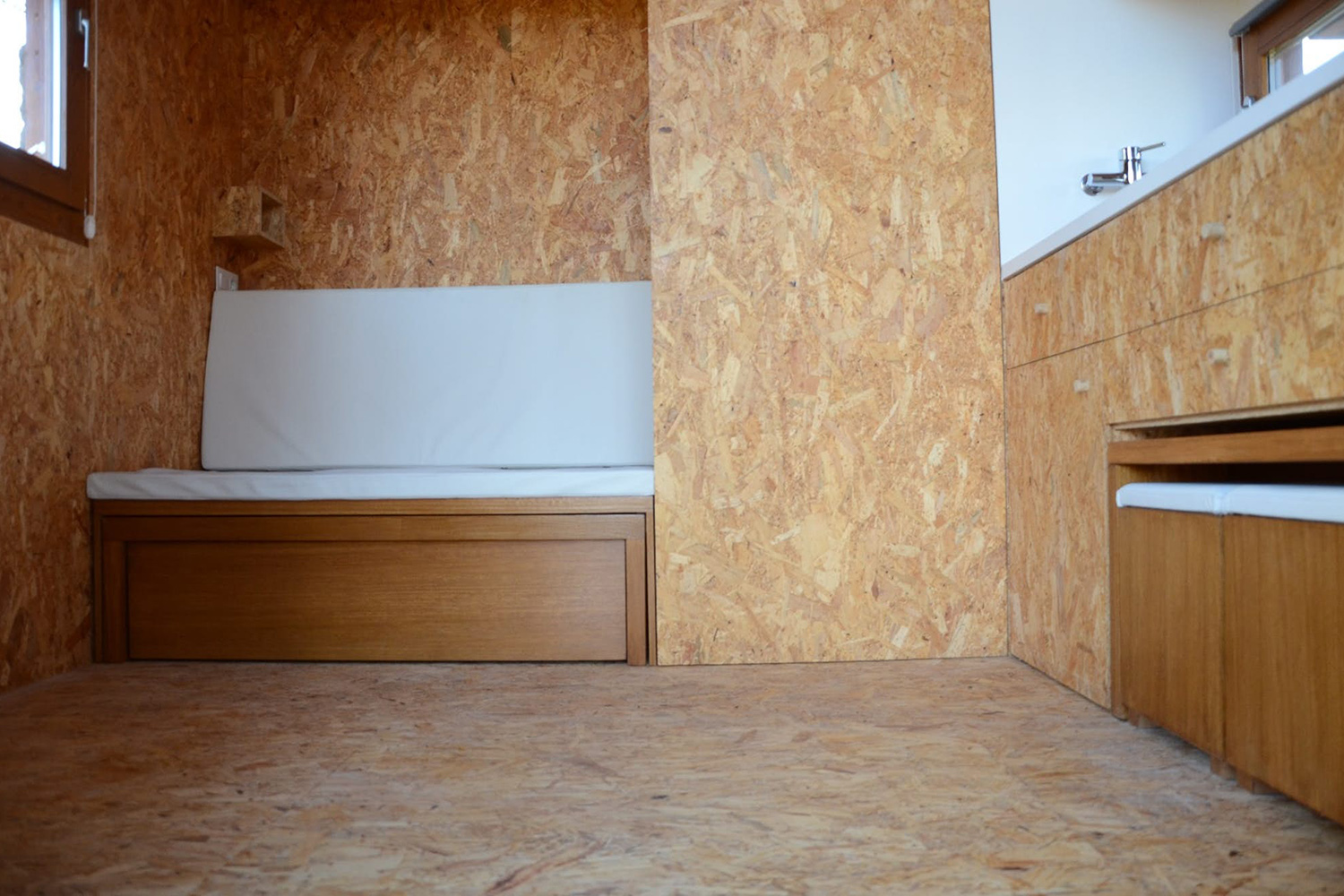
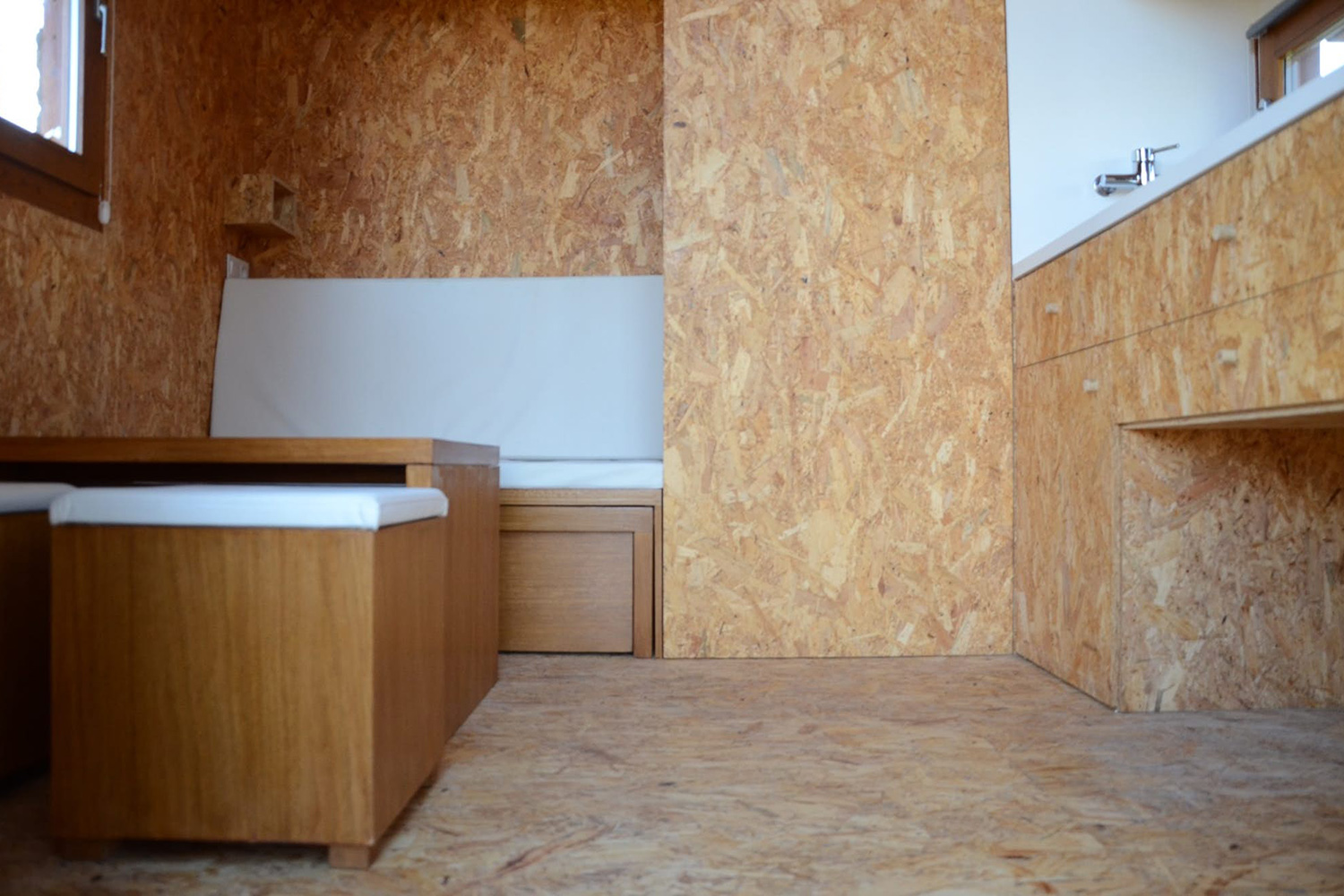
The quarters are tight inside, with one bed that folds into a couch, a kitchenette, a small table, and two stools. It won’t comfortably accommodate more than a few people and, unless you literally live for the outdoors, you probably wouldn’t want to call the Ecocubo your permanent residence. But it makes for a cozy short-term accommodation.

Cork has a number of benefits beyond its sustainability. It’s light, impermeable, and fire retardant. It’s soft to the touch and to the eyes, allowing it to blend well into nature.

It takes about two weeks to construct an Ecocubo and, although not yet available for private sale, the startup behind the homes and its designer — António Fernandes — have plans to sell them internationally for between $11,700 and $17,550, according to New Atlas.

Meanwhile, if cork and the outdoors aren’t your style, tiny houses come in all shapes, sizes, and materials. There’s the brick house in San Fransisco renovated from a laundry boiler room or the cement blocks and clay house in Thailand.

Dyllan Furness
Former Contributor
Dyllan Furness is a freelance writer from Florida. He covers strange science and emerging tech for Digital Trends, focusing…
Why Your Next Outdoor Security Camera Might Need Three Lenses
EZVIZ Puts Triple-Lens Outdoor Security in the Spotlight at IFA 2026
camera, security camera

Monitoring a home often means watching several things at once. Just as a car pulls into the driveway, a visitor might approach the front gate, or movement could catch your eye in the side garden. For many European homes, this is a familiar scenario.

The challenge becomes even more noticeable when a property includes a backyard, detached garage, or swimming pool. Installing another camera for every angle is one solution, but it also means more devices to set up, manage, and maintain.

Read more
I played with Yarbo’s yard robot at IFA, and now I want one for every season
One tracked robot, a new job for every season
Yarbo M-series Featured 2

I’ll admit, I wasn’t expecting a yard robot to be one of the more entertaining things I’d get my hands on at IFA 2026. Then I walked over to Yarbo’s booth and started playing around with the M Series.

The basic idea is wonderfully simple: instead of buying a different robot for every outdoor chore, Yarbo gives you one tracked robotic Core and a collection of attachments. Swap the module, and suddenly your robot has a completely different job. Mowing? Yep. Snow? Yep. Leaves? Yep. And there’s even a trimmer module on the way.

Read more
WindGroove’s AirFi One imagines a smarter home with fewer devices
The future of smart homes may not be more devices, but better-designed experiences
Architecture, Building, Furniture

The future of smart homes may not be more devices, but better-designed experiences

Minimalism has reshaped almost every corner of the modern home. Kitchens hide appliances behind seamless cabinetry, televisions have become slimmer and more discreet, and storage is increasingly designed to disappear into the architecture. The goal isn’t simply to own better things. It’s to create spaces that feel calmer, cleaner, and more intentional. Smart home technology, however, has largely moved in the opposite direction. Every upgrade seems to introduce another speaker, another controller, another light, or another connected device competing for space and attention.

Read more