Now that the connected home movement is in full swing and the race to smarten up everything in your house has reached a fever pitch, manufacturers are starting to think outside the walls of your house. More and more, the Internet of things is moving beyond interior fixtures and branching out to connect the exterior of your home as well.
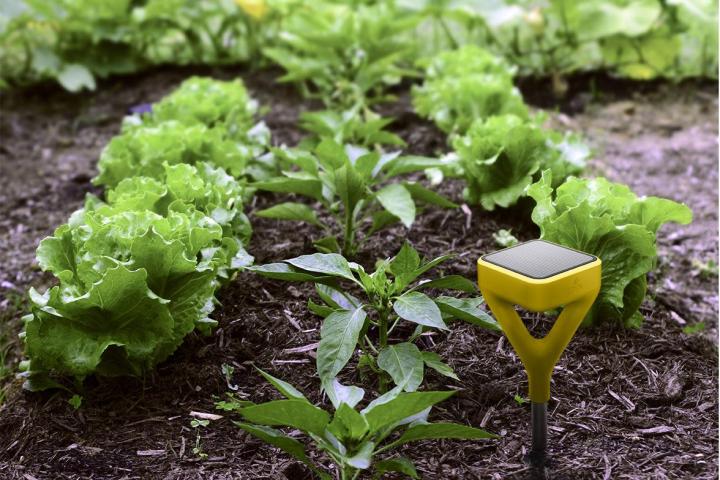
Case in point: the Edyn connected garden sensor, which just went live on Kickstarter earlier today. The device (previously known as Soil IQ) has been in development for a couple years at this point, and is finally ready for large-scale production.
To be sure, Edyn certianly isn’t the first smart garden sensor to hit the market. These kinds of devices have existed for years now, but even so, this one is arguably one of the most advanced iterations of the idea that we’ve ever seen.
Much like other garden sensors that came before it, Edyn is capable of measuring things like light, humidity, temperature, soil nutrition, and moisture. It can also cross-reference this information with plant, soil science, and weather databases to recommend specific plants that will thrive in your particular garden. These features are pretty much par for the course for products in this category, but Edyn also boasts a number of features that you wont find anywhere else.
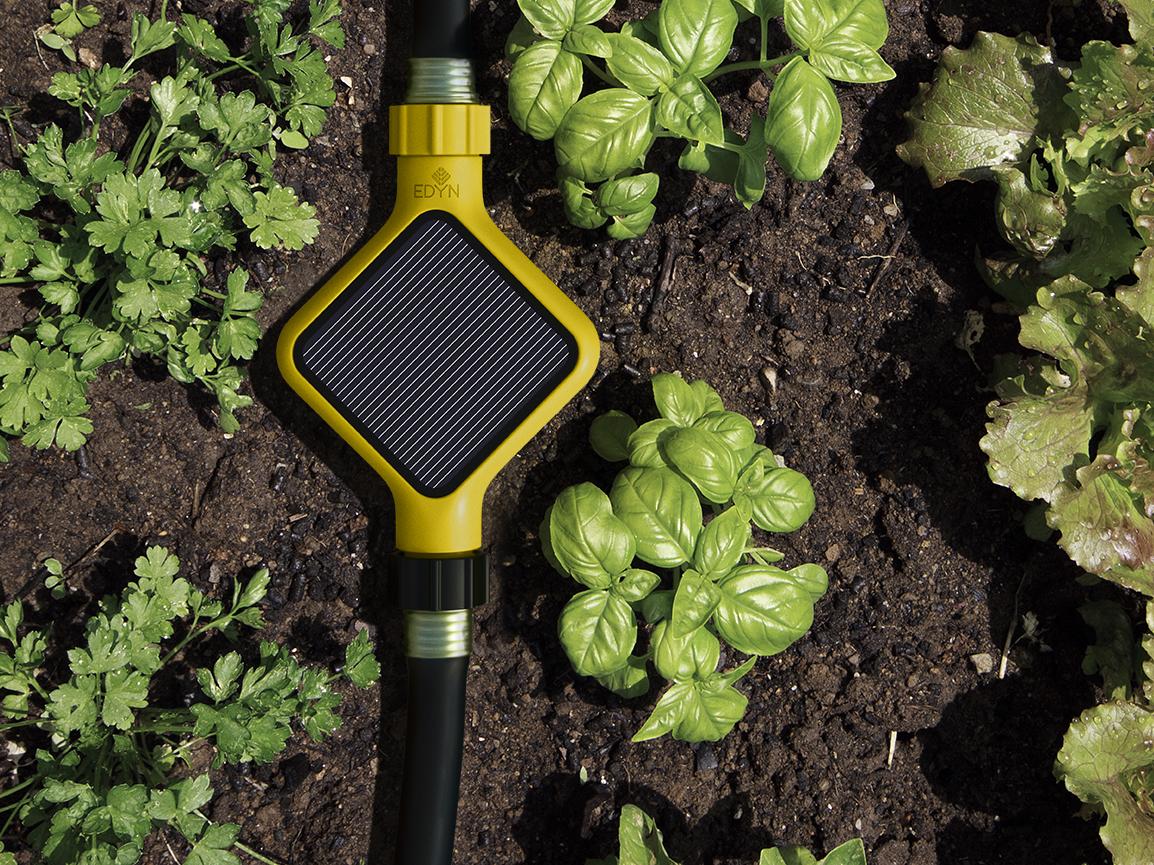 First and foremost, it’s solar powered. Most other garden sensors are battery powered, which means that they only take soil/moisture/temp/etc. readings periodically in order to preserve battery life for as long as possible. Conversely, since Edyn has a unlimited power supply, it’s capable of taking environmental readings constantly, which ultimately translates into better analytics and a healthier garden.
Second of all, Edyn can connect to your home WiFi network, which makes it drastically easier to use. Generally speaking, other garden sensors can connect to your phone or computer, but typically rely on bluetooth to do so — and in some cases even require a hardwired connection to download/interpret the collected sensor data. Edyn streamlines this process, and makes accessing real-time garden stats as easy as firing up an app.
Finally, the last thing that sets this device apart from others in its category is the addition of an accompanying smart water valve. Link this thing up to your sprinkler or drip-hose system, and Edyn can turn the water on or off automatically. Thanks to the soil sensor, it knows exactly how much water your plants need, and because the device can tap into localized weather information on the web, it can also determine the best time to water. If a storm is appraoching, it might hold off on watering to save you some money. The idea here is that it gives your plants precisely what they need — nothing more, nothing less — so they always have optimal growing conditions.
If you back the project now on Kickstarter, you can lock down an Edyn sensor for around $99.
Editors' Recommendations
- How to convert your window blinds into smart blinds
- HelloFresh free trial: Can you get your first box for free?
- The Skylight Cal Max is a 27-inch smart calendar that might replace your smart display
- Pawport brings security (and smarts) to your existing pet door
- Kohler reveals luxurious smart home products that turn your bathroom into a spa