
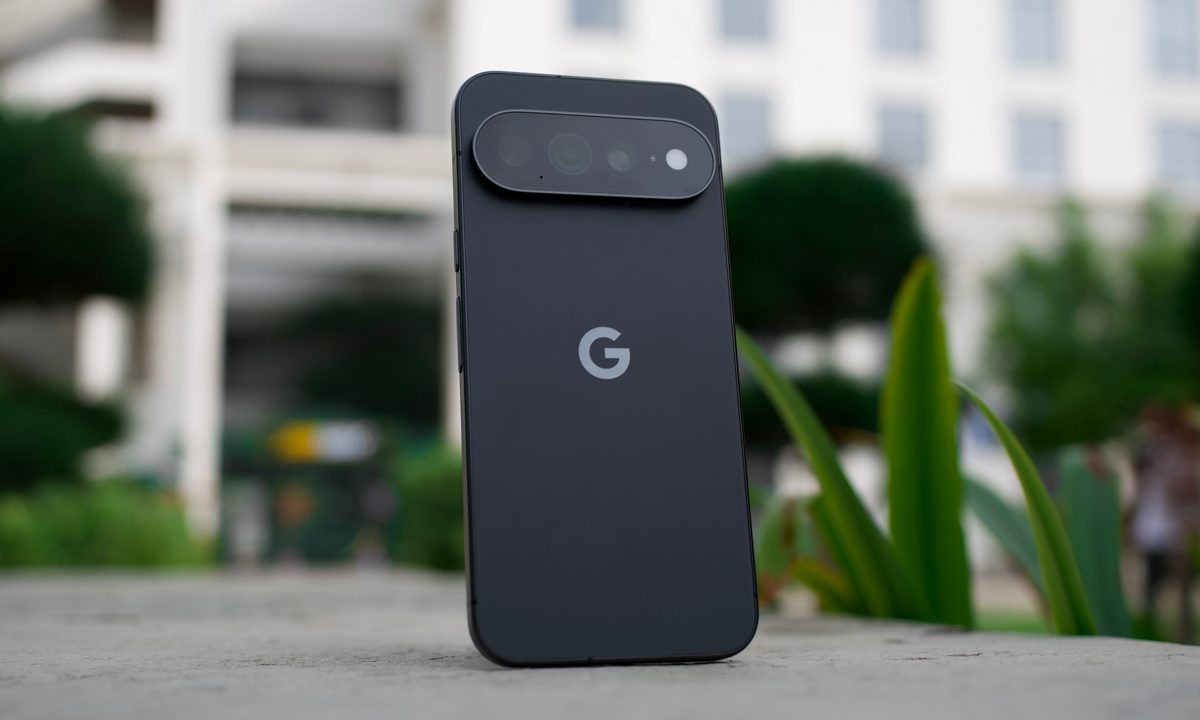
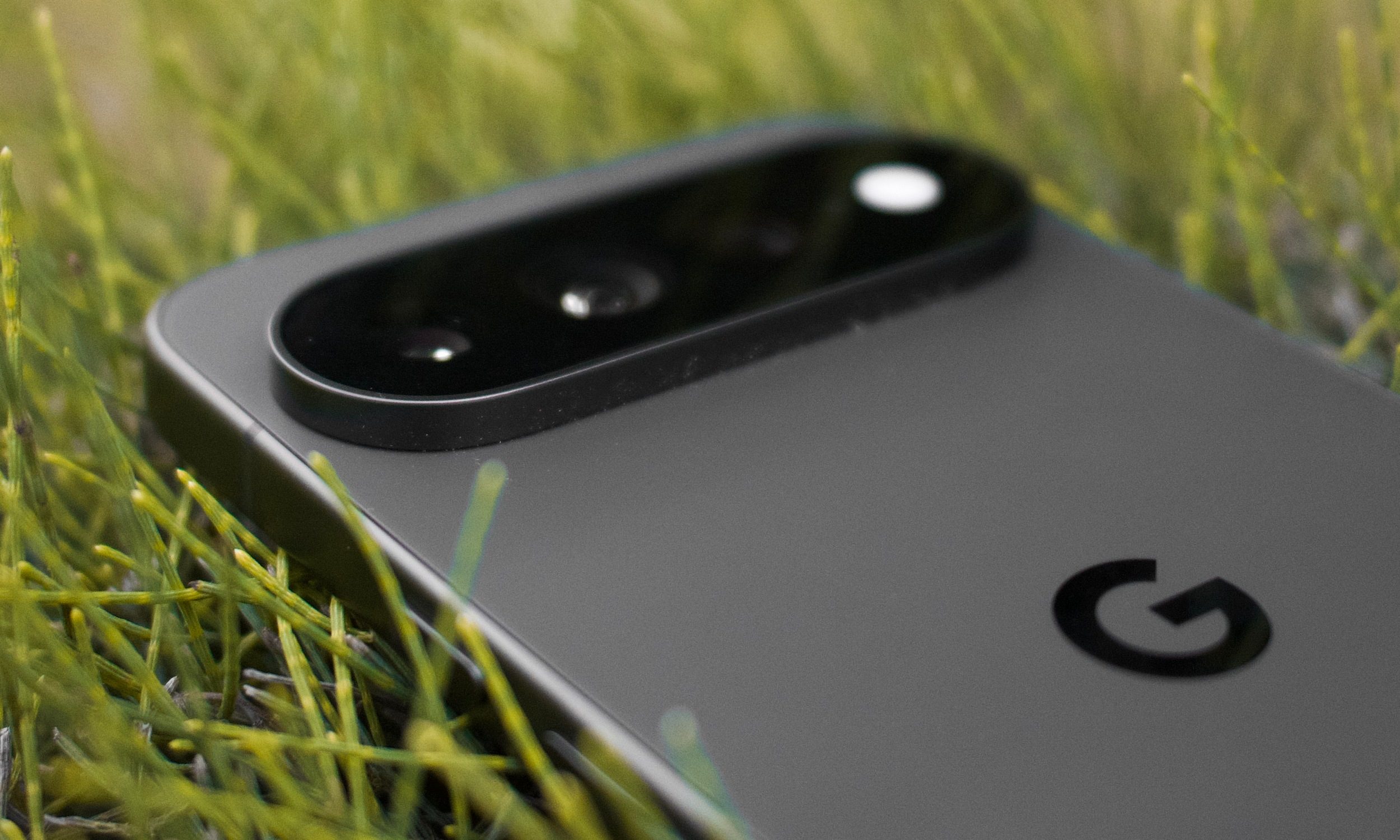
I like the Google Pixel 11 Pro quite a bit. The company made some meaningful camera improvements this year. Night Sight captures considerably faster, Camera Looks give me far more control over the Pixel aesthetic, and features such as Magic Capture have already proved useful.
But at a starting price of $1,099, you’ve got plenty of options in and around that price range. The Pixel is now fighting for its spot against Apple’s latest Pro iPhone, Samsung’s newest clamshell, and some cheaper phones that cover most of the same everyday needs. So depending on your use, there might be better options out there.
| Phone | Starting price | Why consider it instead |
|---|---|---|
| iPhone 18 Pro | $1,199 | Performance, video, variable-aperture camera |
| iPhone 17 | $799 | Excellent value and battery life |
| Galaxy S26 | $899 | Compact Android flagship with richer customization |
| Galaxy Z Flip 8 | $1,199.99 | Premium clamshell with flagship performance |
| Motorola Razr 2026 | $799.99 | More affordable foldable with a useful cover screen |
Apple iPhone 18 Pro
If you’re already spending $1,099, another $100 puts the iPhone 18 Pro within reach. With a little extra money, Apple’s new A20 Pro, a 48MP main camera with a physical variable aperture, all-48MP rear cameras, much stronger sustained performance, faster charging, and video capabilities that still make it one of the easiest picks for creators.
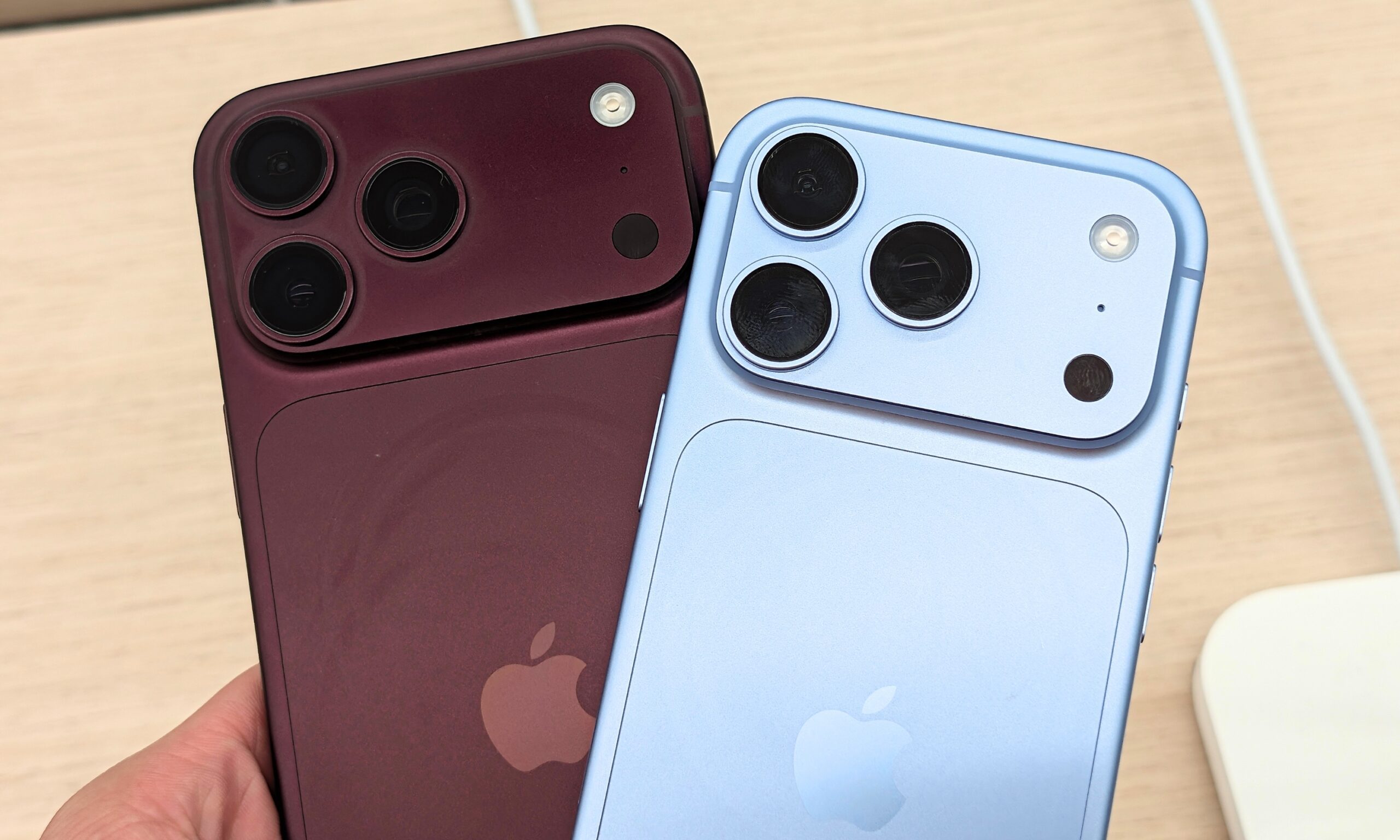
Apple lets the main camera shift between f/1.48, f/1.8, f/2.8, and f/4, while new Pro controls expose aperture, shutter speed, white balance, and a histogram directly inside the Camera app. The A20 Pro and next-generation vapor chamber are another advantage for gaming or heavy workloads, which is great considering how much faster Apple’s custom chips are compared to Google’s Tensor chips.
I’d still lean toward the Pixel if computational photography, Gemini integration, and Google’s increasingly distinctive Camera Looks matter more to you. The iPhone 18 Pro is the alternative for someone who wants sheer performance, serious video tools, or who’s already locked into Apple’s ecosystem.
Apple iPhone 17
The iPhone 17 presents another great alternative. Our review called it the best iPhone for most people, and it’s easy to understand why. You still get a 6.3-inch 120Hz ProMotion display, the A19 chip, and a 48MP main and ultrawide camera system. Apple adds MagSafe, fast charging, and excellent battery life, which rounds out the entire package.
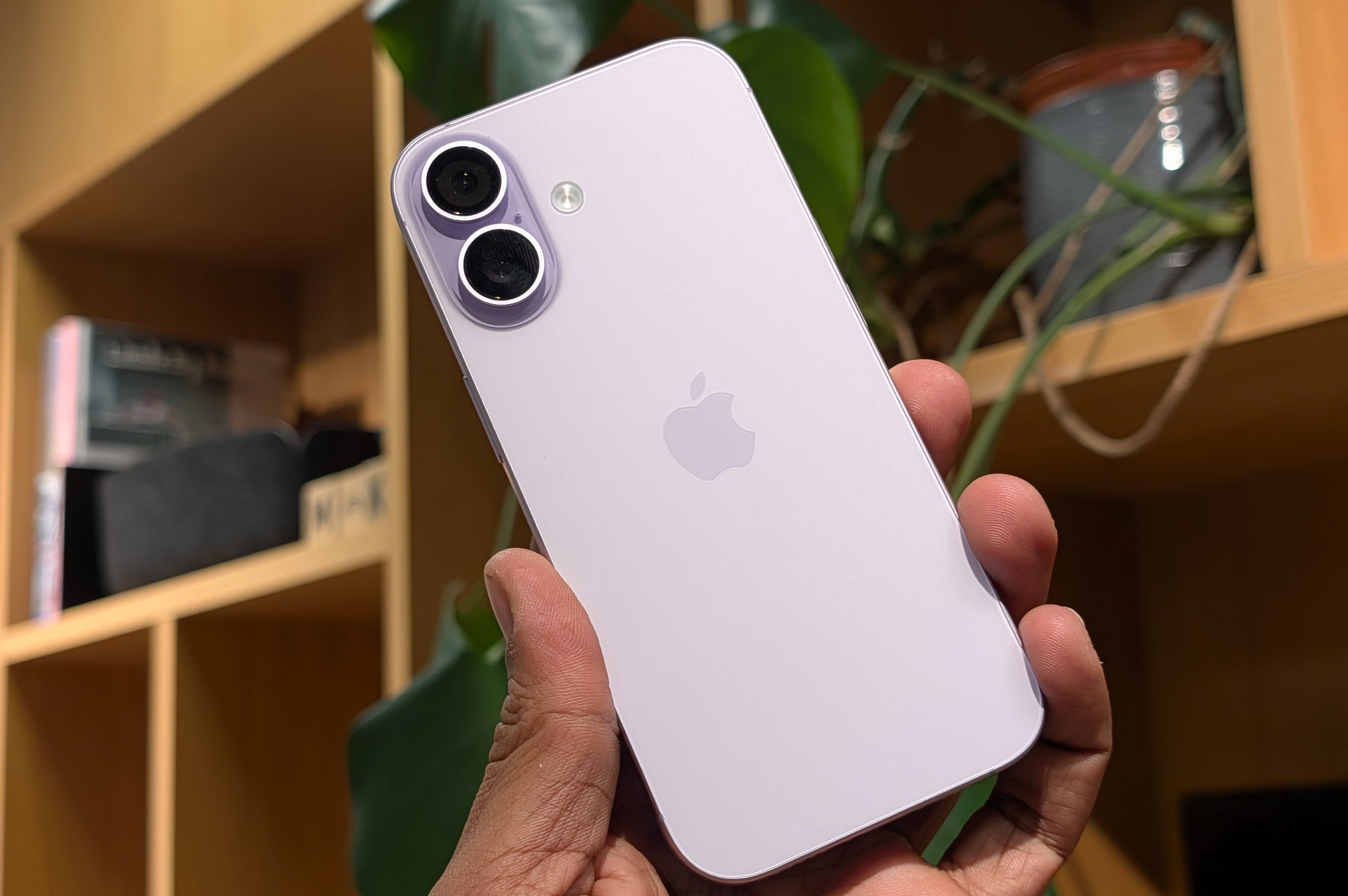
This time around, the company didn’t reserve its new Siri AI experience for the Pro Models. The iPhone 17 supports personal-context searches, actions across apps, and other interactions with Apple’s current intelligence suite. You do lose out on zoom photography, as it lacks a dedicated telephoto shooter. But outside of this, you still get a very competent and balanced starting flagship experience. This iPhone is just the right pick for most Apple users.
Samsung Galaxy S26
I spent about a month with the Galaxy S26, and Samsung’s smaller flagships have always had a soft corner in my heart. The 6.3-inch S26 weighs only 167 grams, yet it still gives you flagship performance, a dedicated 3x telephoto, a 120Hz AMOLED display, and seven years of software support.

My Exynos 2600 review unit handled everyday use superbly and could keep Zenless Zone Zero close to 60fps while pushing PUBG Mobile beyond 110fps in its highest frame-rate mode. Software is arguably one of its biggest advantages over the Pixel for Android users that wants more freedom. One UI 8.5 (now One UI 9) is packed with customization through Good Lock, Samsung’s excellent Modes and Routines system, Edge Panels, and DeX. Google’s vision of the Android experience has its fair share of fans, but Samsung gives you options along with more personality.
I found the 4,300mAh battery merely respectable; 25W charging remains painfully slow, and Samsung is still relying on camera hardware that desperately needs an update. At $899, however, you’re saving $200 over the Pixel 11 Pro. It becomes a great option for those looking for a compact flagship just like the iPhone 17.
Samsung Galaxy Z Flip 8
Spend another $100, and you can buy something that folds in half. The Galaxy Z Flip 8 starts at $1,199.99 and gives you a 6.9-inch inner screen alongside a 4.1-inch FlexWindow. Samsung has also made it its lightest and thinnest Flip yet, at 180 grams and 6.1mm when open.
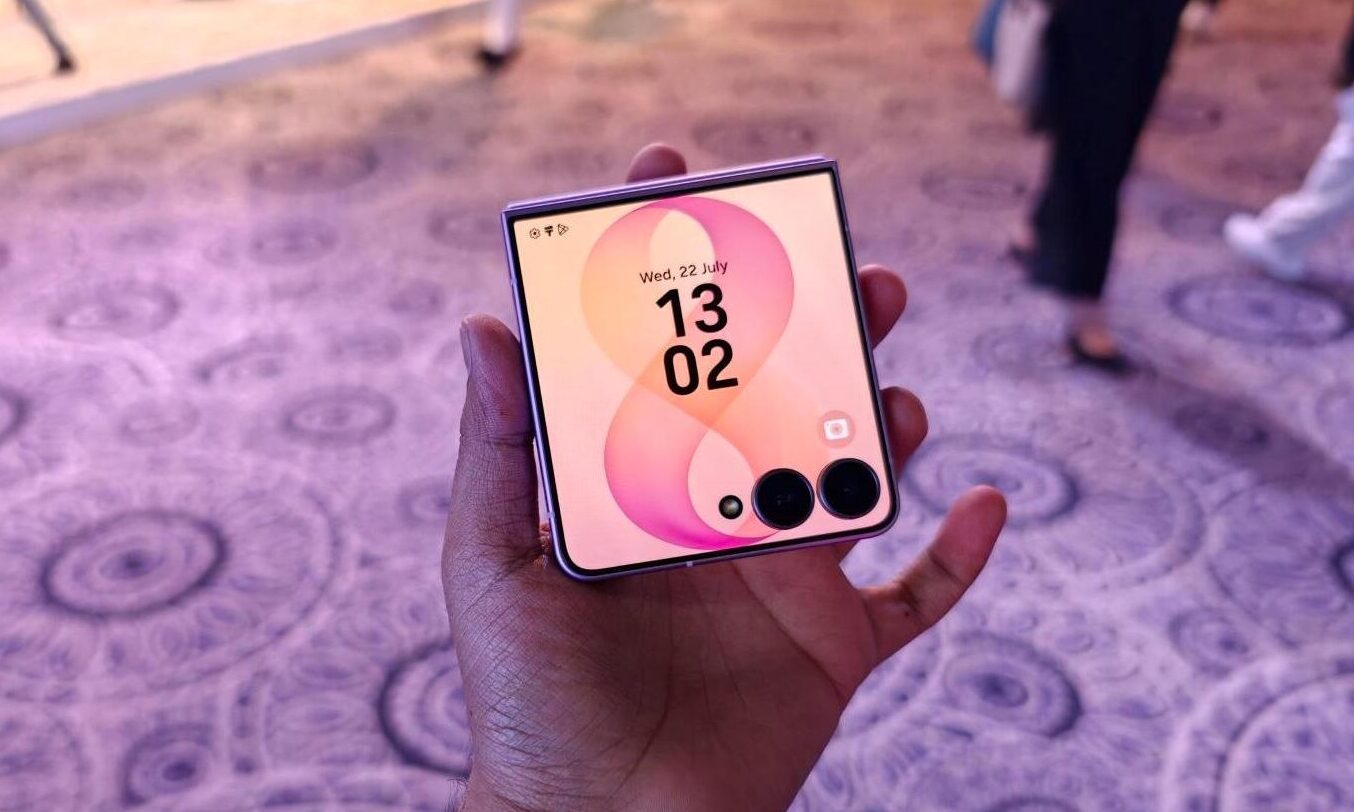
The company has really worked on the cover screen this generation, which now supports 16 apps natively on the FlexWindow. This opens the door for plenty of quick interactions without ever opening the phone. Performance isn’t being sacrificed for the hinge either. The US version gets Snapdragon 8 Elite Gen 5 for Galaxy, 12GB of RAM, and a 4,300mAh battery that Samsung rates for up to 31 hours of video playback.
You lose the Pixel’s excellent 5x telephoto, and Samsung hasn’t meaningfully upgraded the Flip’s 50MP main plus 12MP ultrawide camera setup this generation. Charging is somehow worse than the Pixel 11 Pro, with 25W wired support and no magnetic charging support either. But none of these is a focus for those looking for a flip phone. You’re essentially spending Pixel 11 Pro money to get a completely different experience. One where you get the benefit of a large screen mixed in with a compact experience.
Motorola Razr 2026
You don’t actually need to spend $1,200 to get that experience. The regular Motorola Razr 2026 costs $799.99, making it the cheapest phone on this list alongside the iPhone 17. It still gives you a 6.9-inch 120Hz folding OLED alongside a 3.6-inch cover display that can run full apps, respond to messages, and handle notifications without constantly opening the phone.

Motorola also squeezed in a 4,800mAh battery, larger than the Galaxy Z Flip 8’s 4,300mAh cell, with 30W wired and 15W wireless charging. You get a 50MP main camera, a 50MP ultrawide, and MIL-STD-810H durability certification as well. This might seem like a no-brainer till, though there are good reasons why it costs $400 less than Samsung’s premium flip.
The Dimensity 7450X is much closer to midrange silicon than a flagship Snapdragon, and Motorola promises only three Android OS upgrades and five years of security updates. Google’s seven-year commitment is far stronger if you’re planning to keep your phone for a long time. Even then, it is one of the more interesting and approachable alternatives if you don’t want to spend over a thousand dollars.
The Pixel 11 Pro still serves a purpose
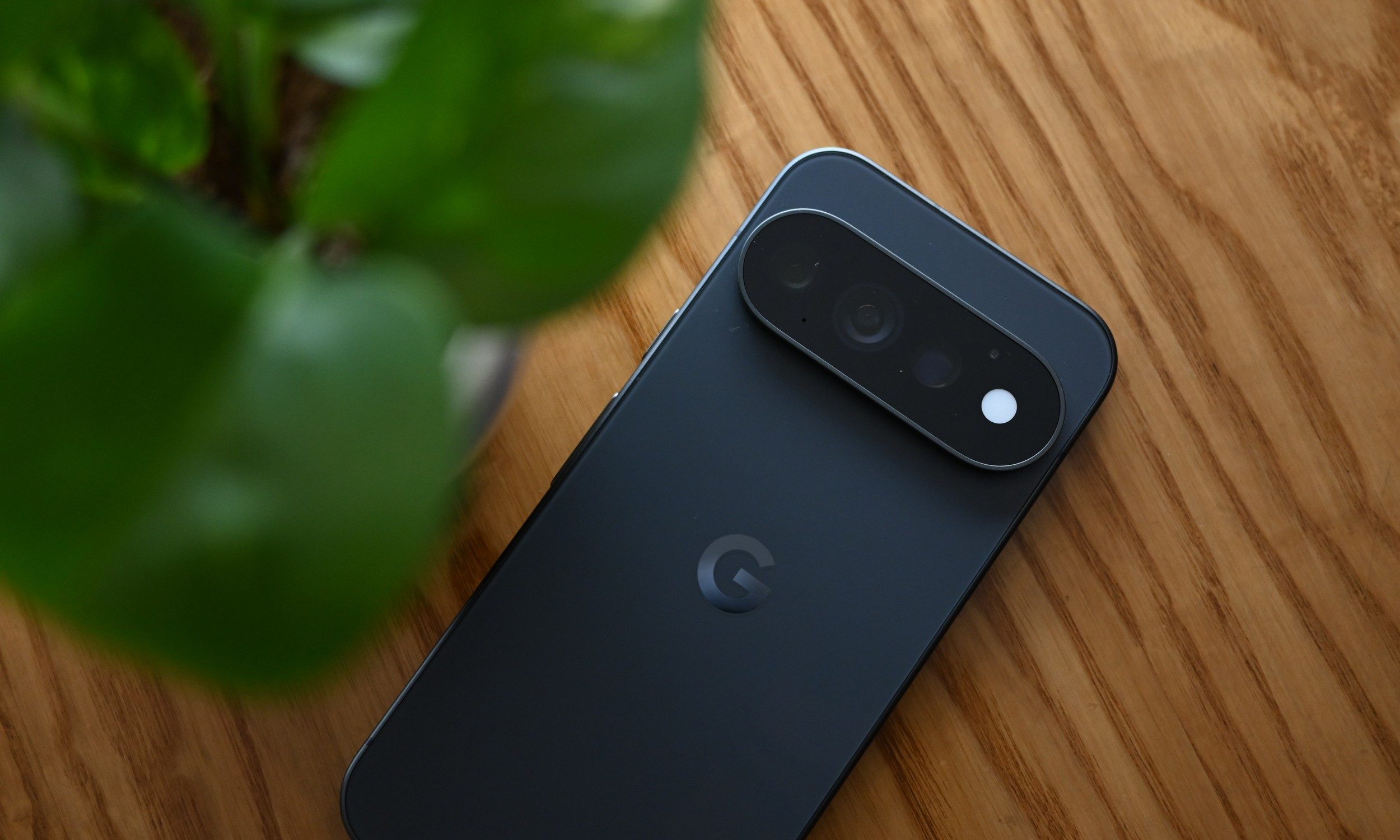
None of these makes the Pixel 11 Pro a poor purchase. Google has one of the most interesting camera experiences on any current phone, and Tensor G6 is being used for plenty of nifty AI features as well. Faster Night Sight, Magic Capture, Camera Looks, and HiLight are all great additions to the Pixel.
For $1,199, the iPhone 18 Pro gives you more brute force and better tools for serious video. Meanwhile, the iPhone 17 delivers most of what an average buyer actually needs. The Galaxy S26 is a cheaper compact Android flagship with far more customization, while Samsung and Motorola can put an actual hinge in your pocket around the same budget. Still, the Pixel 11 Pro is an easy phone to like. It runs smoothly, feels absolutely premium, and gets much of the software right.


