  1. Home
  2. Phones
  3. News

A military radar-cloaking film could be the unlikely fix for one of the biggest foldable phone problems

Bricks, mortar, and a fix for foldable phone durability anxiety.

Add as a preferred source on Google
Electronics, Phone, Mobile Phone
Nadeem Sarwar / Digital Trends
galaxy unpacked 2025
This story is part of our Samsung Galaxy Unpacked 2026 coverage

South Korean researchers have built a hair-thin film originally meant to cloak military hardware from radar. Turns out the same material could quietly fix one of the biggest weak points in a specific category of smartphones.

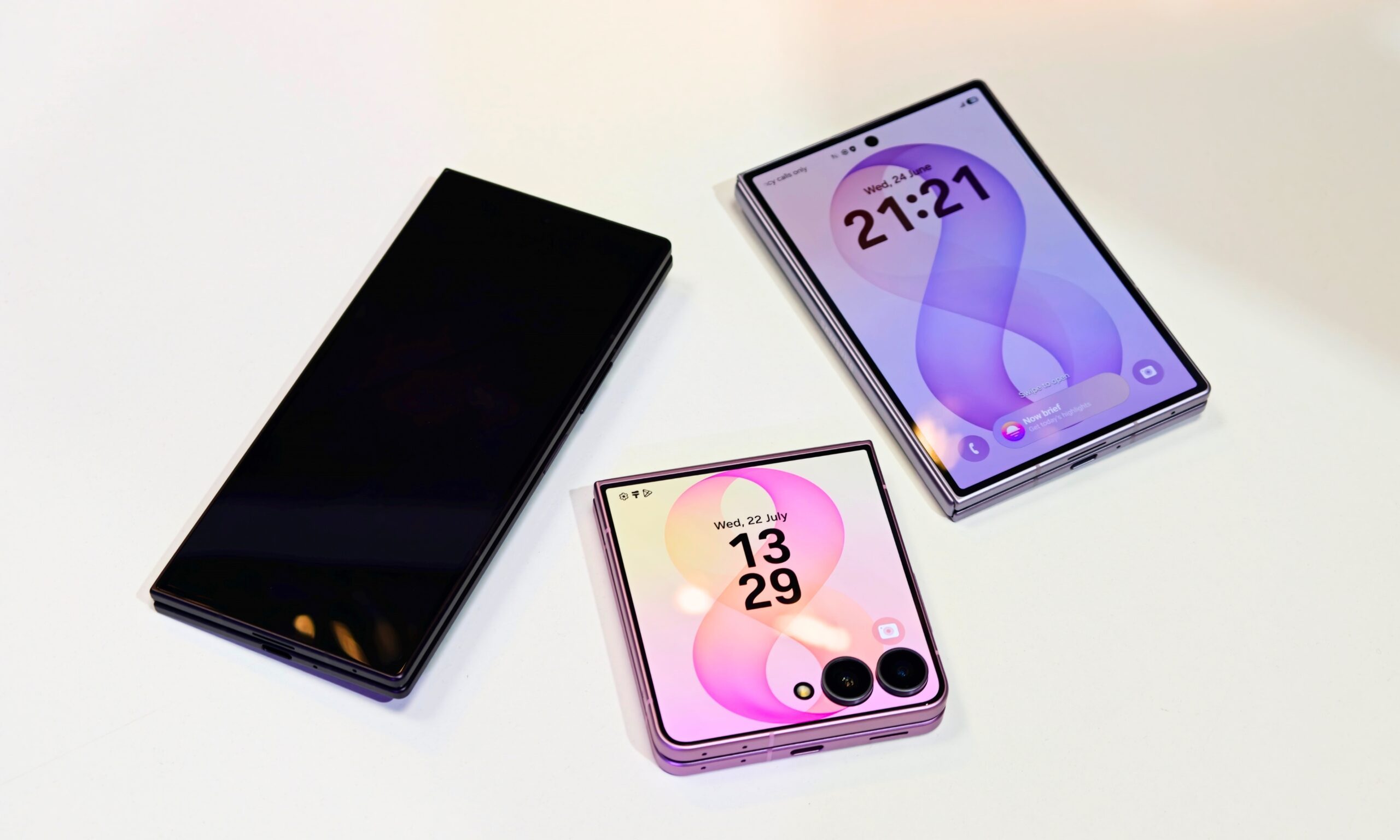
While I’ll admit that sounds like an unusual use for military technology, its incredibly thin, flexible, and tough nature makes it a surprisingly good fit for foldable phones (a product category that’s already getting all the commercial heat), especially around the hinge.
So how does this wonder film actually work?

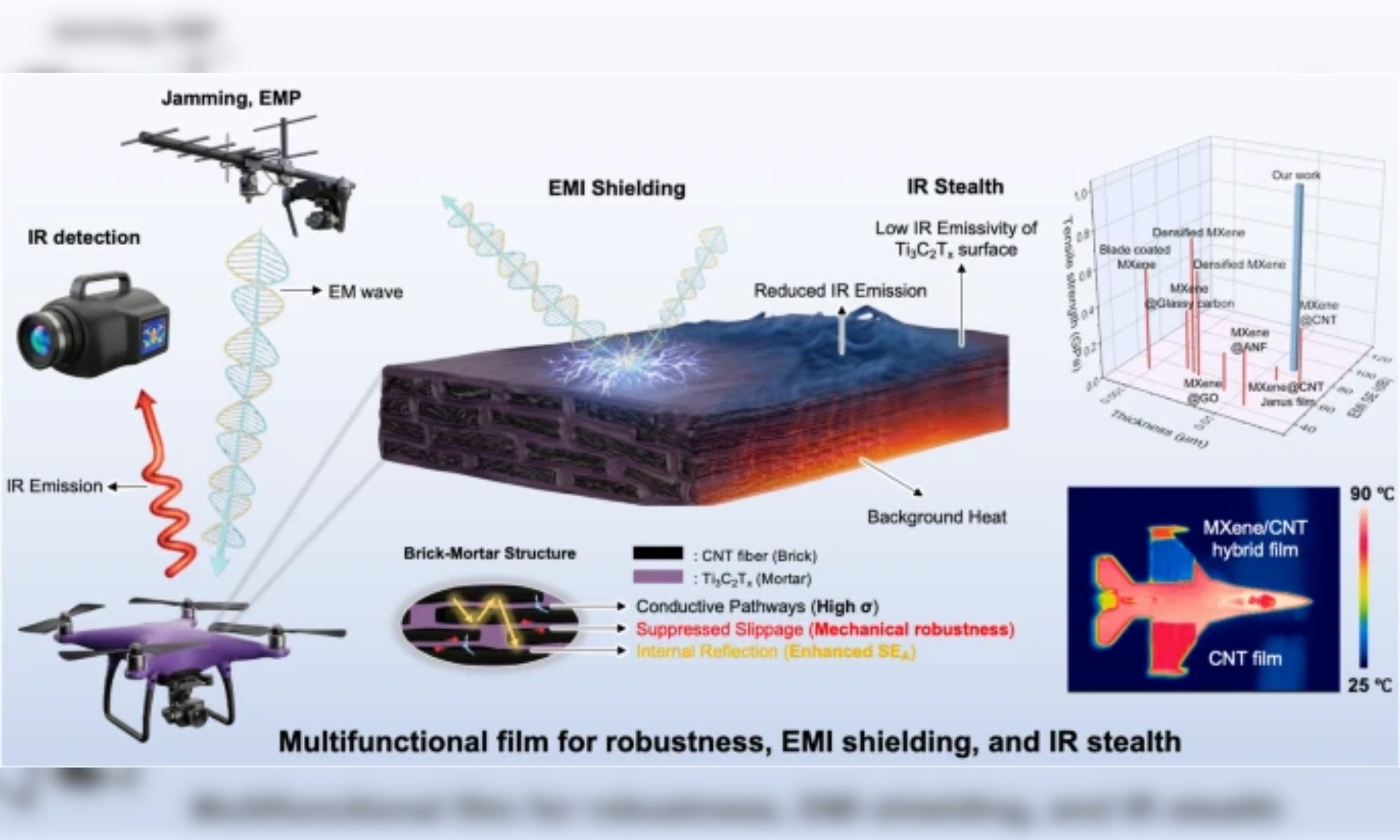
Researchers at Korea’s KIMS and KIST have fused carbon nanotube (CNT) fibers with MXene (an inorganic compound), effectively stacking them like bricks and mortar.

Recommended Videos

The nanotube fibers act as the bricks, while MXene fills the gaps like conductive cement. This keeps the layers from slipping and gives electricity a continuous path through the film. At just 17.5 micrometers thick, roughly a fifth the width of a human hair, the film still reaches a tensile strength of 1.02 gigapascals, which is comparable to high-strength steel.

What’s worth mentioning is that it blocks more than 99.9999999% of incoming electromagnetic waves, with a shielding score of up to 90 decibels. And that’s not all. Despite its incredible thinness, the film keeps working even after repeated bending and exposure to heat and humidity.
What does this mean for your next foldable?

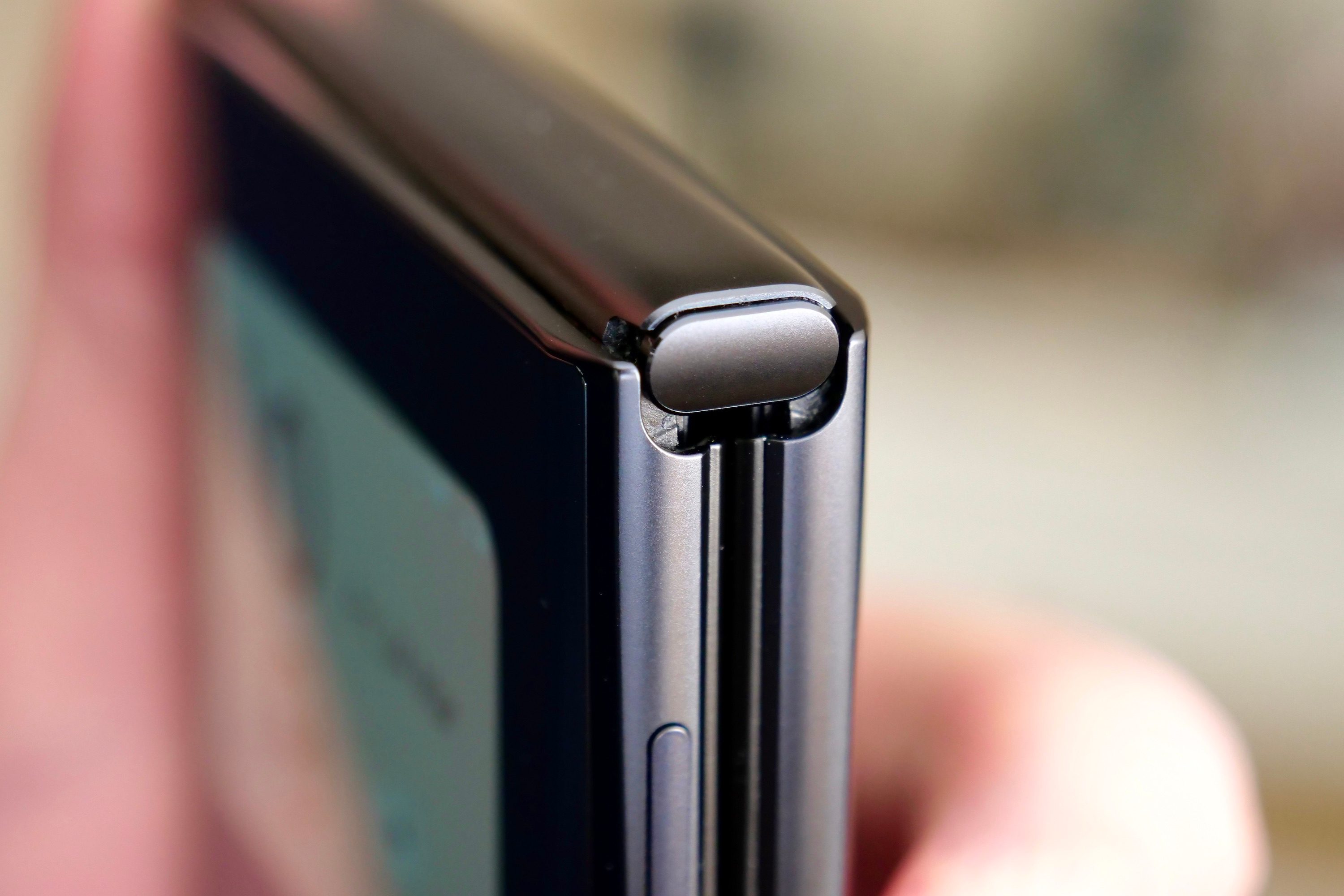
Now, it’s important to understand that foldables still rely on bulky, rigid metal components to shield the hinge. However, that metal can crack or peel after enough folds, potentially leaving the electronics inside more vulnerable.

That’s where the ultra-thin, impressively strong carbon film comes in. A film this thin and durable could shield hinge circuitry and ribbon cables without adding stiffness or compromising the phone’s overall strength. In other words, the material could lead to fewer crease failures and slimmer foldable phones down the road.

The same trick could calm cross-talk inside crowded 5G and 6G hardware. When multiple antennas and other components sit close together, their electromagnetic signals can interfere with each other. This super-thin film could act as a thin yet effective barrier between them.
While the research team finalizes core patents, two technology transfer agreements are already underway to bring the foundational CNT fiber production process to commercial manufacturing partners. 

If successfully scaled, this micro-thin shield could soon quietly redefine the durability standards of both defense systems and the foldable devices in our pockets.

Shikhar Mehrotra
For more than five years, Shikhar has consistently simplified developments in the field of consumer tech and presented them…
Google is bringing Android earthquake alerts to more than 200 regions
Google’s earthquake warning network is expanding again after reaching one billion alerts worldwide.
1 billion Google earthquake alerts sent

Google is expanding the Android Earthquake Alerts System to more than 200 countries and regions, up from 98 previously. The company says the system has already sent more than one billion earthquake alerts since it began rolling out.

The latest expansion includes places such as Panama and Guatemala. Google is also changing the alerts themselves, adding more information for people who may only have a few seconds to react before shaking begins.

Read more
Red Magic 12 Pro+ gaming phone launches with Snapdragon 8 Elite Extreme Gen 6, 185Hz display, and a gigantic battery
Global buyers will get the same phone under the Red Magic 12 Pro name.
Red Magic 12 Pro+ gaming smartphone

Red Magic has launched the Red Magic 12 Pro+ in China, bringing another round of hardware upgrades to its gaming phone lineup. The new model gets a faster display, a massive 8,400mAh battery, and an updated cooling system that now adds RGB lighting to the liquid-cooling hardware.

Buyers outside China will get the phone under a different name. Red Magic says the device will launch globally as the Red Magic 12 Pro, with pricing, regional configurations, and availability details coming on November 3. The global model may also differ from the China version in some specifications.

Read more
China is officially getting Apple Intelligence. Siri AI still has to wait outside
Apple Intelligence is heading to China at last, just without Apple’s biggest AI upgrade
Electronics, Phone, Mobile Phone

After two years of waiting, Apple Intelligence has finally secured the Chinese Visa. Apple executive chairman Tim Cook told Chinese outlet The Paper that Apple has approved Apple Intelligence in China, with a test version scheduled for later in October. The first batch will include Live Translation, Writing Tools, and the Photos Clean Up feature, while the company’s newer Siri AI assistant will not be included.

We knew it was coming, but we finally have an official timeline

Read more