Samsung’s recent press release got me more excited about its forthcoming phones than I have been in a long time: we could see the Galaxy Z Fold 7 Ultra appearing in a month or so, and it could bring to a close my 20-year odyssey for a good foldable device.
The USamsung’s latest teaser hinted strongly at a new foldable phone that would add another chapter to the world of flexible handsets: finally upping the cost.
That’s what is very likely to happen if the Samsung Galaxy Z Fold 7 Ultra appears in the near future, as the brand has strongly hinted at by asking us to ‘Meet the Next Chapter of Ultra’.
Now, don’t get me wrong, I think the Galaxy Z Fold series is already too pricey. We’re talking over $2,000 for a smartphone at a time when budgets are tight, so I’m not saying that bendy phones are in any way affordable.
But it’s worth it if the Z Fold 7 Ultra frees the brand from the glacial evolution of its recent foldable devices, and brings the high-end performance of the S25 Ultra to the Z Fold range.
Waiting to unfold
I’ll admit, my use of foldable phones has been pretty limited, but only because they were so expensive. I know that sounds like I’m arguing against my point here, but the issue was that they were costly and, well, not very good.
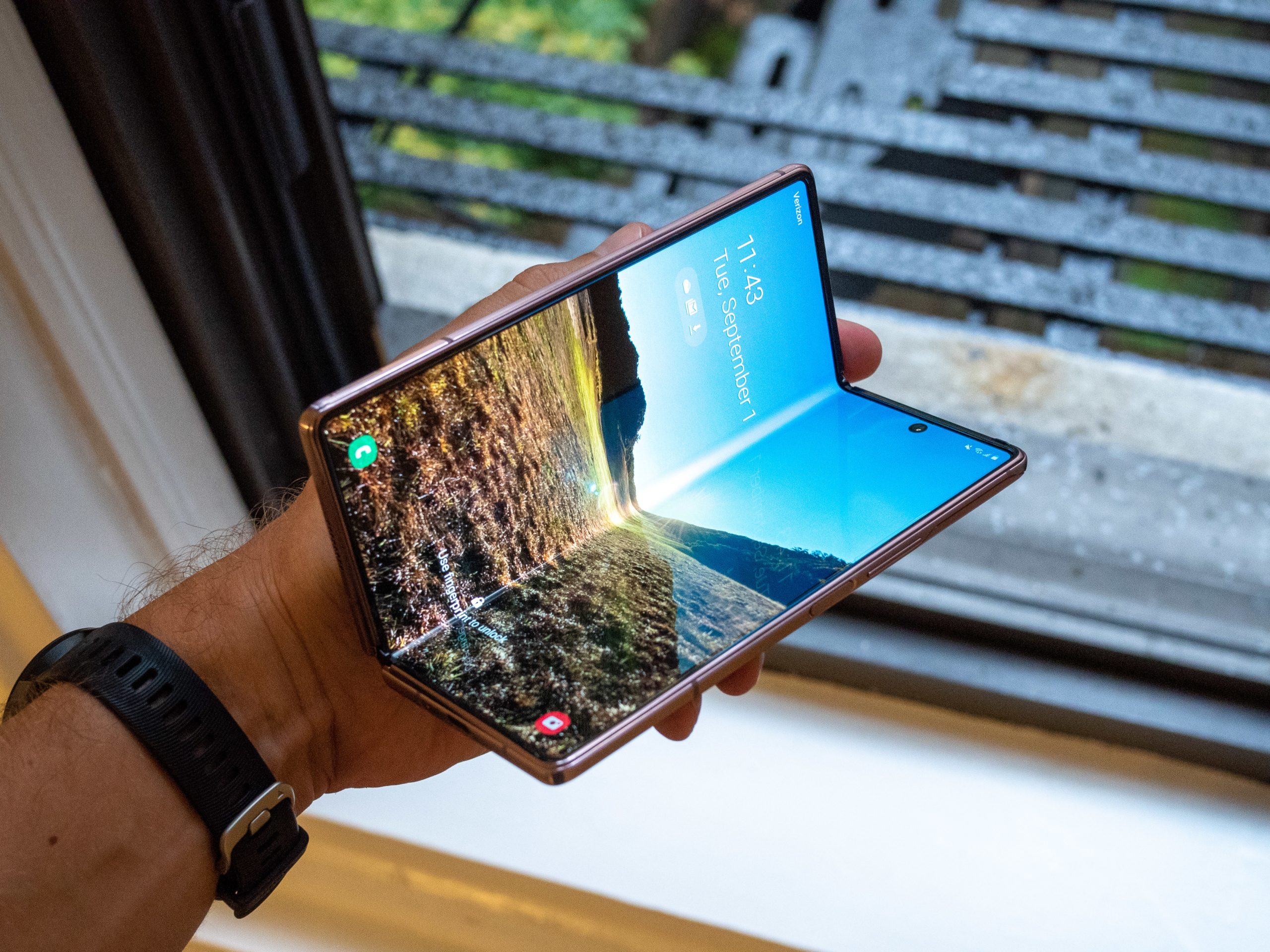
I used the Samsung Galaxy Z Fold 2 for a while, and while I loved the larger screen (as anyone would), all I can remember is the heft of the thing in the pocket, the huge crease down the middle and the overall lack of sparkle that it offered.
It was a true early adopter’s device, and Samsung hasn’t really shed that feeling with its phones since.
I’ve been covering foldable devices since the early 2000s, when they were just rollable e-ink displays that promised to set the world alight – but never managing it.
I gawped at LG’s ‘rollable paper’ display at CES in 2016, as that’s what we should be having now. A rollable tablet that can act as a futuristic newspaper – and yet we’re still not living that future.
The Galaxy Z Fold 7 Ultra could be one of the the first mainstream, useful foldable devices – it’s been rumored that the Z Fold 7 will show off a a crease-less display ever since Samsung Display, the screen manufacturing arm of the South Korean tech giant, showed one at MWC this year.
That would solve a big barrier for me not wanting to adopt this technology, and while I’d have to sell a kidney… or three… to afford it, I’d be open to that discussion.
What might Ultra mean?
A quick scoot around the forums shows that there’s so much desire for an upgraded Galaxy Fold to emerge this year, and it’s widely expected Samsung will need to do something pretty drastic to keep up with the competition. By bringing out this Ultra model alongside a more ‘standard’ Galaxy Z Fold 7, it would be able to attack more segments of the consumer base.
The brand is behind the curve in the foldable game, as the likes of Google, Honor and Oppo have surged ahead with thinner, more powerful and capable foldable devices.
But Samsung has stayed firmly in the foldable limelight, thanks in part to the popularity of its Galaxy Z Flip series, so a move to make one of the most attractive foldable phones out there makes a lot of sense.
A lot of the rumors around the Galaxy Z Fold 7 have promised a device that really evolves the design of Samsung’s larger folding phone, and they make far more sense if they’re given the ‘Ultra’ moniker.
A phone that’s under 9mm thick when folded is a must – under 1cm is fine for slipping into the pocket, but anything over that feels archaic in 2025. That seems to be the consensus for the new foldable from Samsung – along with an unfolded thickness of around 4mm – and that’s got me excited.
Combine that with the rumored titanium chassis – another recent hallmark of the Ultra range – and you can almost feel the premium device nestled in the hands.
The crease-less display would really pull me onboard, especially with Samsung’s OneUI 8 – I’ve not used that operating system extensively, but I see very good things about its evolution, especially as it’ll be based on Android 16.
The only other thing I really care about is the battery – there’s no word that Samsung might be boosting things up from the 4400mAh we’ve seen on its previous Fold phones, which would be a shame. It’s also got to have the 200MP cameras – if not better – from the S25 Ultra, especially if the price is going to go up again.
Essentially, the new Galaxy Z Fold 7 Ultra, if it is to emerge, has to pack the absolute best of everything Samsung has ever created if it’s to be considered as a major luxury purchase by smartphone buyers.
The fact that Samsung is finally going to give in and put larger screens on the new Fold 7 – rumored to be over 8 inches – means that there’s more space to put a larger battery in. So the fact it’s not set to happen suggests the brand could be thinking about putting the S Pen slot in.
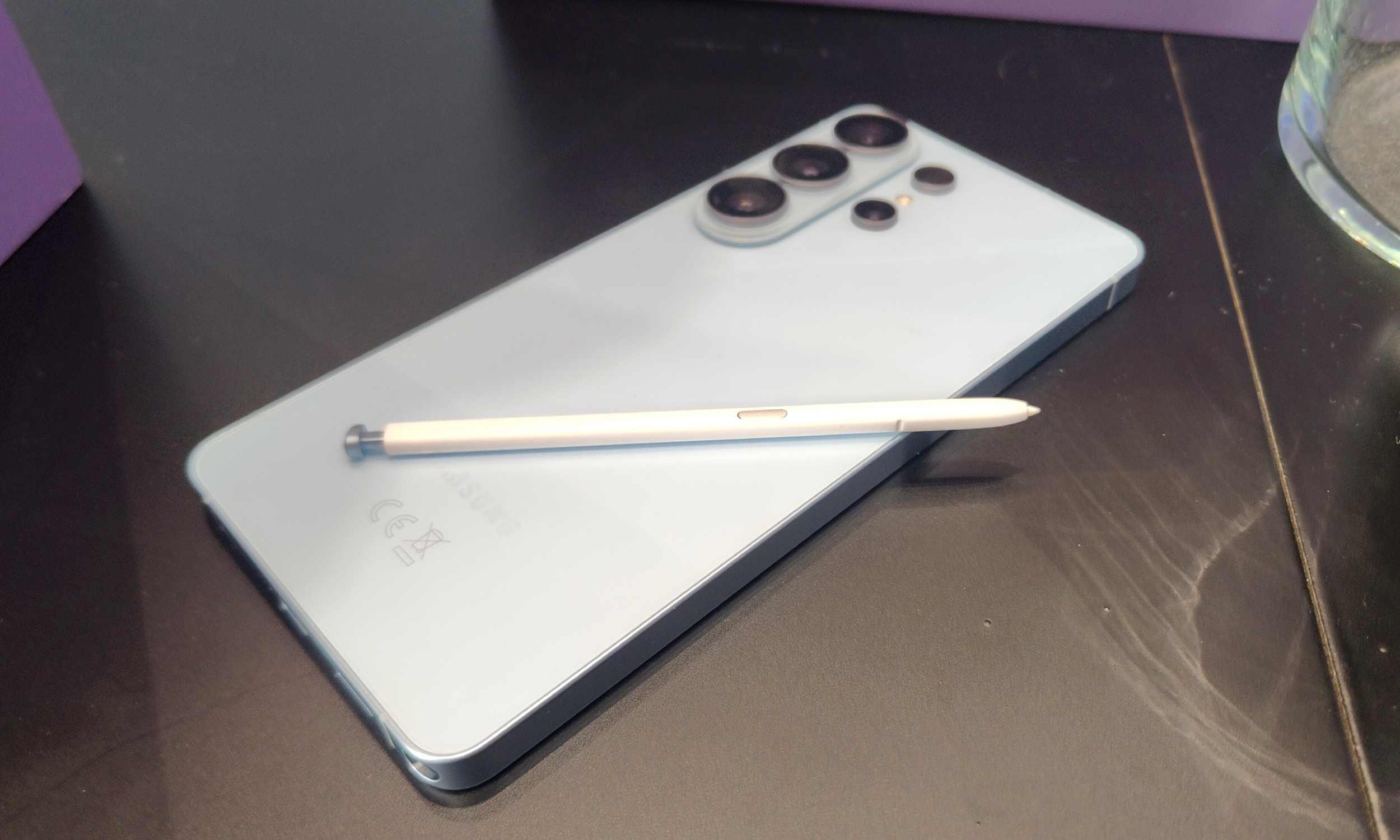
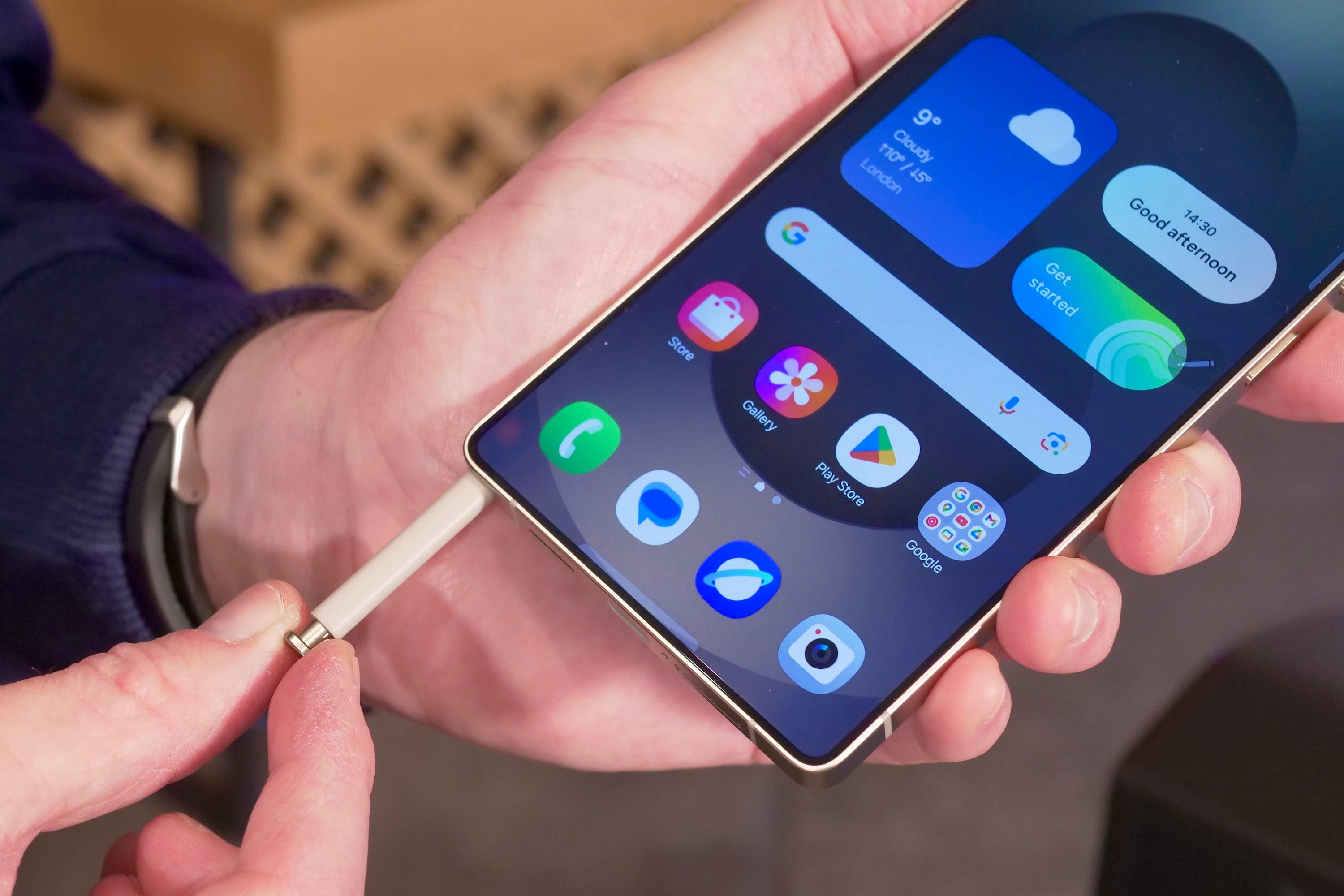
That would please a lot of fans who like to have it embedded, and that would tally with the Ultra name – the Galaxy S25 Ultra also has the slot for the stylus on the side. But for me, I still just can’t care.
Don’t get me wrong, I love a stylus (I’m a die-hard fan of the ReMarkable tablet) but the feeling of stylus-on-smartphone-screen just feels wrong. Give me more battery power please, and let me decide whether I want to clip a small digital pen to the outside.
Get ready for war
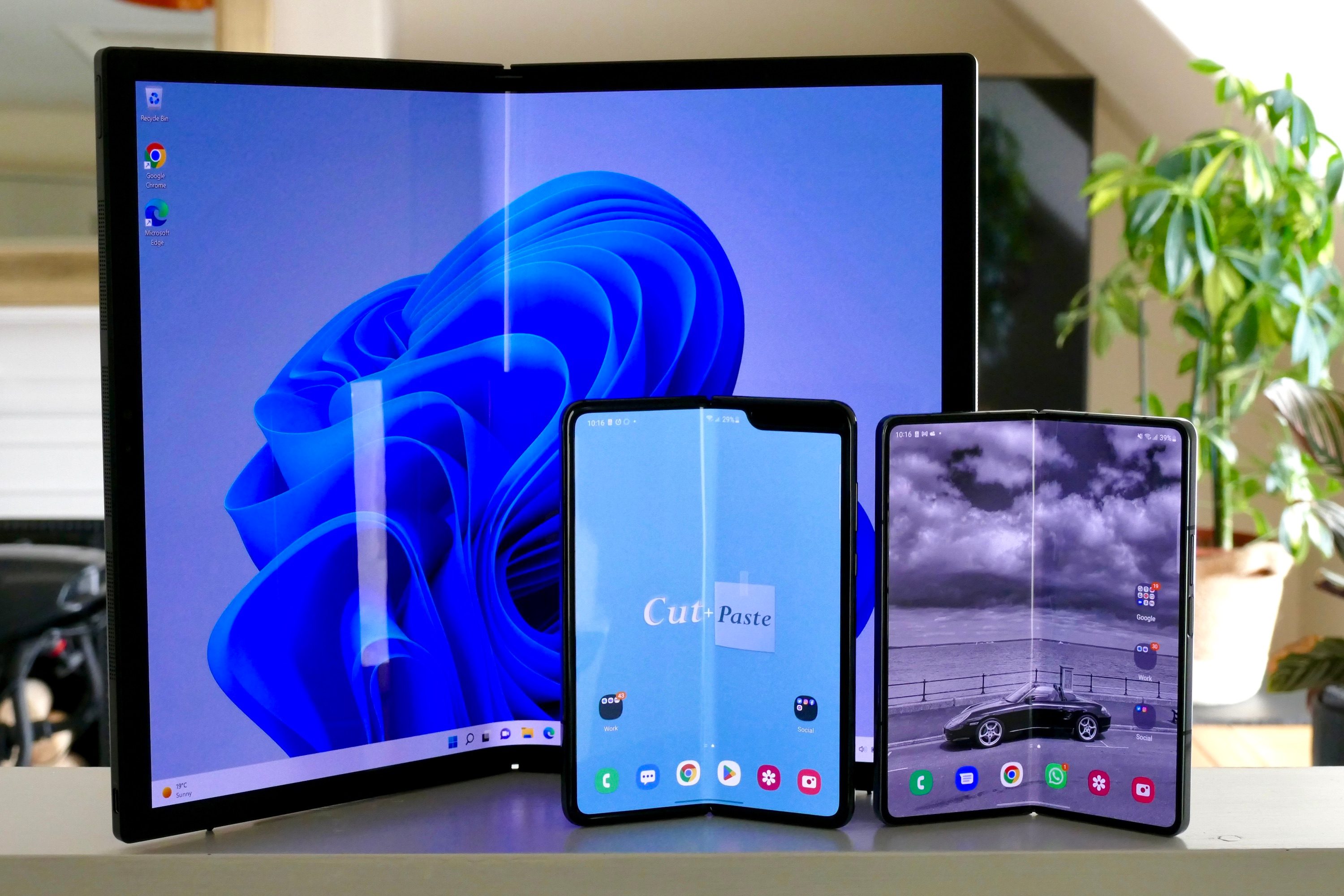
Samsung creating a new ‘super-premium’ tier of smartphone doesn’t seem to make sense on the outside. After all, we’re in a world where the cost of living crisis still exists, and tariffs are making the potential price increases in smartphones more worrying than ever.
But it’s clear that the foldable market is really taking off – Statista predicts 70 million foldables will be shipped in 2027, a significant increase on the 18 million in 2024 – and we want to see the biggest brands pushing the envelope so a wider pool of users can get excited about the technology too.
By having a two tier system, potential customers can get excited by the high end tech, but opt for a ‘cheaper’ version if the Z Fold 7 gets an Ultra sibling. Those two alongside the Galaxy Z Flip 7 would be a very potent line-up and would position Samsung well against it’s impressive rivals.
And while we’re still talking about phones costing thousands of dollars, Apple will surely enter the fray in the next 18 months with an iPhone Fold – having popular, high-end foldable hardware will be a marketing dream for Samsung when it needs to stake its claim as one of the forerunners of the technology in the future.
So I’m keeping a slot free in the calendar for early July, and I’ll be hoping to see a more powerful foldable phone – sure, it’ll be expensive, but if it’s a smartphone that delivers on all the promise that rollable phones offer, I’ll be sorely tempted.