
After rumors and delays, Apple finally held its iPhone 12 event. The event, dubbed “Hi, Speed,” is where the company took the wraps off of the new iPhone 12, iPhone 12 Pro, and HomePod Mini.
The iPhone 12 series is the first series to offer 5G support, but they also offer a design refresh and more. The HomePod Mini, on the other hand, makes the HomePod a whole lot more accessible than the original device, thanks to its $99 price tag.
Interested in hearing more about Apple’s new products? Here’s everything Apple announced at its October hardware event.
iPhone 12 Pro
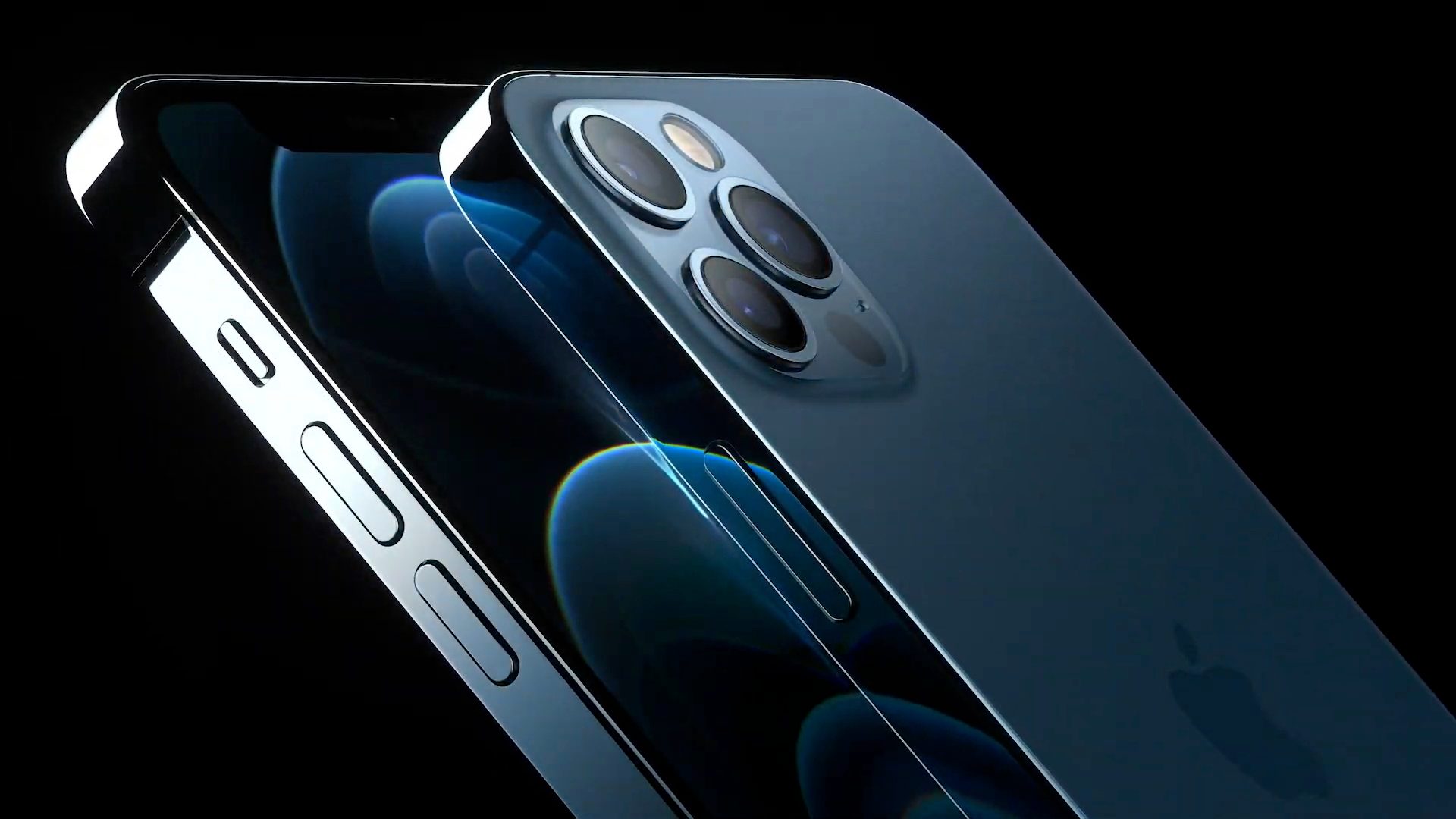
The new iPhone 12 Pro offers a similar overall design compared to the standard iPhone 12, similar specs under the hood, and 5G support. But it also has a few features of its own.
The differences start with the build materials. The Pro models are built with stainless steel instead of the aluminum that the standard iPhone 12 is built with. That stainless steel is available in four colors — Pacific blue, gold, graphite, and silver. The new iPhones also have larger displays than last year. The standard iPhone 12 Pro has a 6.1-inch display, while the iPhone 12 Pro Max has a 6.5-inch display.
The camera is a little different than last year, too. This year, the iPhone 12 Pro Max’s camera is a little different than the standard iPhone 12 Pro. Notably, the iPhone 12 Pro Max delivers a larger sensor, which improves low-light performance. Apple has even developed a new image format, called Apple ProRaw. ProRaw allows the iPhone to capture tweaks as data rather than as part of the image itself, allowing users to tweak settings after the fact. And, it can capture, play back, and even edit Dolby Vision video.
As rumored, the iPhone 12 Pro has a Lidar sensor, too. The result is that the device can build a depth map of a room or scene, which can seriously help in augmented reality situations. It can also be used for autofocus and low-light scenes, both in photo and videos.
The iPhone 12 Pro will be available for $999, while the iPhone 12 Pro Max comes at $1,099. The iPhone 12 Pro will be available for pre-order starting on October 16 and will ship on October 23. The iPhone 12 Pro Max will go up for pre-order on November 6, with shipping on November 13.
Read more about the iPhone 12 Pro
iPhone 12
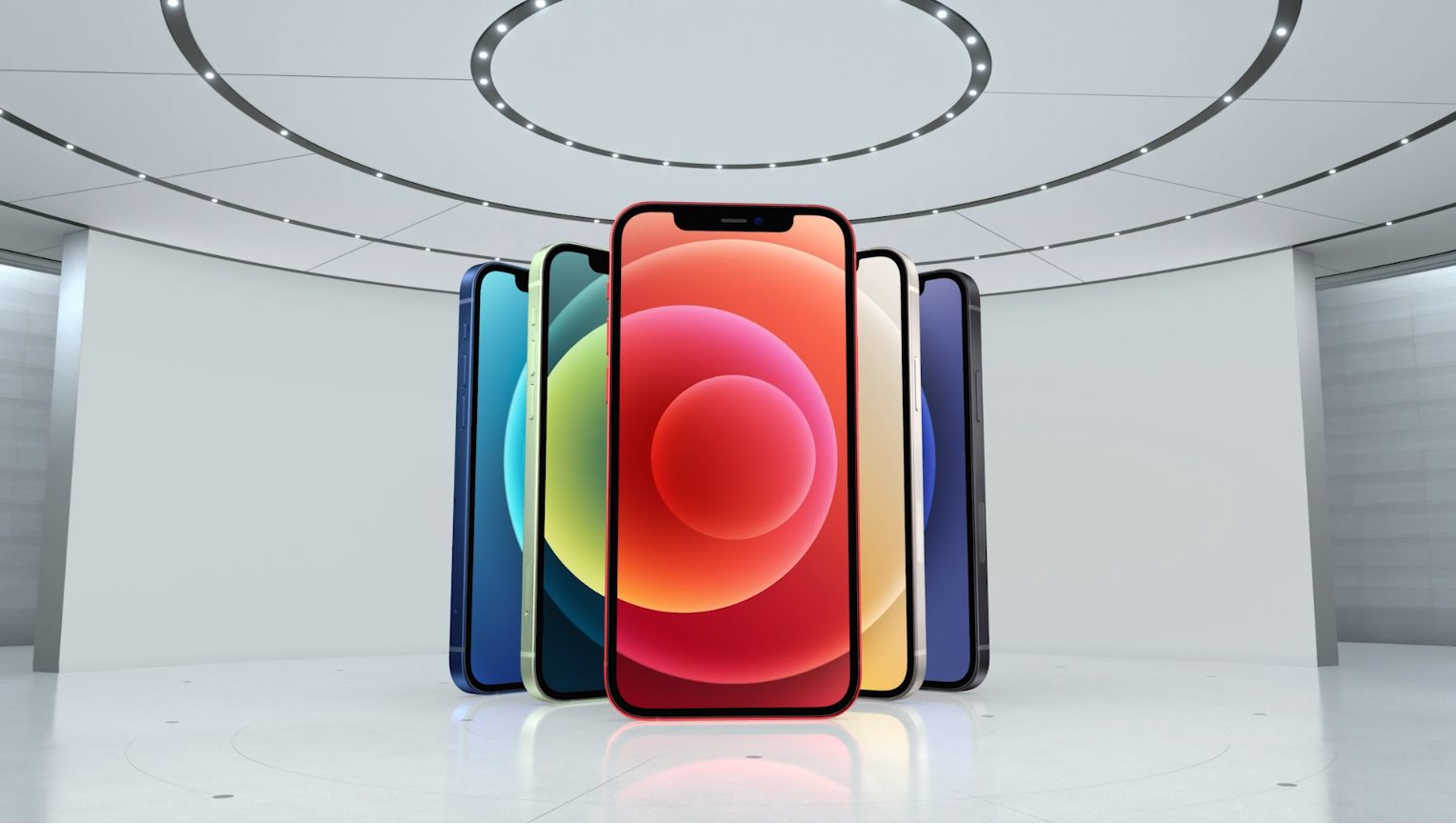
The main release at Apple’s event, of course, is the iPhone 12. Rumors about the device have been circulating for months, and it turns out, they were mostly true. Apple has released two standard models of the iPhone 12 so far, including a standard iPhone 12 and a small-screen iPhone 12 Mini. They both support 5G, including faster mmWave networks. The iPhone 12 Mini has a 5.4-inch display, compared to the 6.1-inch display on the standard iPhone 12.
As rumored, the new devices offer a revised design, with flat edges reminiscent of the iPhone 4 and 5 models. According to Apple, the iPhone 12 is 11% thinner than the iPhone 11. And, there’s a new glass on the display, which the company says will offer better protection. Developed with Corning, the new glass is called Ceramic Shield, and according to Apple, it offers four times better drop performance. That display is an OLED, finally — which is now reserved for Pro models.
Both standard iPhone 12 models offer the new Apple A14 Bionic, which is the same chip found in the previously announced but not-yet-released iPad Air. The new chip is built on a 5nm process, which improves on efficiency and performance, and it offers Apple’s new four-core GPU design, which Apple says offers a 50% performance increase in graphics.
The camera is getting an update, too. Notably, Apple says that Night Mode is now available on all iPhone 12 lenses, including the front-facing camera. And the lenses offer a larger aperture, which helps make for better low-light performance — including during video capture.
As rumored, the iPhone 12 also now has MagSafe on the back, which can be used for a range of different accessories. According to Apple, this starts with making the wireless charging experience better, by better aligning the iPhone with a wireless charger. The magnets can also be used for other accessories, like a wallet sleeve.
The iPhone 12 Mini comes at $699, while the standard iPhone 12 costs $799. The standard iPhone 12 will be up for pre-order on October 16, with shipping starting on October 23. The iPhone 12 Mini will be available for pre-order on November 6, with shipping on November 13.
Read more about the Apple iPhone 12
MagSafe Charger
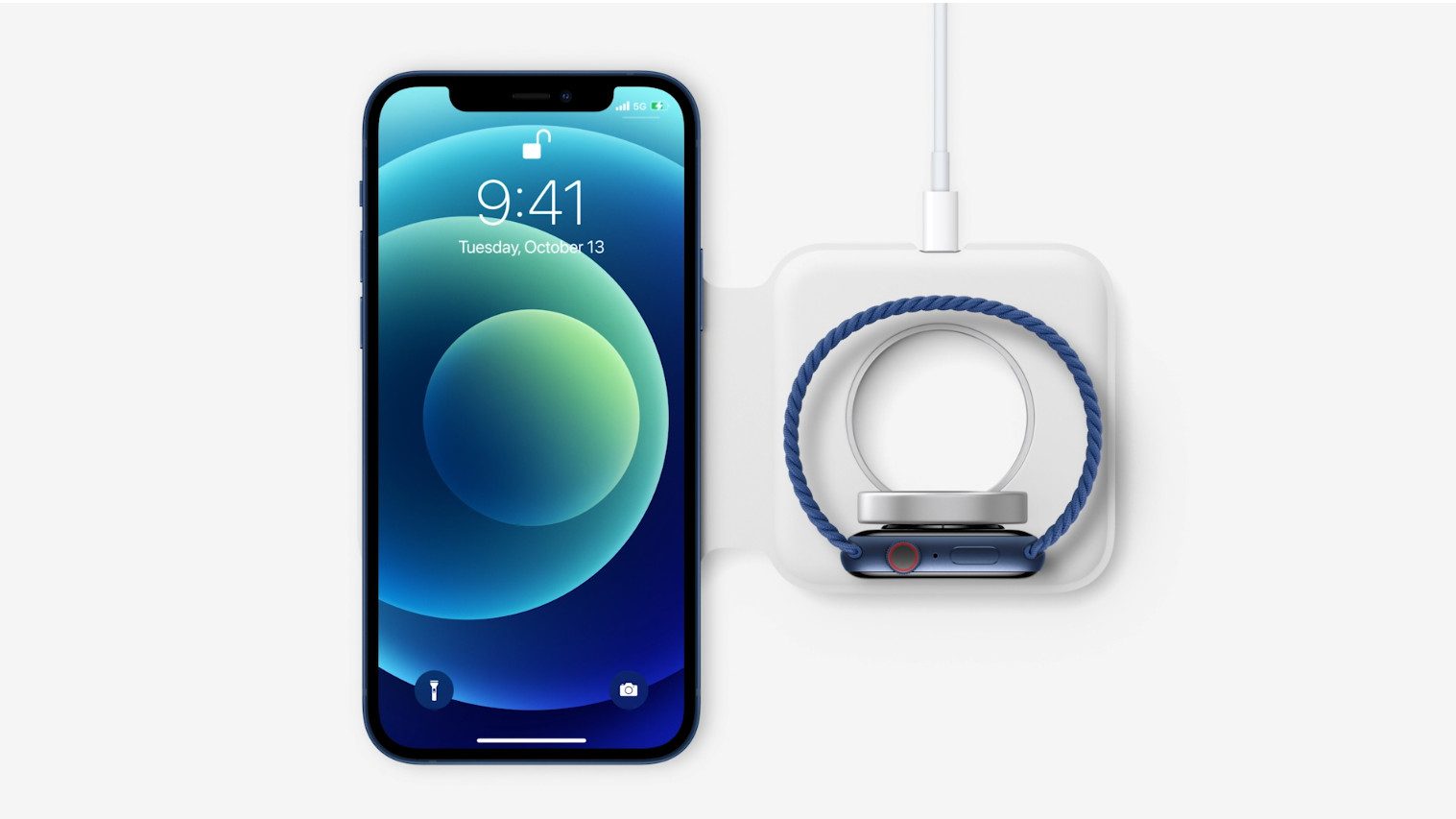
It may not be AirPower, but the new MagSafe Charger is as close as we’re going to get right now. The new charger makes use of the new MagSafe support on the iPhone 12 and can charge both the iPhone 12 and the Apple Watch.
HomePod Mini
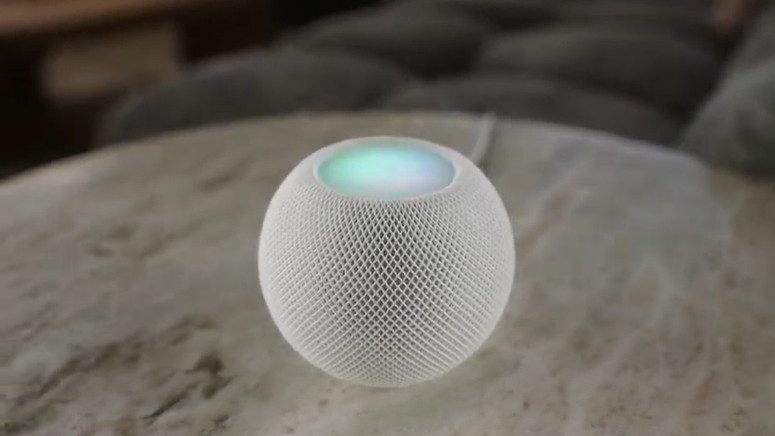
The original HomePod may not have offered the same smart features available in the Google Home and Amazon Echo, but it did offer excellent audio quality and classy design. Now, Apple wants to make the HomePod experience a little more accessible and announced a new HomePod Mini that offers Siri and a smaller shape. The HomePod Mini is available for only $99 and will be available for pre-order on November 6, with shipping on November 16.
The device has some smart features, too. For example, if you place two in a room, they’ll automatically become a stereo pair for more immersive audio. And, there’s a new handoff feature, whereby you can simply hold your iPhone near the device and your music will switch over. Like Google smart speakers, it even has an intercom feature that integrates with iPhones.
The device looks a little different than the original HomePod, offering a globe-shaped design that’s closer to the new Amazon Echo, and a mesh fabric around the surface. On the top, there’s a flat surface that offers a visual representation of Siri, as well as volume and playback buttons on the top to easily adjust on the fly without having to use your voice. Like the last HomePod, the device is available in white and space gray colors.
Read more about the Apple HomePod Mini


