
  1. Home
  2. Phones
  3. News

iPhone Duo is late to the party, but gets better dust and water resistance than Samsung

The iPhone Duo has a durability advantage over Samsung’s Galaxy Z Fold 8

Add as a preferred source on Google
Apple iPhone Duo Featured Official
Apple
Apple September iPhone Event Key Art
This story is part of our complete Apple event coverage

Apple surely took its time to launch its first foldable iPhone. However, the device it has revealed comes with an IP68 rating for dust and water resistance. For a folding phone, the 6 in that rating is the part worth paying attention to.

IP ratings use two numbers. The first measures protection against solid particles such as dust, while the second covers water resistance. A rating of IP68 means the iPhone Duo gets the highest level of dust protection under the standard and strong protection against water. Apple says the phone was tested at depths of up to 6 meters for 30 minutes.

Dust protection is where the iPhone Duo stands out

Water resistance is already common on expensive foldables. Dust is a much tougher problem because hinges, moving parts, and tiny gaps give sand, lint, and other debris more places to get inside.
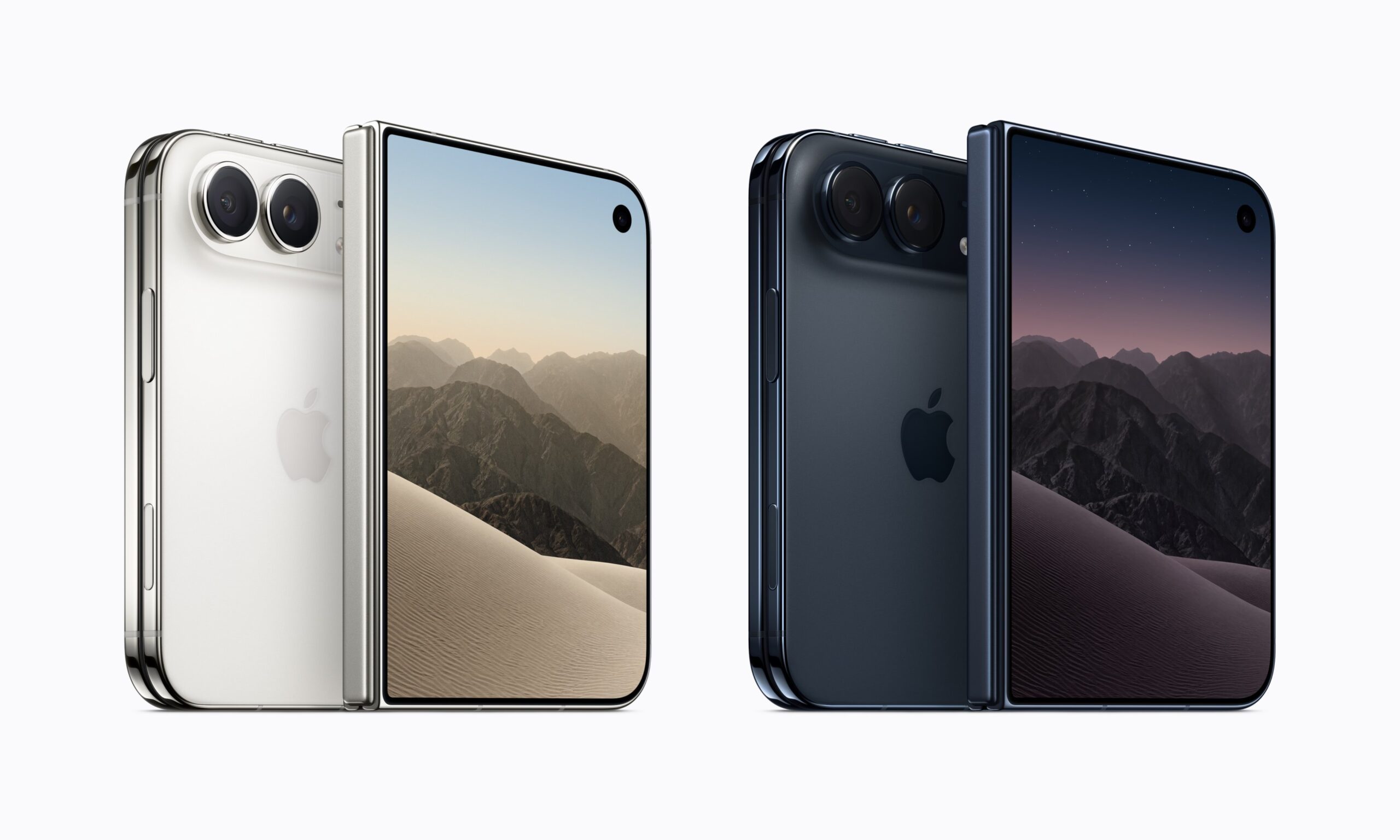
Samsung’s Galaxy Z Fold 8 carries an IP48 rating. Its 8 still represents strong water resistance, but the 4 does not certify the phone as dust-tight. The iPhone Duo’s 6 does. That gives Apple’s first foldable the highest dust-protection level under the IP standard.

Google has already reached the same level

Apple is not the first foldable maker to get there. Google’s Pixel 11 Pro Fold also carries an IP68 rating, so it matches the iPhone Duo for certified dust and water protection.

Recommended Videos

Still, IP68 is reassurance, not a free pass to abuse the hardware. Apple notes that dust and water resistance can decrease through normal wear. In other words, your $1,999 foldable may be dust-tight, but giving it a dust bath is still a terrible idea.

Sudhanshu Kumar Mangalam
I’ve got about 4 years of experience, mostly covering gaming, PC hardware, and smartphones. In my free time, I like…
The Xteink e-reader didn’t make sense to me until I did this one thing
I replaced the stock firmware on my Xteink X4 and finally got the typography, customization, and reading stats I wanted.
CrossInk running on Xteink X4

I got my hands on the Xteink X4 a few weeks back, and I was really excited. But as soon as I started using it, I realized the reading experience wasn't that great. The font rendering was poor, the line and word spacing was haphazard, and I couldn't customize much of anything.

Don't get me wrong, the stock firmware has received several updates over the past few months. Many of its issues are gone, and some things, like sleep and wake time, are way better now. Still, something was missing, and I kept leaving the X4 on my desk instead of reading on it.

Read more
The iPhone Duo is already sold out for Christmas, and you might not get one until 2027
Missed the preorder? Your best shot is a store line.
iPhone Duo

Preorder day is supposed to be the easy part of buying a new iPhone. It should involve little more than visiting Apple’s website, choosing the storage and color options, and paying the asking price to reserve a unit.

With Apple’s first foldable, that isn’t the case. Apple opened pre-orders for the iPhone Duo on Friday, October 16, 2026, and within an hour, delivery dates had slipped well into next year.

Read more
Samsung might swap the Galaxy S27 Ultra’s chip if Qualcomm can’t keep it cool
Qualcomm has until mid-October to chill out, or Exynos gets its comeback moment.
Samsung Galaxy S26 Ultra smartphone in blue color.

Nobody wants a phone that doubles as a hand warmer, and Samsung clearly agrees. As reported by Seoul Economic Daily, Samsung is unhappy with how Qualcomm’s next flagship chip handles heat, and that could shake up what powers the Galaxy S27 Ultra when it arrives early next year.

Qualcomm revealed the Snapdragon 8 Elite Extreme 6th generation last month, and Samsung has been putting it through its final round of testing. The results haven’t been great. During long, demanding tasks, the chip kept running hotter than Samsung’s limits allow, and its performance took a hit.

Read more