  1. Home
  2. Phones
  3. News

Apple’s iPhone 18 Pro Max still can’t quit Qualcomm in the US

Crack open a US iPhone 18 Pro Max and Qualcomm is still hiding inside

Add as a preferred source on Google
Electronics, Mobile Phone, Phone
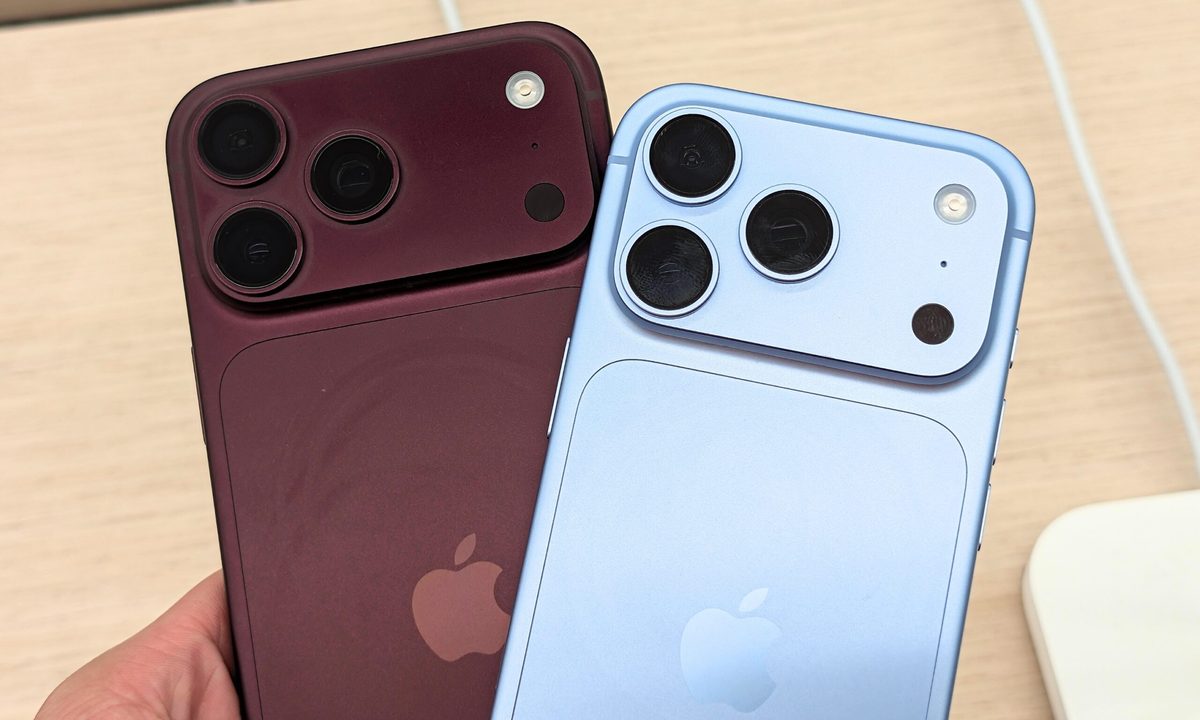
iPhone 18 Pro in Burgundy (left) and Glacier (right) Shikhar Mehrotra / Digital Trends

Apple has spent years trying to reduce its technology dependence. The C2 modem is a perfect example of this. But it seems like the company still can’t reduce its dependency on Qualcomm. A teardown from TechInsights confirms that the US iPhone 18 Pro Max uses Qualcomm’s Snapdragon X80 5G modem, rather than Apple’s new in-house C2. The company found the SDX80M modem alongside Qualcomm’s SDR875 RF transceiver inside the US model A3473.

Apple’s C2 is everywhere else
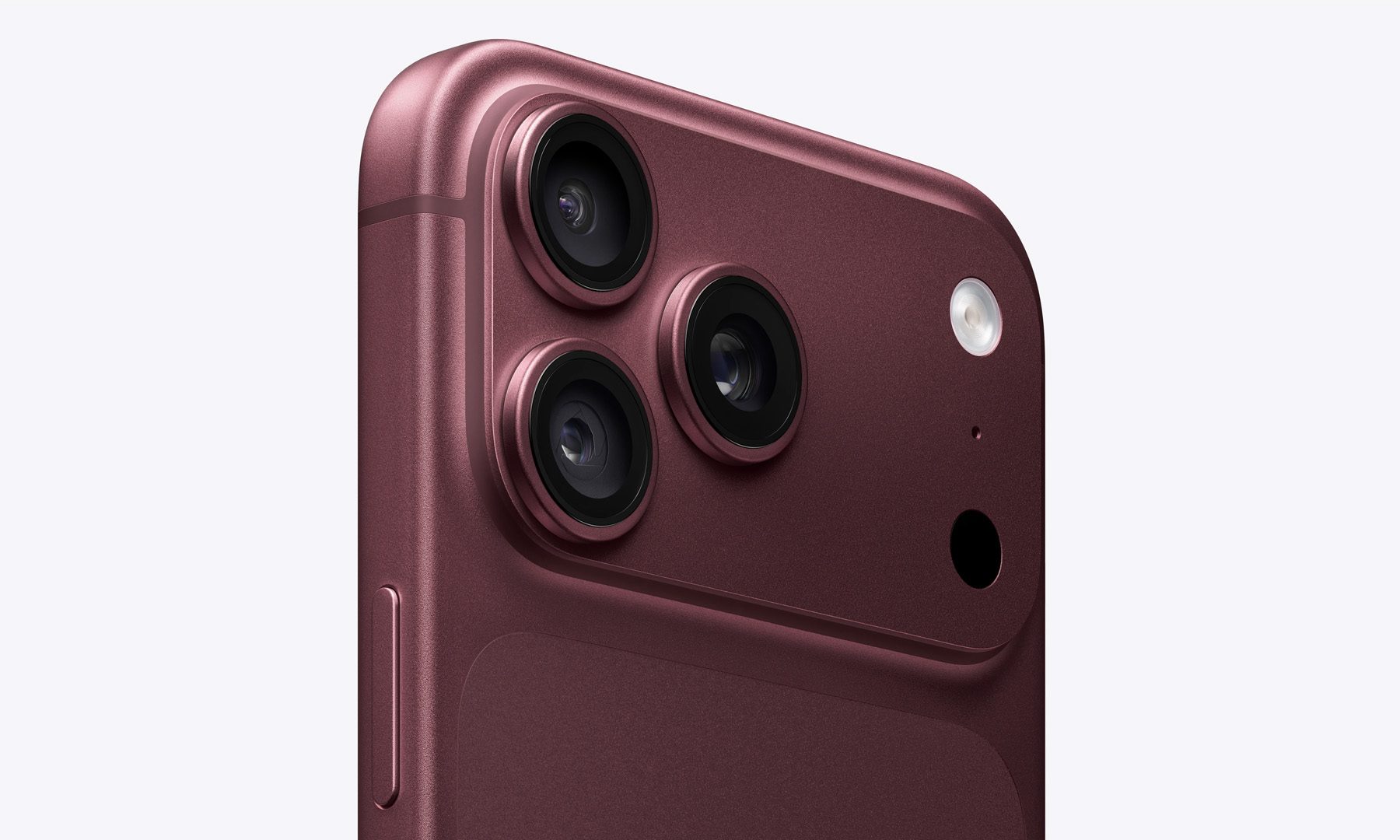
The smaller iPhone 18 Pro uses Apple’s C2 worldwide, as does the new iPhone Duo. The iPhone 18 Pro Max also gets C2 outside the United States. Apple’s US specifications conspicuously list C2 beneath the regular Pro while omitting any modem name for the Pro Max; Apple’s Indian specs explicitly list C2 for both sizes.

Recommended Videos

The Snapdragon X80 also isn’t new to Apple. Both iPhone 17 Pro models used the X80 globally last year. What is new inside this US Pro Max is an Apple-designed mmWave antenna module identified by TechInsights.

Why is the US Pro Max different?
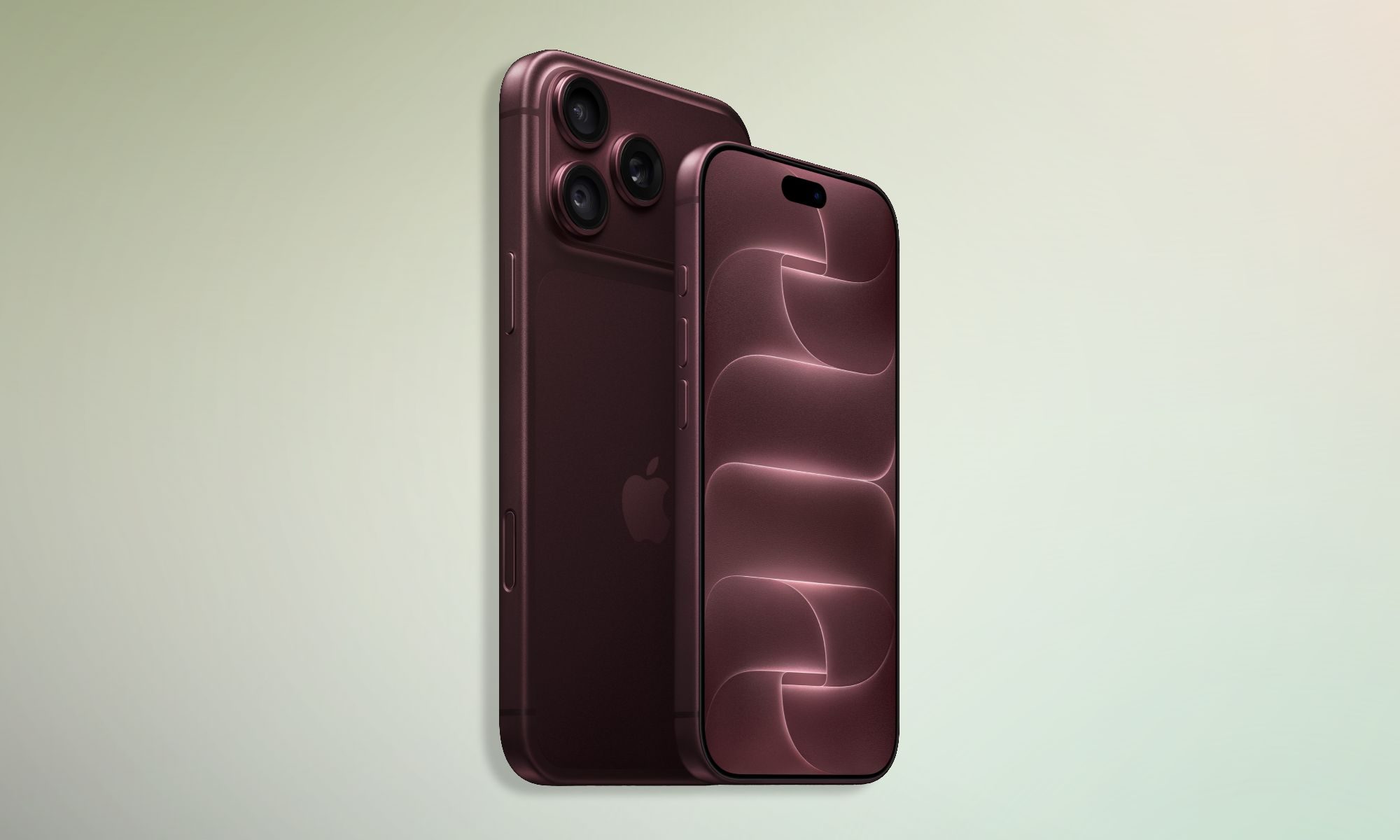
We still don’t have an official explanation behind this discrepancy. One possibility raised by MacRumors is contractual. Qualcomm announced in 2023 that it would continue supplying smartphone modems to Apple through 2026, so keeping the X80 in one high-volume US model could potentially help Apple satisfy remaining commitments. This is still just speculation, though, so take it with a grain of salt.

It also doesn’t appear to be because C2 lacks the necessary US network support. Apple claims that the new modem now supports mmWave 5G, delivers meaningfully faster uploads than C1X, and consumes 15% less energy.

Vikhyaat Vivek
Vikhyaat Vivek is a tech journalist and reviewer with seven years of experience covering consumer hardware, with a focus on…
The Xteink e-reader didn’t make sense to me until I did this one thing
I replaced the stock firmware on my Xteink X4 and finally got the typography, customization, and reading stats I wanted.
CrossInk running on Xteink X4

I got my hands on the Xteink X4 a few weeks back, and I was really excited. But as soon as I started using it, I realized the reading experience wasn't that great. The font rendering was poor, the line and word spacing was haphazard, and I couldn't customize much of anything.

Don't get me wrong, the stock firmware has received several updates over the past few months. Many of its issues are gone, and some things, like sleep and wake time, are way better now. Still, something was missing, and I kept leaving the X4 on my desk instead of reading on it.

Read more
The iPhone Duo is already sold out for Christmas, and you might not get one until 2027
Missed the preorder? Your best shot is a store line.
iPhone Duo

Preorder day is supposed to be the easy part of buying a new iPhone. It should involve little more than visiting Apple’s website, choosing the storage and color options, and paying the asking price to reserve a unit.

With Apple’s first foldable, that isn’t the case. Apple opened pre-orders for the iPhone Duo on Friday, October 16, 2026, and within an hour, delivery dates had slipped well into next year.

Read more
Samsung might swap the Galaxy S27 Ultra’s chip if Qualcomm can’t keep it cool
Qualcomm has until mid-October to chill out, or Exynos gets its comeback moment.
Samsung Galaxy S26 Ultra smartphone in blue color.

Nobody wants a phone that doubles as a hand warmer, and Samsung clearly agrees. As reported by Seoul Economic Daily, Samsung is unhappy with how Qualcomm’s next flagship chip handles heat, and that could shake up what powers the Galaxy S27 Ultra when it arrives early next year.

Qualcomm revealed the Snapdragon 8 Elite Extreme 6th generation last month, and Samsung has been putting it through its final round of testing. The results haven’t been great. During long, demanding tasks, the chip kept running hotter than Samsung’s limits allow, and its performance took a hit.

Read more