1. Home
  2. Phones
  3. News

Apple’s new rules could give us a break from shady copycat apps

Developers face stricter checks as Apple cleans up its App Store.

Add as a preferred source on Google
app-store-new-rules-to-prevent-copycat-apps
Mariia Shalabaieva / Unsplash

What’s happened? Apple has updated its App Review Guidelines, tightening rules on copycat apps and clarifying rules for developers in the App Store (via 9to5mac). These changes come after a surge in look-alike apps that attempted to ride the momentum of popular launches, including Sora 2 imposter apps that misled users on the App Store.

  • Apple updated nine sections in total, closing branding and icon-theft loopholes that clones often relied on.
  • The biggest shift is a new clause that bans developers from using another app’s icon, branding, or product name in their own listing without permission.
  • Apple also clarified separate policies for creator apps with age-gated content and tightened rules for loan apps.
  • Developers must now be clearer when sharing user data with third-party AI services.
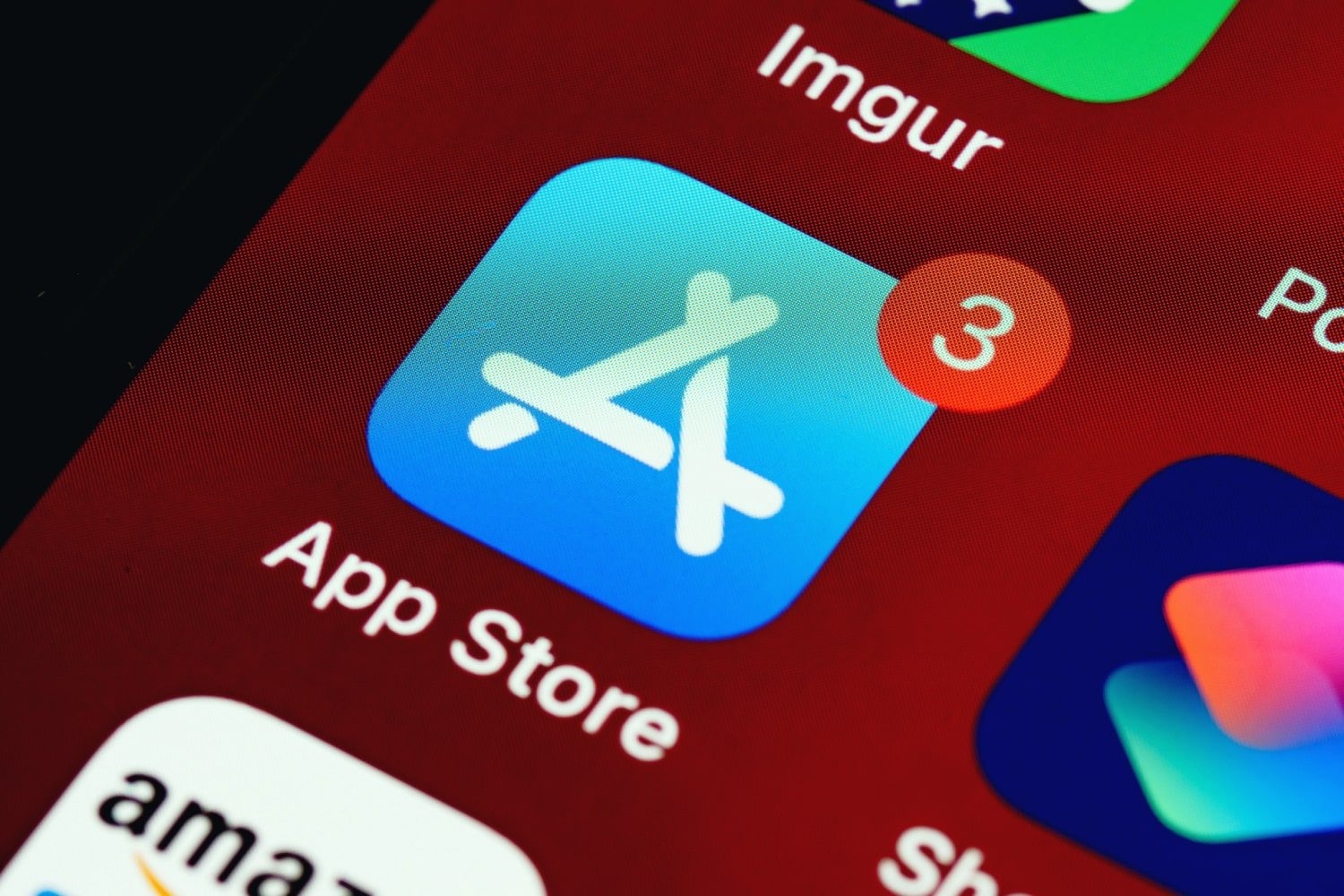
This is important because: Copy-cat apps have long been a problem on the App Store, diluting trust and making it harder for original developers to stand out when users search for the best iOS apps.

  • Apple has also warned developers not to make slight tweaks to another app’s name or interface and pass it off as their own.
  • This could reduce the number of imposter apps that piggyback on big hitters and trick users into installing fake apps.
Recommended Videos

Why should I care? If you’re an iOS user, this update matters because it impacts what ends up in your App Store.

  • You’ll likely see fewer shady or confusing apps that pretend to be the real thing.
  • This also raises the bar for developers as originality matters more, and using someone else’s branding can lead them to getting banned.
  • For users, it means less clutter and hopefully a better experience on your iPhone or iPad.

OK, what’s next?

  • Developers should review the updated full guidelines, which include other changes, and make sure their app’s branding and naming follow the new rules.
  • For Apple, the real test is enforcement; how strictly will it act against rule-breakers, and whether it will effectively clean up the marketplace.
Manisha Priyadarshini
Manisha Priyadarshini is a tech and entertainment writer with over nine years of editorial experience.
TSMC might set up a price hike that could come straight for your next phone, laptop, or tablet
Here's what TSMC's rumored 10% chip price increase actually means in dollar terms, and why your next phone or laptop could end up costing more.
TSMC Fab

My wallet flinched the second I saw the words "TSMC" and "price increase" in the same headline, and honestly, yours should too.

Turns out the company behind the silicon powering basically every flagship device out there, including Apple’s A-series and Qualcomm’s Snapdragon processors, is reportedly about to make all of it a little pricier.

Read more
Samsung’s free storage doubling for preorders is gone in Austria, and the replacement isn’t as sweet
Samsung's free storage doubling deal might just be history.
The back of the Galaxy Z Fold 7

If you've pre-ordered a Samsung foldable purely for the free storage bump, tomorrow's Unpacked event might sting a little.

For years, pre-ordering a new Galaxy meant automatically getting double the storage at no additional charge. Buy the 128GB model, walk away with 256GB for the same price. The same applied to the 256GB and 512GB models. However, that might change at the upcoming Galaxy Unpacked event. 

Read more
Apple fixes Hide My Email bug that exposed users’ real email addresses
Here's how Apple's Hide My Email flaw leaked real addresses for over a year, and why it only got fixed once the story went public.
apple-merging-sign-in-with-apple-hide-my-email-icloud+

Turns out the "Hide" part of Hide My Email wasn't doing its job quite as advertised, something that I covered early in July. Security researcher Tyler Murphy reported the flaw in June 2025, but despite Apple claiming it was resolved in March 2026, independent tests confirmed it remained exploitable, at least until July 3, 2026.

So how did this bug actually work?

Read more