
It’s tough to write a Samsung Galaxy Fold story without a caveat. When the original Galaxy Fold finally went on sale, it came with its own serious caveat. The phone had been pulled back, yanked out of reviewer’s hands, so that Samsung could address serious concerns about screen durability and dirt getting into the hinge.
Ultimately, our own review recommended to wait for the next generation before opting in for this advanced technology. Now, the sequel has arrived. When Samsung announced the Galaxy Z Fold 2, it aimed to address these reliability issues and concerns head-on.
But did the company leave more questions than answers?
A new material
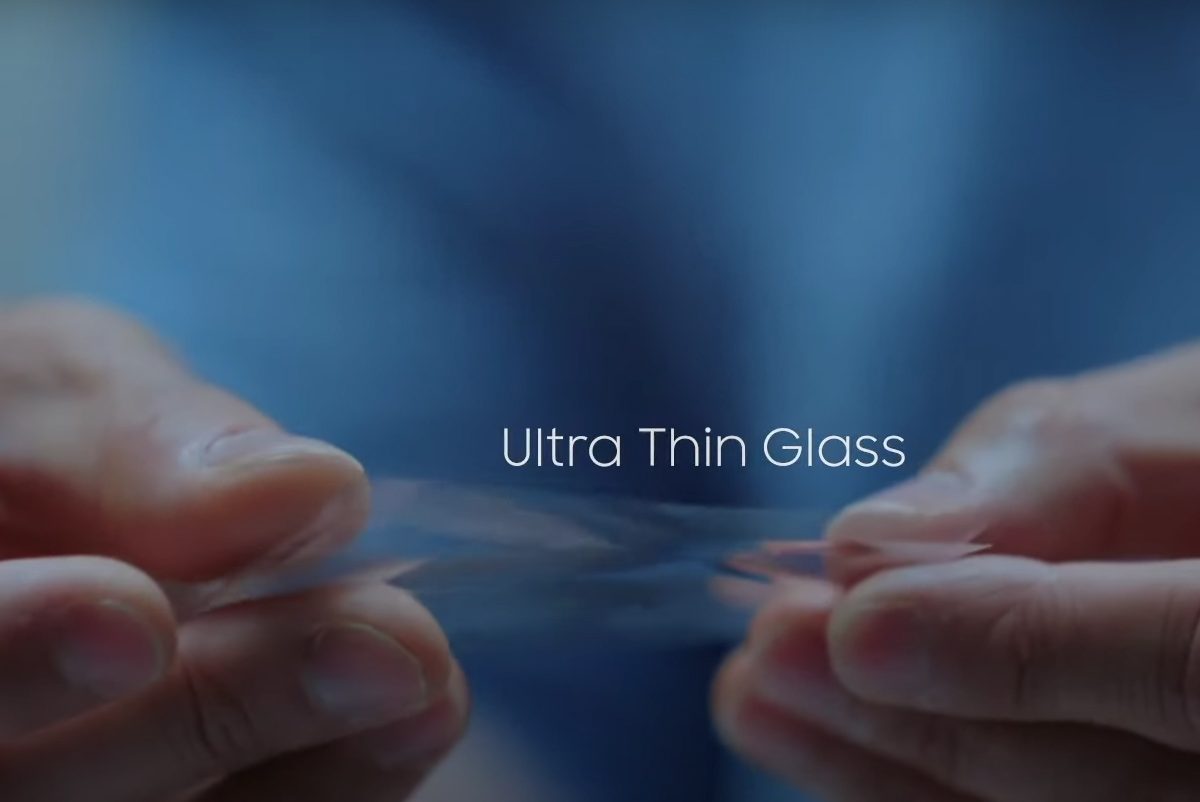
As the first wave of reviewers discovered, the original Galaxy Fold was easily prone to scratches. How bad was it? Well, some found that a rough fingernail could leave a permanent mark. Ouch. Samsung took a second swing at it before launch, switching about the materials in the layer.
While the phone was expected to arrive with bendable glass, the necessary ultrathin glass was not ready for prime time until the Galaxy Z Flip, so the original Galaxy Fold used plastic.
The new Galaxy Z Fold 2 does use glass — so as far as Samsung says. The company has introduced what it calls a new “UTG,” or ultrathin glass, that is apparently as “thin as human hair.” Sounds impressive.
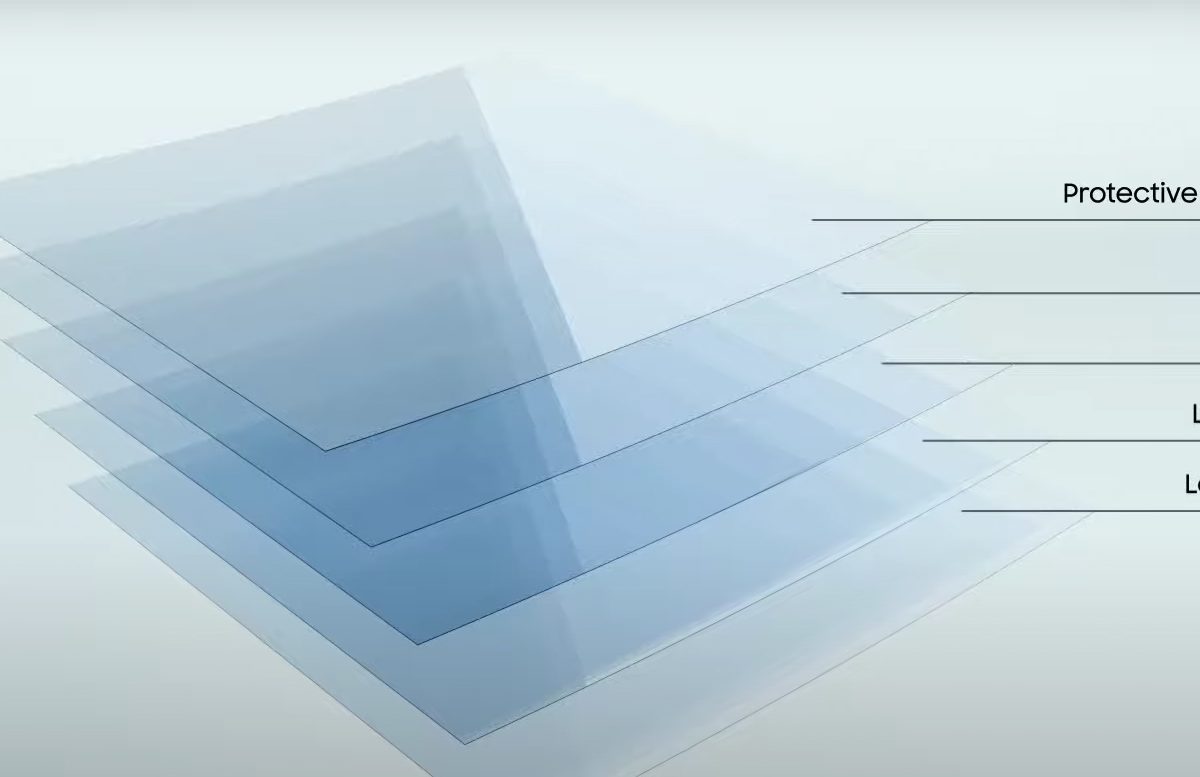
Samsung further details how a “protective layer” covers the UTG, as well as two other undescribed “layers.” In the end, those layers are what really count. If that protective layer is prone to scratches or feels like plastic, the thinness of the glass won’t matter.
Unfortunately, Samsung makes no specific mention of durability or hardness. This would have been a great chance to make some promises to about reliability that could ease concerns. Instead, it only says that the new display is “ready to provide a premium look and upgraded usability,” without any mention of real-world applications.
Hinges on
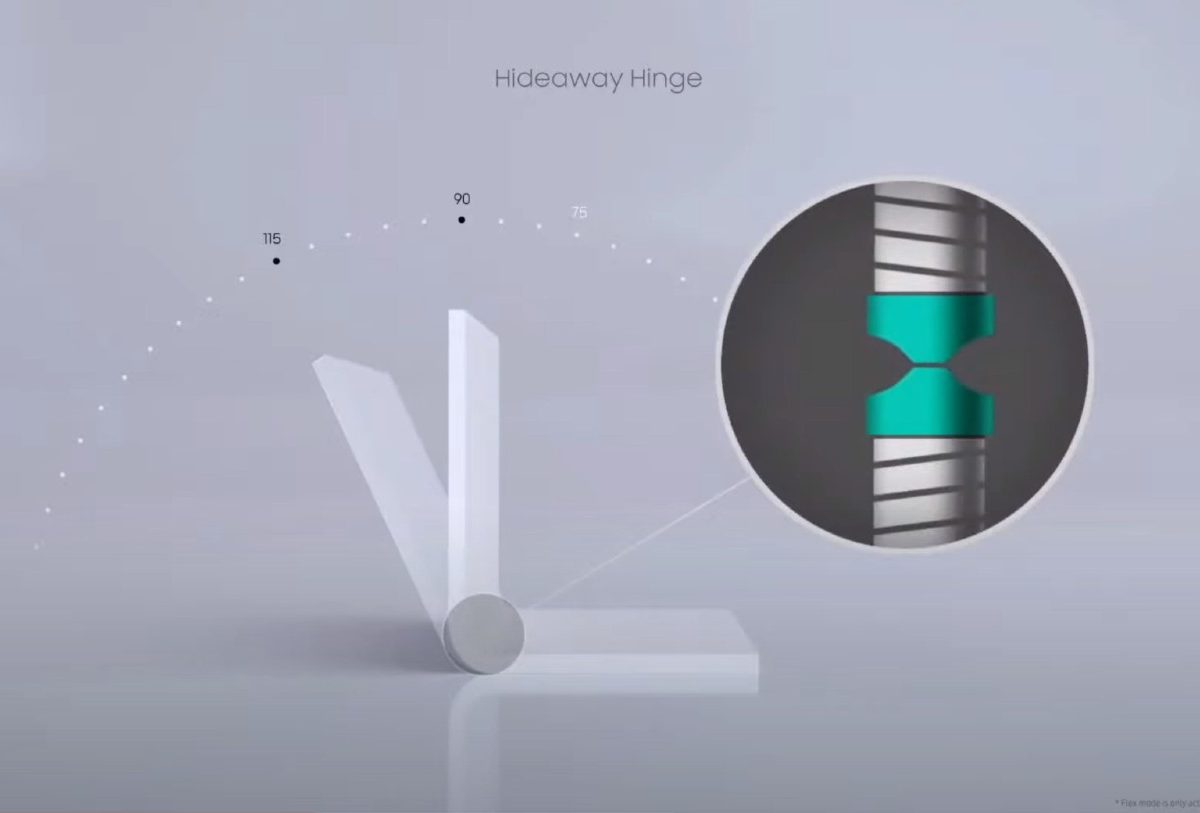
For the hinge, things get even more strange. Samsung brags that the new hinge design uses upward of 60 components, but the diagram shows mostly tiny screws. It is unclear how more (or less?) components will equal a better hinge design.
The goal is to make the hinge more stiff and give the user more degrees of stopping when you want to use the device half-folded. For the new hinge on the Z Fold 2, Samsung borrowed its patented “cam” system from the Galaxy Z Flip. Samsung describes it as “two ridge-shaped pieces” that create enough friction between them to help the device stand upright at different angles, from 75 degrees to 115 degrees. The idea is that you can prop it up halfway to watch videos, like the Galaxy Z Flip.
Because of the larger screen, though, Samsung has doubled up on the cam and elastic pieces to help keep it strong when it’s lifting the larger display. Given how much more durable the Z Flip was than the original Galaxy Fold, the cam system feels like a significant upgrade.
Avoiding dust
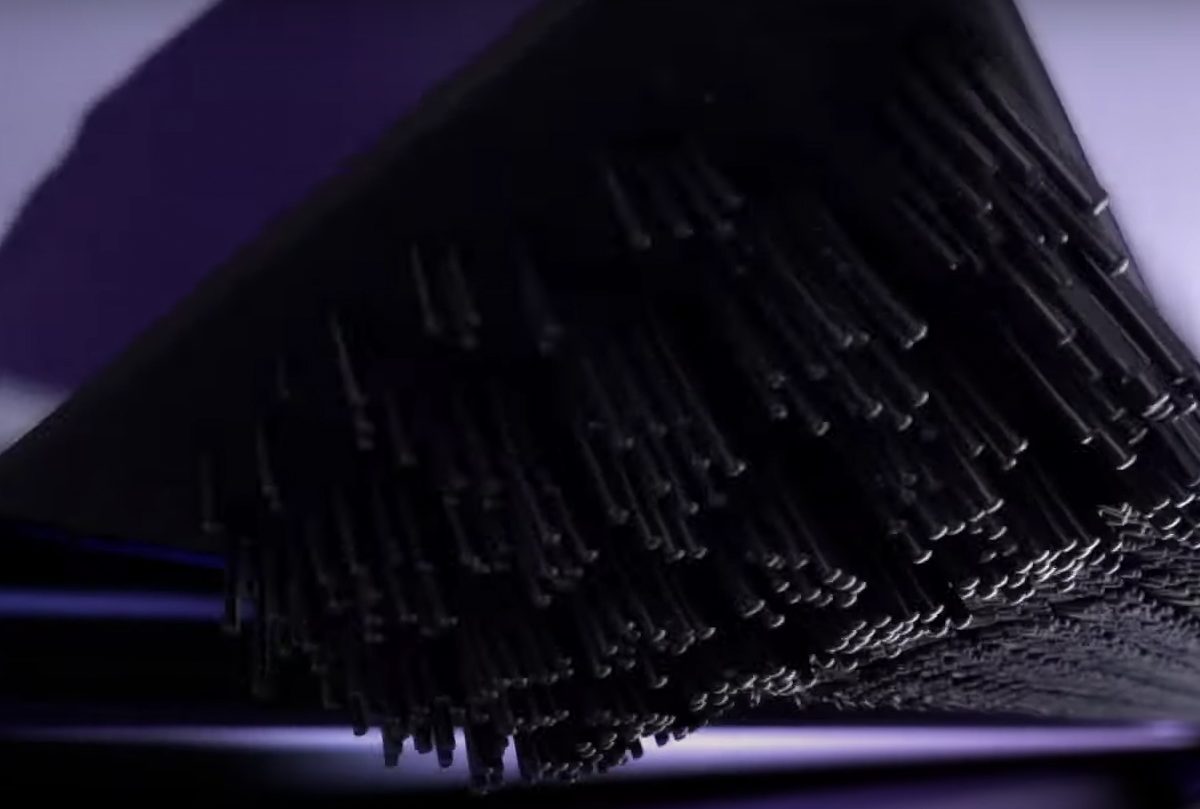
Lastly, Samsung aimed to address complaints about the Galaxy Fold’s ability to stay clean. To keep the hinge free of dust and crumbs, Samsung claims to have drawn inspiration from “a vacuum cleaner commercial” after nearly 100 failed attempts at inventing a better cleaning mechanism.
It took the company 108 attempts, it says, but it was that vacuum cleaner commercial that showed a better path. The company makes its own vacuum cleaners, so perhaps it could have saved time by working directly with that team. The solution is what it calls the “sweeper.” Its bristles are made of “carbon and nylon fibers,” and can rotate 20 times per second for up to two years.
This sweeper, though, does not appear to be a new innovation. The difference this time is in size. Samsung says that a new cutting-edge technology allowed it to make a sweeper that is 25% smaller in the Z Fold 2 than in previous folding phones.
These small innovations can go a long way, especially those that build on the success of the Galaxy Z Flip. The Z Fold 2 is bound to be a more reliable device than the original Fold. But Samsung notably didn’t make any promises about durability, and concerns around folding devices won’t go away anytime soon. Until we get our hands on the device ourselves, we won’t know for sure just how big of an impact the refinements of the design will have.


