Novartis, the Swiss healthcare firm, has announced it will license Google’s exciting smart contact lens technology, initially unveiled by the Google X team at the beginning of this year. This is the first step in making the revolutionary lenses a reality, and potentially helping millions worldwide understand and manage certain medical conditions more effectively.
Under the new agreement, Google will bring its experience in miniaturized electronics, microfabrication, and low power chips to the table. It’s Novartis’ eye care division Alcon that will provide the medical expertise, from understanding how the eye works, to developing and then successfully marketing a cutting-edge healthcare product.
When Google first talked about the smart lens, it specifically mentioned how it would help anyone with type 1 or 2 diabetes. Instead of taking a blood sample, the smart lens would monitor glucose levels using tear fluid from the eye, then transmit the data to a smartphone or other device. Amazingly, the lens is powered by a static electrical charge, meaning it doesn’t need a battery.
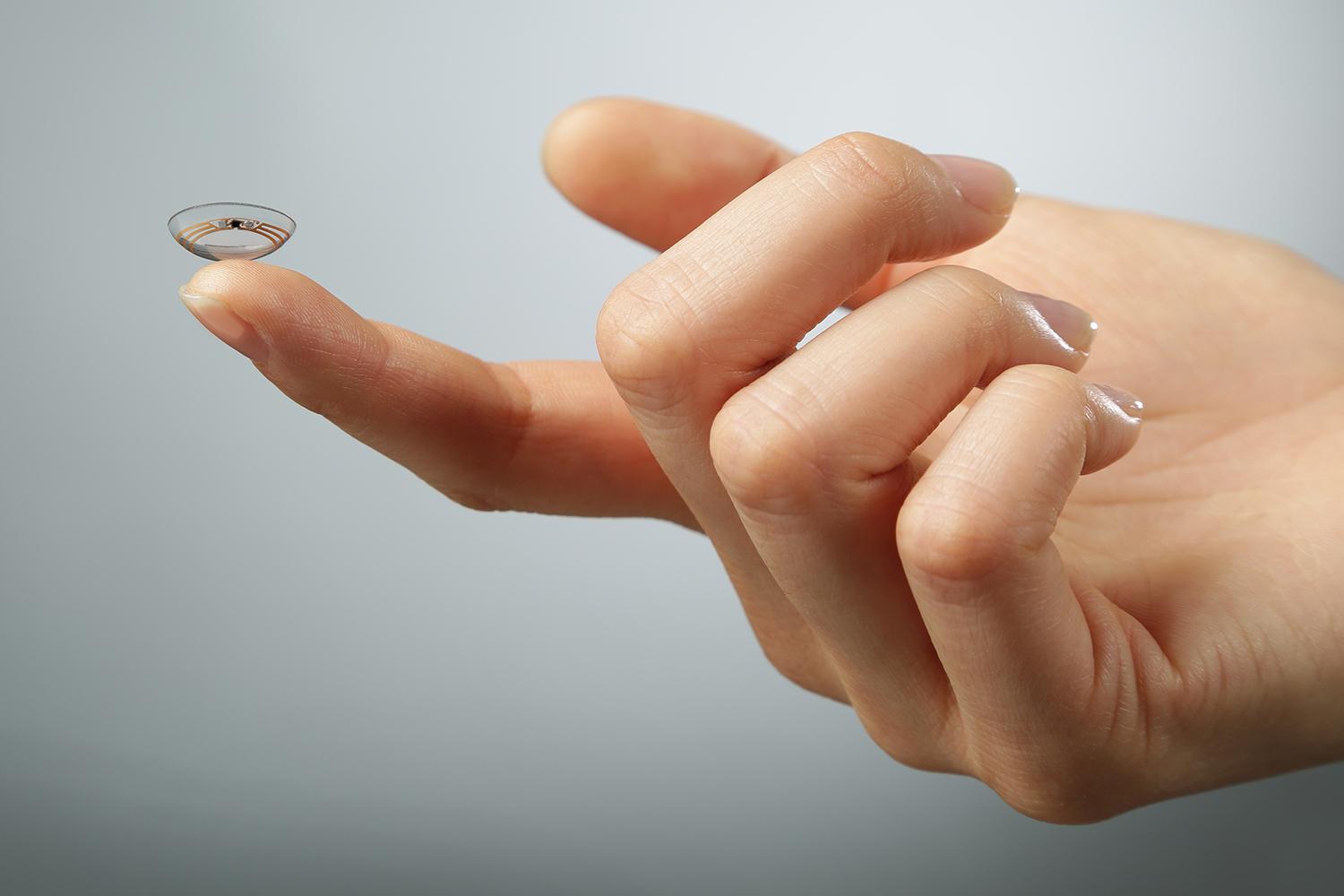
In addition to helping those with diabetes, Alcon also wants to develop lenses to combat presbyopia, a condition which stops the eye from focusing on close-up objects. The smart lens could help bring back this ability to quickly focus, and negate the need for corrective surgery, bifocal glasses or special soft contact lenses.
The collaboration is exciting, but the chance to buy a set of Alcon/Google smart lenses is still a way off. Though the companies noted that the partnership would “accelerate product innovation based on Google’s smart lens technology” when the announcement was first made, it now looks as though things aren’t accelerating at the pace that either party had previously hoped. While Novartis’ goal was originally to begin testing its autofocus smart lens by the end of 2016, those plans have since been abandoned.
“It is too early to say when exactly human clinical trials for these lenses will begin,” a spokeswoman for the Basel-based drugmaker told Reuters in an email on Friday. “This is a very technically complex process and both sides are learning as we go along. We will provide updates at the appropriate time,” she said.
Article originally published in July. Updated on 11-20-2016 by Lulu Chang: Added news that the 2016 test date for the smart lenses has been pushed back.