Google’s Pixel 11 series is finally here, bringing four new phones built around the upgraded Tensor G6 chip and a more proactive version of Gemini. The lineup offers incremental improvements over the Pixel 10 series, with minor design changes, brighter displays, and HiLight, a new glanceable notification light exclusive to the Pro models.
Whether you’re deciding whether to upgrade or just want to know what changed, here’s everything you need to know about the Pixel 11 series, including pricing, specs, cameras, and what’s different model by model.
Release date and price
The Pixel 11 series went up for pre-order on August 12, 2026, with retail availability set to begin August 20, 2026. Every phone in the lineup costs $100 more than its Pixel 10 series equivalent. Google has attributed the increase to a broader memory supply crunch driving up costs industry-wide. In exchange, every model now starts at 256GB, so there’s no 128GB base tier like in previous generations.
| Model | Price |
| Google Pixel 11 | 12GB+256GB: $899.99 12GB+512GB: $1,019.99 |
| Google Pixel 11 Pro | 12GB+256GB: $1,099.99 16GB+512GB: $1,219.99 16GB+1TB: $1,449.99 |
| Google Pixel 11 Pro XL | 12GB+256GB: $1,299.99 16GB+512GB: $1,419.99 16GB+1TB: $1,649.99 |
| Google Pixel 11 Pro Fold | 16GB+256GB: $1,899.99 16GB+512GB: $2,019.99 16GB+1TB: $2,249.99 |
Colors and first-party accessories
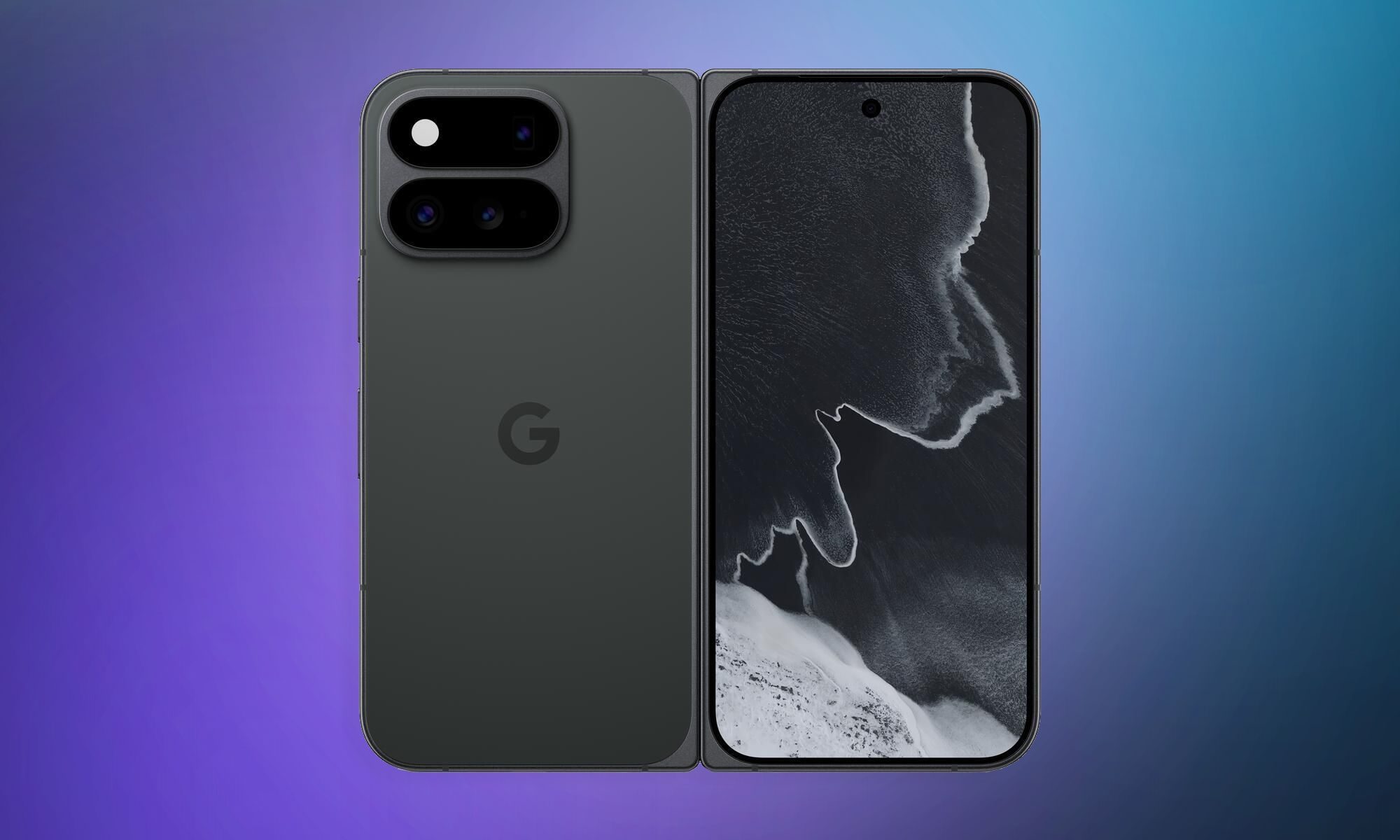
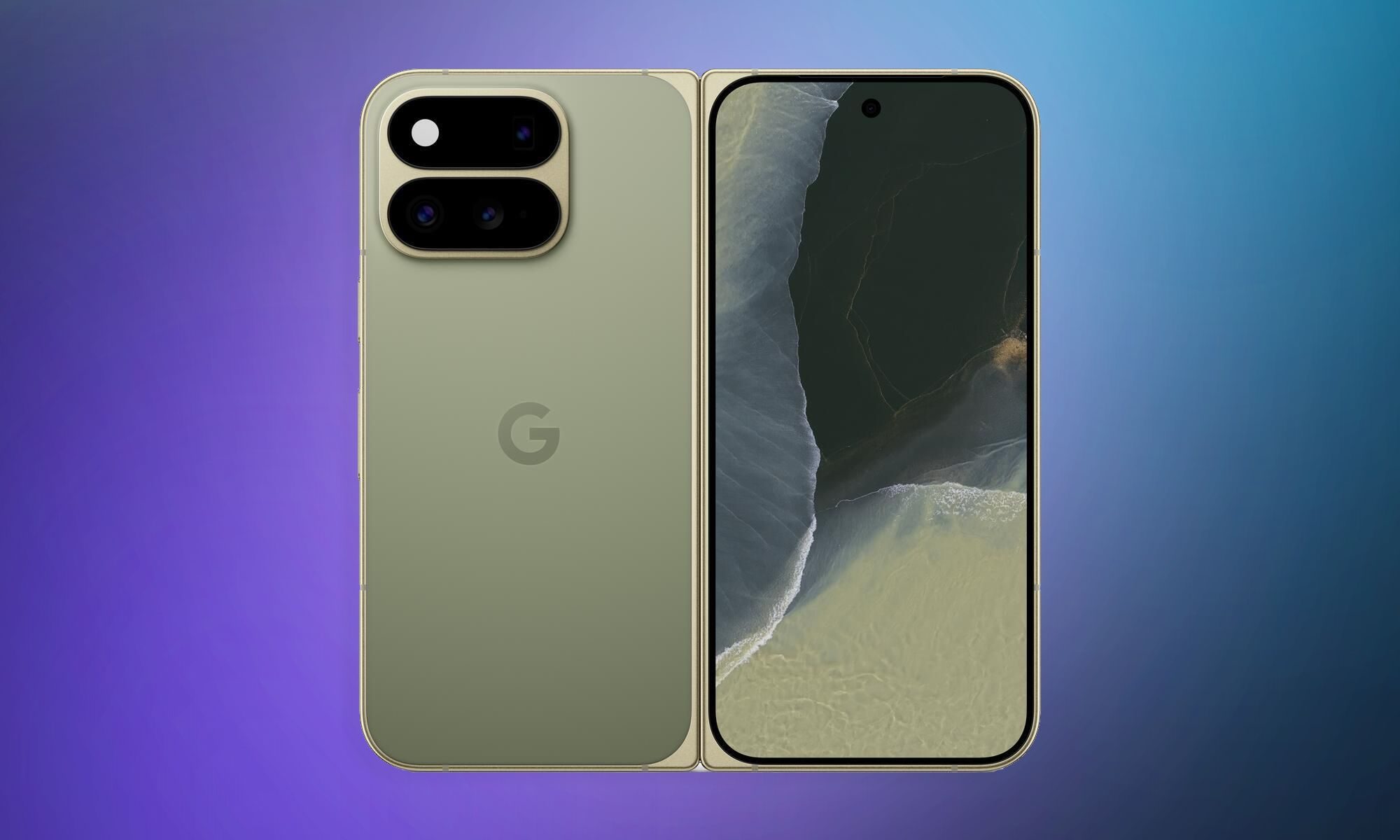
The Pixel 11, Pixel 11 Pro, and Pixel 11 Pro XL get four color options, while the Pixel 11 Pro Fold only gets two. The base model ships in Frost, Pistachio, Hibiscus, and Obsidian, while the two Pro models come in Canyon, Fog, Olive, and matte Obsidian. The Pixel 11 Pro Fold only gets Olive and Obsidian.
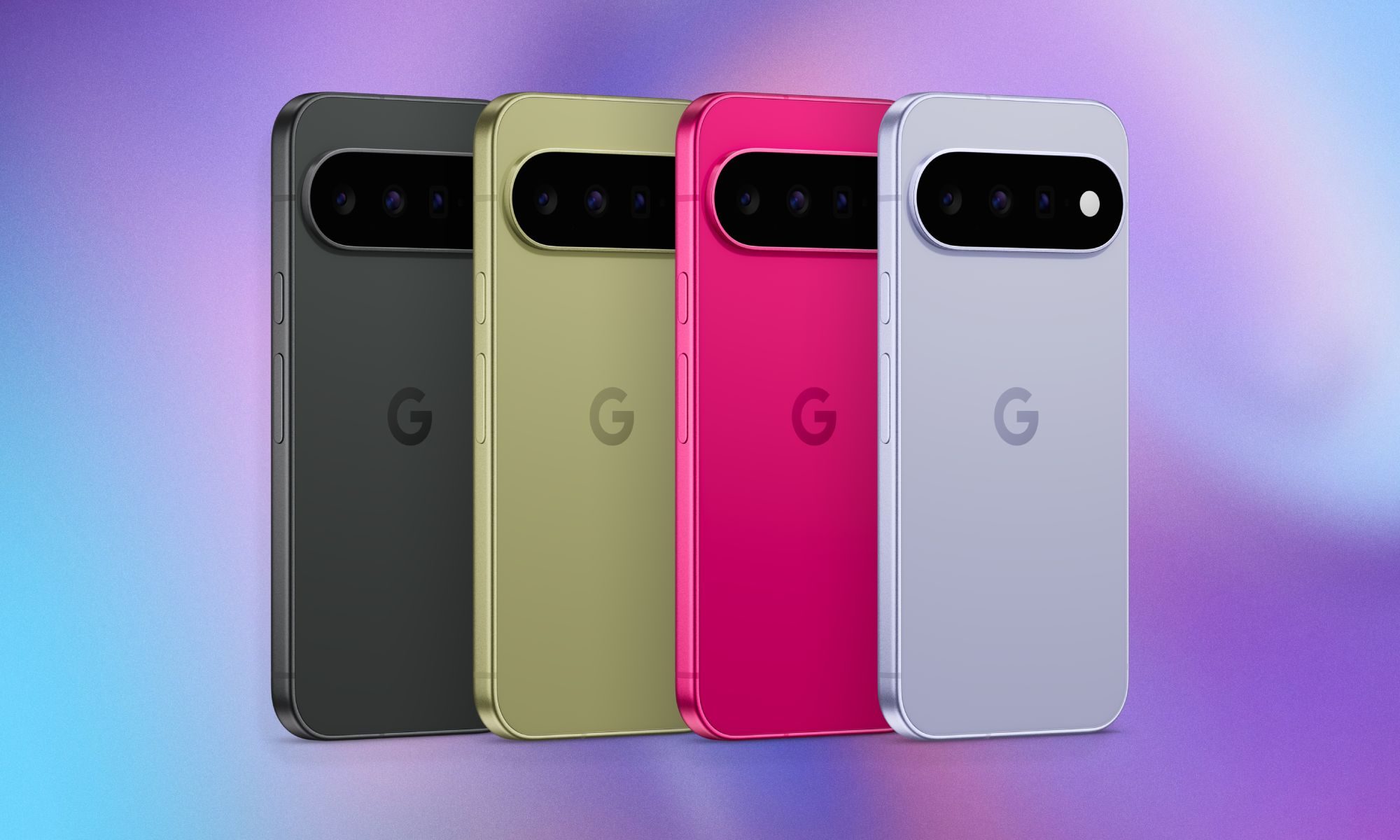
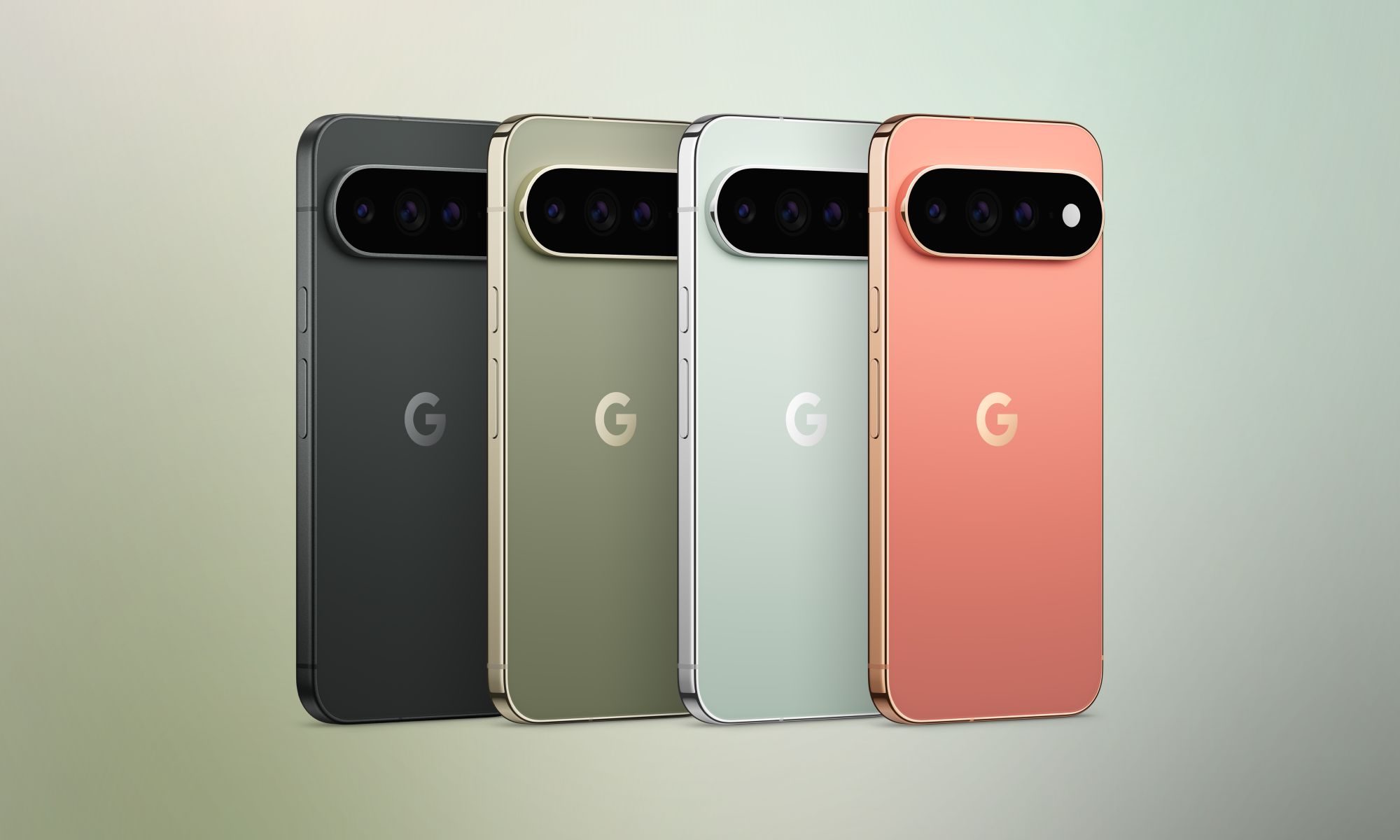
Google has also launched matching Pixelsnap cases for every device, plus a new clear case that shows off the phone’s original finish. All of them keep the built-in magnetic Pixelsnap ring, so they stay compatible with Google’s wider lineup of magnetic chargers, stands, and other Pixelsnap accessories.
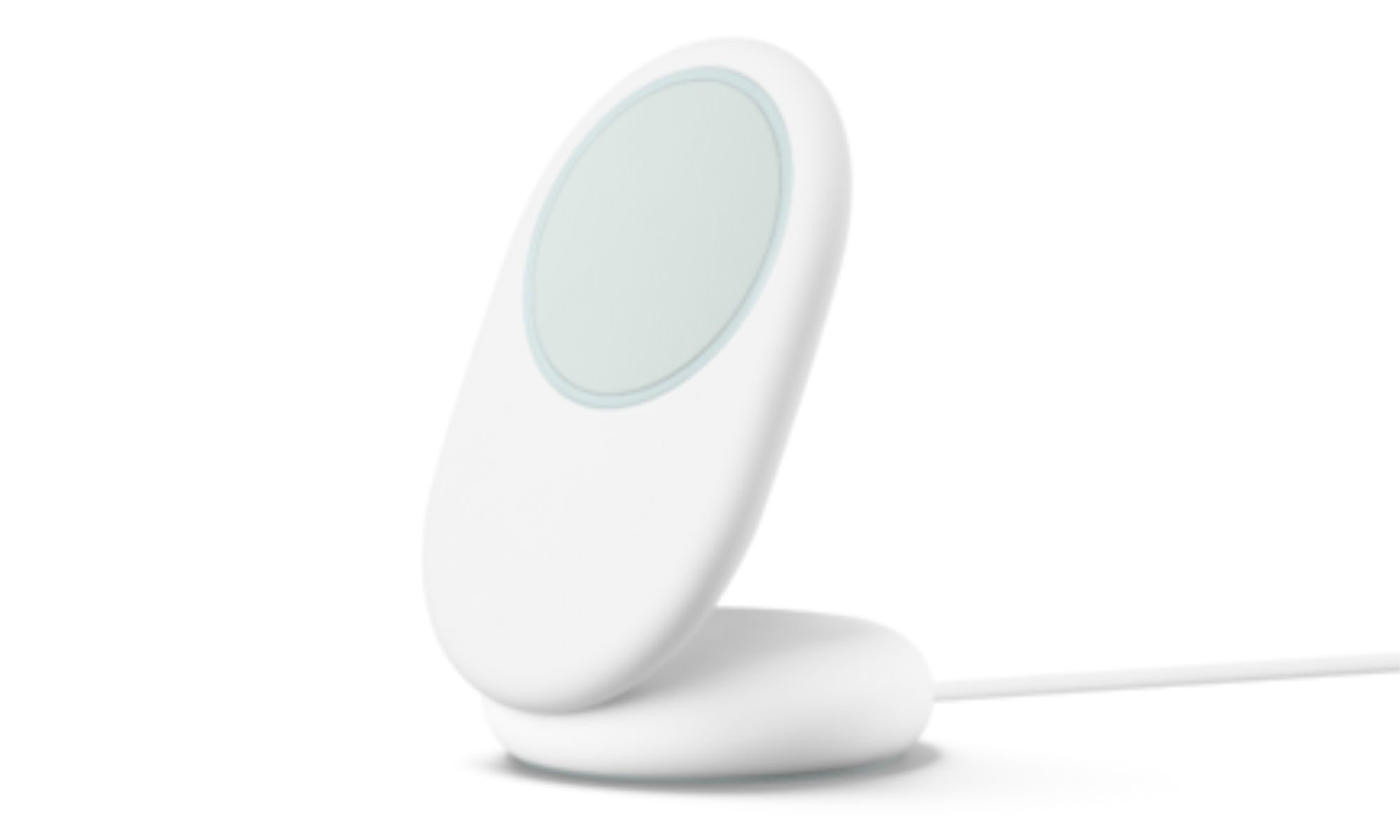
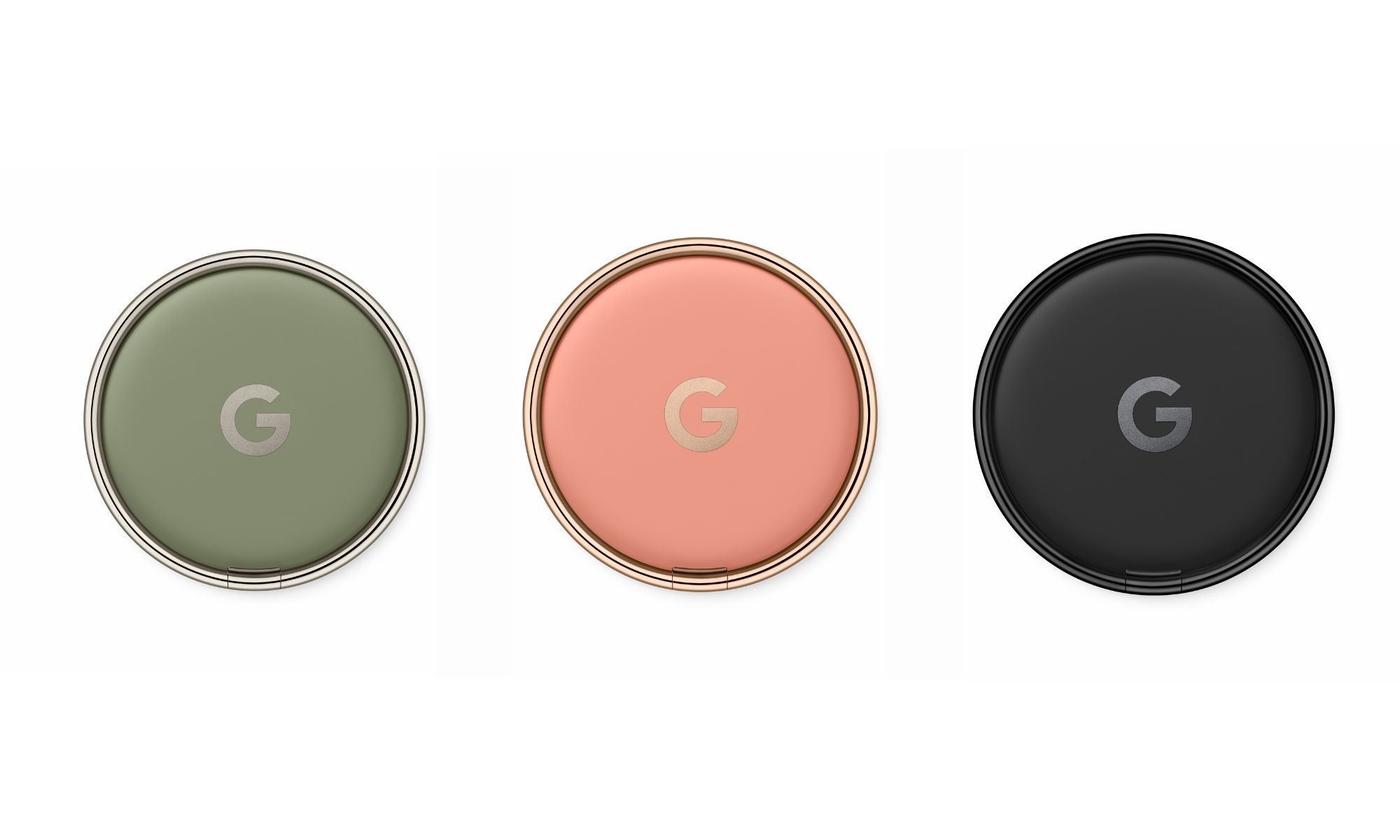
The Pixelsnap Ring Stand also gets three new colors: Canyon, Olive, and Obsidian. A new Pixelsnap Charger rounds out the refreshed accessory lineup.
What’s new across the series
Every Pixel 11 model packs Google’s new Tensor G6 chip paired with a Titan M3 security coprocessor. Google says the chip delivers roughly 20% better power efficiency and 15% faster app loading than the Tensor G5, along with 50% more TPU compute for on-device AI tasks. That extra processing power drives Gemini Intelligence on the devices, which is a more proactive version of Gemini that can pull context from apps, draft replies in their writing style, and perform routine tasks like booking a ride or reordering groceries. In the US, Gemini can even place phone calls to businesses on a user’s behalf and show a live transcript as the call happens.

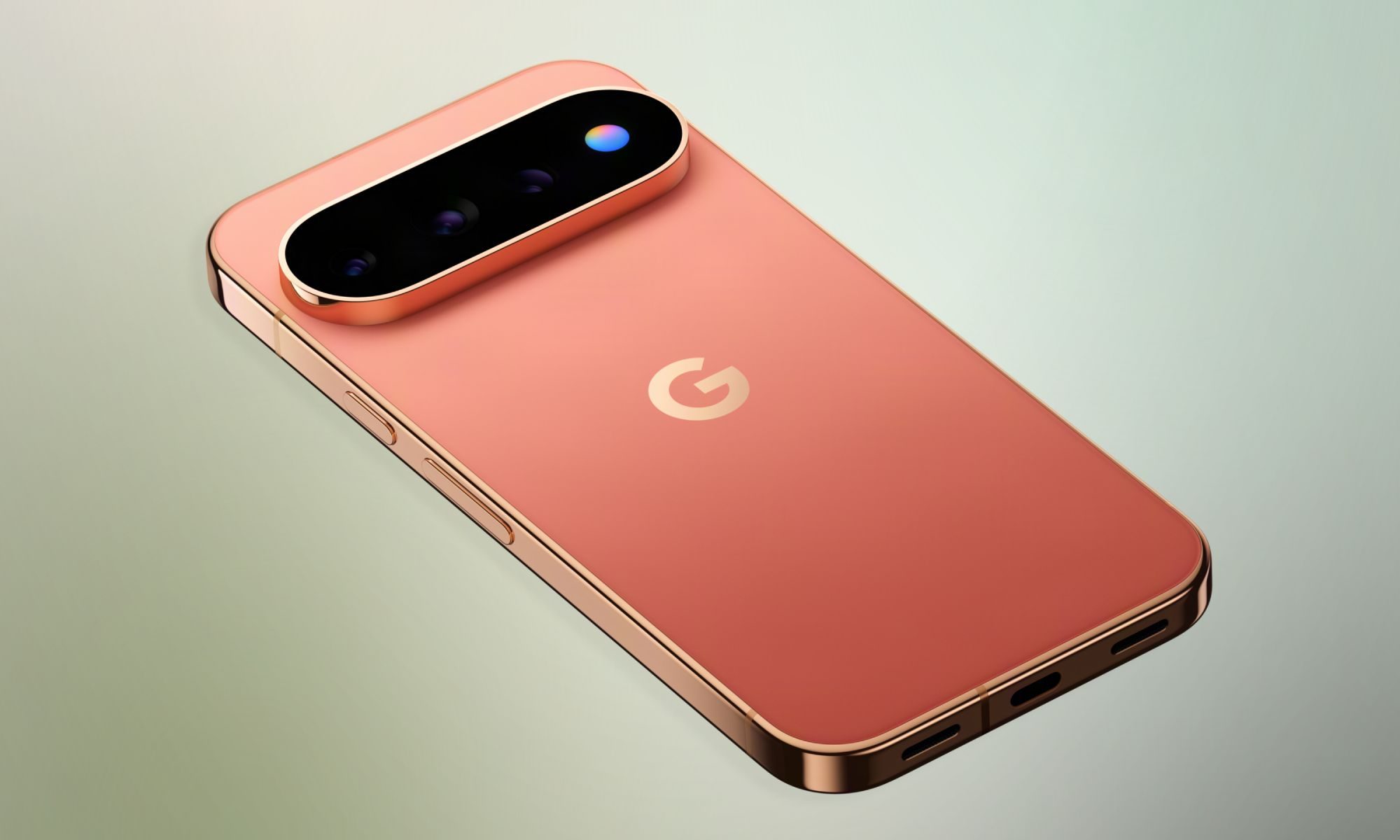
HiLight is another headline feature, though it’s exclusive to the Pro models. Think of it as a colorful notification LED built into the flash, though it only supports two features at launch. It can either light up to signal incoming calls from favorite contacts or to show when Gemini is listening, thinking, or responding.
The Pixel Camera gets two additions across every model as well. Magic Capture takes photos and records a video simultaneously with just one tap, and automatically crops and sharpens a shareable result. Camera Looks lets users save custom color and film presets for photos.
All four phones ship with Android 17 and are covered for seven years of OS, security, and Pixel Drop updates. The Pixel 11 Pro, Pro XL, and Pro Fold also come with six months of Google AI Pro at no extra cost, offering expanded Gemini usage limits, 5TB of cloud storage, and Google Health Premium.
Google Pixel 11
On the design front, the base Pixel 11 gets a camera bar that’s 40% thinner than its predecessor, but its overall footprint remains largely the same. The device measures 6.0 x 2.8 x 0.3 inches and weighs 6.9 ounces, and still features a polished glass back, satin aluminum frame, and an IP68 rating for dust and water resistance.
Its 6.3-inch Actua OLED display has a 1080x2424p resolution, a 60-120Hz refresh rate, and a peak brightness of 3,000 nits, along with Gorilla Glass Victus 2 protection. The Tensor G6 is paired with 12GB of RAM and either 256GB or 512GB of storage, and the hardware is backed by a 4,985mAh battery that supports 30W wired and 25W wireless charging.

On the back, it has a new 48MP main sensor that Google says lets in 56% more light than the Pixel 10’s primary camera. A 13MP ultrawide and 10.8MP 5x telephoto camera round out the rear-facing triple camera setup, while a 10.5MP front-facing shooter handles selfies and video calls. Video capture is capped at 4K/60fps, and the Pixel Camera app offers new features such as Magic Capture and Camera Looks.
The Pixel 11 runs Android 17 out of the box and is covered for 7 years of OS, security, and Pixel Drop updates. As for connectivity, the device offers Wi-Fi 6E, Bluetooth 6, 5G, and USB-C 3.2.
Google Pixel 11 Pro and Google Pixel 11 Pro XL
The two new Pro phones share almost the same spec sheet, differing mainly in screen size, battery capacity, and charging speed. Both use a Super Actua LTPO display with a 1-120Hz adaptive refresh rate, peak brightness of 3,600 nits, and a new coating over Gorilla Glass Victus 2 that doubles the scratch resistance compared to last year’s models. The Pro’s screen measures 6.3 inches and has a 1280 x 2856 resolution, while the Pro XL steps up to a 1244 x 2992 6.8-inch screen.
As for dimensions, the Pro measures 6.0 x 2.8 x 0.3 inches and weighs 7.2 ounces, while the Pro XL measures 6.4 x 3.0 x 0.3 inches and weighs 8.0 ounces. Both feature a matte glass back and polished aluminum frame, except for the Obsidian colorway, which ships with a matte frame instead. The devices are IP68 rated for dust and water resistance.

The Tensor G6 on both phones is paired with 12GB or 16GB of RAM and up to 1TB of storage. Battery capacity is where the two diverge most, with the Pro packing a 4,850mAh cell and the Pro XL packing a 5,115mAh cell, though Google rates both for 30+ hours on a single charge. Charging speeds also vary, with the Pro capped at 30W wired and 25W wireless, and the Pro XL going up to 45W wired and 25W wireless.
Camera hardware is identical between the two Pro models. A 50MP main sensor is paired with a 48MP ultrawide and a 48MP periscope telephoto offering 5x optical and up to 120x digital zoom. The devices also feature a 42MP front-facing camera that handles selfies and video calls. Video support tops out at 8K/30fps with Video Boost and Pro Stable Video support. As for camera features, the Pro models get a few additional upgrades over what the standard Pixel 11 offers, including Pro controls, a High-Res mode, and Instant Night Sight, which captures low-light shots up to 4.5 faster than on last year’s models.
Both phones run Android 17 with the same suite of software features and update commitment as the standard Pixel 11. On the connectivity front, the devices offer Wi-Fi 7, Bluetooth 6, a UWB chip, and USB-C 3.2.
Google Pixel 11 Pro Fold
The Pro Fold picks up the biggest physical changes in the lineup this year. It’s about 10% lighter and roughly 1mm thinner than the Pixel 10 Pro Fold, folding down to 6.1 x 3.0 x 0.4 inches and 8.4 ounces. A new gearless hinge pairs with a glass fiber composite back and a ceramic-glass outer display to make the phone three times more durable than last year’s model, according to Google, while IP68 water resistance carries over from the previous generation.
The device has a 6.5-inch Super Actua OLED cover screen with a 1080 x 2342 resolution and an 8-inch Super Actual Flex OLED inner display with a 2076 x 2152 resolution. Both support a 1- 120 Hz adaptive refresh rate and offer 3,600 nits of peak brightness, making them 25% brighter than the Pixel 10 Pro Fold’s displays.

Tensor G6 and Titan M3 handle performance and security, paired with 16GB of RAM and up to 1TB of storage. There’s a 4,750mAh battery that’s rated for 24+ hours of use on a single charge, along with 30W wired and 25W Qi2.2 wireless charging support. On the camera front, the device features a larger 48MP main sensor that Google says takes in 56% more light than the Pixel 10 Pro Fold’s main camera. A 10.5MP ultrawide and 10.8MP telephoto round out the rear array, with dual 10MP front-facing cameras handling selfie duties.
The Fold’s shape unlocks a few tricks the other models can’t do. Dual Screen Preview lets a subject see themselves on the cover display while their photo is being taken, and Rear Camera Selfie uses the higher-resolution main camera by having the subject frame themselves on the outer screen. Made You Look plays animations on the cover screen to get kids or pets to look at the camera, and tabletop mode props the phone up for hands-free shots.
Software-wise, the Pixel 11 Pro Fold is largely the same as the other models in the lineup, except for foldable-specific features like split-screen view, Bubbles, and Drag and Drop support.
The Pixel 11 series is more of an evolution than a reinvention, but there are enough upgrades to make this year’s lineup worth a closer look. The new Tensor G6, brighter displays, improved cameras, seven years of software support, and Gemini Intelligence give the phones a stronger foundation, while the Pro models get extras like HiLight and more advanced camera features. The higher prices may be harder to swallow, but with 256GB now standard across the lineup, Google is at least giving buyers more storage to go with the increase. If you’re coming from an older Pixel, the Pixel 11 series has plenty to offer. For Pixel 10 owners, however, the improvements are more incremental, making an upgrade harder to justify.
For more info on how the Pixel 11 series stacks up against last year’s models, check out our in-depth comparison.