Google has launched its highly anticipated update to its midrange smartphone with the Google Pixel 4a 5G. A lot of what you need to know about this latest release is right in the name as Google brings its 5G tech to the Pixel line. If you’re in the market for a Google Pixel, you might be wondering if you should spring for the Pixel 4a 5G or pick up a discount with the cheaper Pixel 4a. We’ll be taking a look at these two devices and comparing them side by side to help you make that decision.
Specs
| Pixel 4a | Pixel 4a 5G | |
| Size | 144 x 69.4 x 8.2 mm (5.67 x 2.73 x 0.32 inches) | 169.2 x 72.6 x 8.2 mm (6.1 x 2.9 x 0.3 in) |
| Weight | 143 grams (5.04 ounces) | 168-171 grams |
| Screen size | 5.8-inch AMOLED | 6.2-inch OLED |
| Screen resolution | 2340 x 1080 pixels (443 ppi) | 2340 x 1080 pixels (413 ppi) |
| Operating system | Android 10 | Android 11 |
| Storage | 128GB | |
| MicroSD card slot | No | No |
| Tap-to-pay services | Google Pay | Google Pay |
| Processor | Snapdragon 730 | Qualcomm SDM765 Snapdragon 765G 7nm |
| RAM | 6GB | 6GB |
| Camera | 12.2-megapixel rear, 8MP front | Dual 12.2MP and 16MP telephoto rear, 8MP front |
| Video | 4K at 30 frames per second, 1080p at 120 fps | 4K at 30/60fps, 1080p at 30/60/120/240fps |
| Bluetooth version | 5.1 | 5.0 |
| Ports | USB-C, headphone jack | USB-C |
| Fingerprint sensor | Yes, rear-mounted | Yes, rear-mounted |
| Water resistance | No | No |
| Battery | 3,140mAh
Fast charging (18W) |
3,885 mAh
Fast Charging (18W) |
| App marketplace | Google Play Store | Google Play Store |
| Network support | Most major U.S. carriers | Most major U.S. carriers |
| Colors | Just Black | Just Black |
| Prices | $349 | $499 |
| Buy from | Google, Verizon, US Cellular | Google Store |
| Review score | 4 out of 5 stars | News |
Design, display, and durability
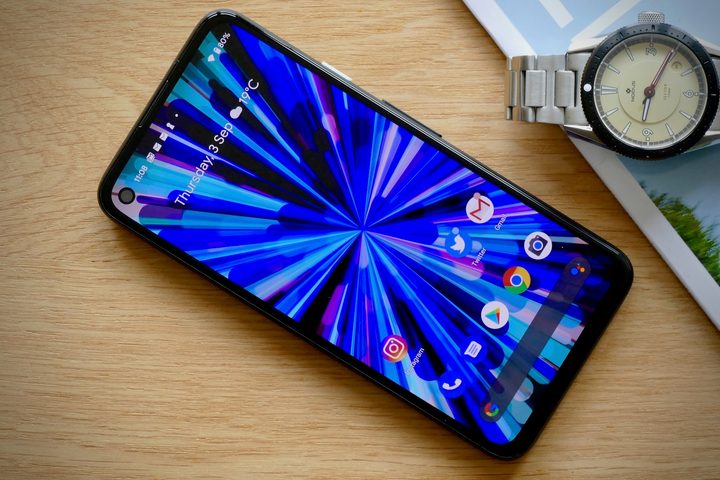
While the Pixel 4a 5G may be an early mid-cycle refresh, many of its core hardware components have remained the same. The display is still sporting the 2340-by-1080-pixel resolution of its non-5G counterpart, but, interestingly, the pixel density has dropped a bit, due to the increase in display size from 5.8 inches to 6.2 inches. It could be argued that this means the 4a 5G actually takes a step down in screen quality, but we doubt it would be perceptible, and users will likely relish the extra room for photos and videos.
The 4a 5G carries the same gorilla glass front and plastic back and frame as the non-5G version, so there’s no real change there. In a vacuum, if 5G isn’t important to you then you might not find a stark contrast on design, display, and durability alone.
It’s a tough category to call, but on reflection, we think most people will appreciate the Pixel 4a 5G’s larger screen — but it’s a close contest.
Winner: Google Pixel 4a 5G
Performance, battery life, and charging
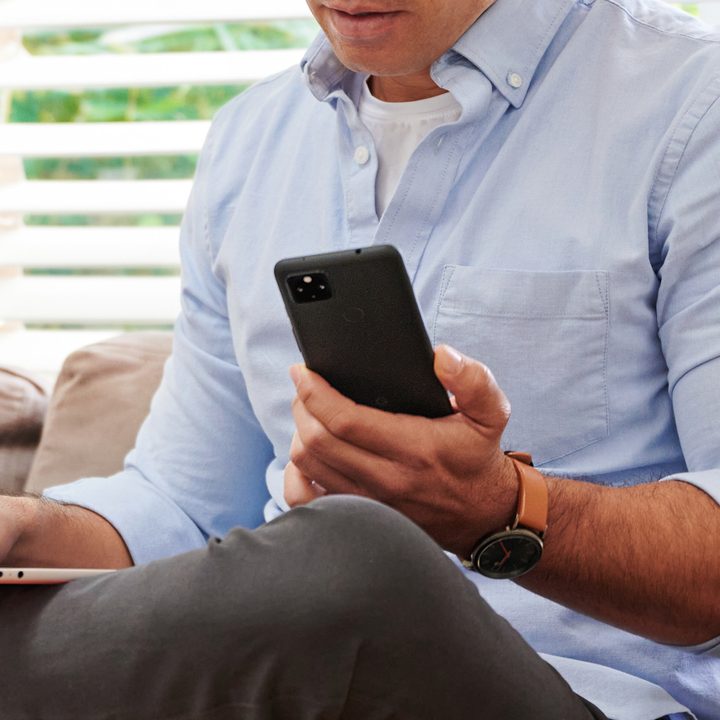
The Pixel 4a 5G is getting a modest upgrade in processing power, thanks to an upgrade from the Snapdragon 730G to the 765G — a necessary addition for 5G. The amount of RAM on board remains, and performance should be comparable between the two devices. Google did take the opportunity to add a larger battery, and the Pixel 4a 5G will launch with about 700 more mAh than the Pixel 4a — which should presumably give it a longer battery life.
Both devices retain the exact same charging capability, namely 18W fast charging, and no wireless charging. The differences are, again, small, but they are on the side of the Pixel 4a 5G.
Winner: Google Pixel 4a 5G
Cameras
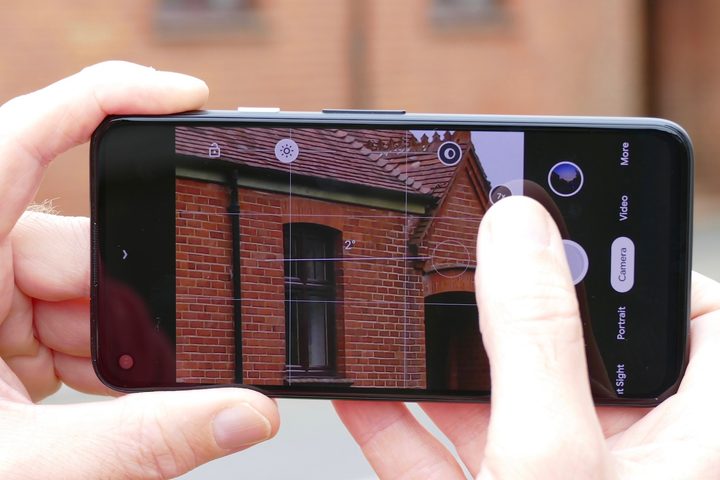
The Pixel 4a 5G has the same 12.2-megapixel camera found in the Pixel 4a. We already know that this lens, combined with Google’s stellar camera software and digital enhancements, offers stunning photography. This is impressive for a device in the midrange of smartphones. This experience should only be enhanced with the new addition of a 16MP ultra-wide-angle camera, exactly like the one featured on the higher price point Pixel 5. This additional camera lens should give the Pixel 4a 5G an edge over the Pixel 4a.
While both the 5G and non 5G 4a feature the same selfie camera, the main cameras on the Pixel 4a 5G are capable of taking 4K video at both 30 fps and the now faster 60 fps, whereas the non-5G version only captures 4K at 30 fps. The Pixel 4a 5G takes this round strongly.
Winner: Google Pixel 4a 5G
Software and updates
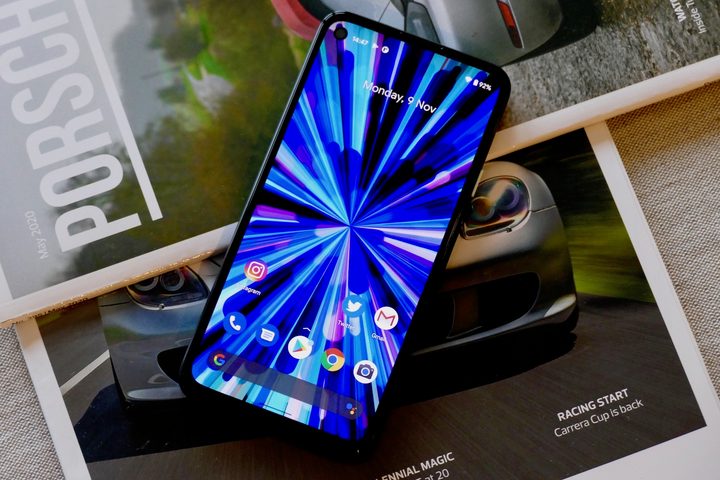
While the Pixel 4a 5G will be shipping with Android 11, the regular Pixel 4a is also capable of upgrading to Android 11 from Android 10. Both devices are likely to get the same fast updates and upgrades, and are likely to be supported for a long time. There’s no difference at all here.
Winner: Tie
Special features
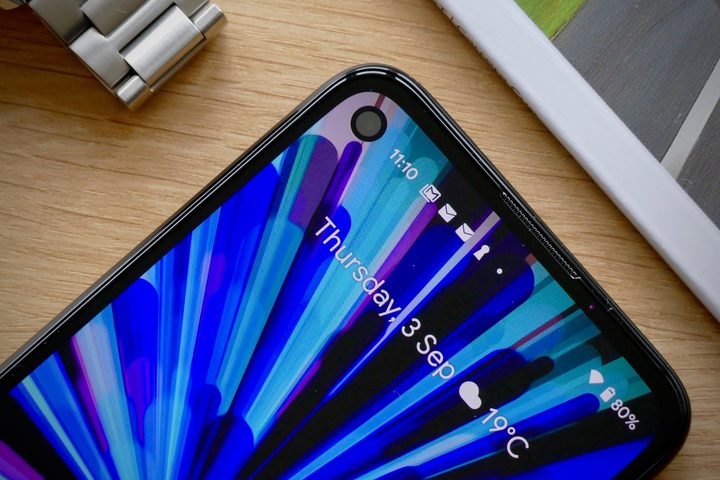
Since 5G is not yet ubiquitous across all smartphones, we feel it’s worth calling 5G what it is: A special feature. Most major carriers in the United States are still building out their 5G networks, and even companies like Verizon, which is ahead of many competitors in its infrastructure, are still just scratching the surface of what 5G is capable of. The Pixel 4a 5G is somewhat future-proofed as 5G spreads across the country, and for now may offer slightly boosted speeds over your 4G LTE device in some major metro areas. It’s neat to be part of the cutting edge of cellular tech, and if that’s for you, then you’ll love the new Pixel 4a 5G.
Aside from 5G, both devices offer the same special features, including the A.I.-powered Call Screen, meaning this is another win for the Pixel 4a 5G.
Winner: Google Pixel 4a 5G
Price and availability
The Google Pixel 4a is currently available in the U.S., and it costs $349. The Pixel 4a 5G also available now, and starts at $499 on major carriers and directly from Google.
Overall winner: Google Pixel 4a 5G
The Google Pixel 4a 5G is one of the first in its class of 5G devices, and with other major competitors’ 5G-enabled devices rumored to launch at much higher price points (ahem, Apple), the 4a 5G presents perhaps the best opportunity to get your foot in the door for the next generation of cellular connectivity. When compared to the regular Pixel 4a, the increased price seems justified when measured against improved cameras, a larger screen, and a future-proofed device.