

Huawei just dropped its new tri-fold as a spectacular piece of hardware. The redesigned Mate XT 2 has a 10.2-inch folding display, a tougher inward-folding mechanism, and a jaw-dropping price tag. But now that Huawei has revealed the full specifications, one of its most interesting features has little to do with the screen.
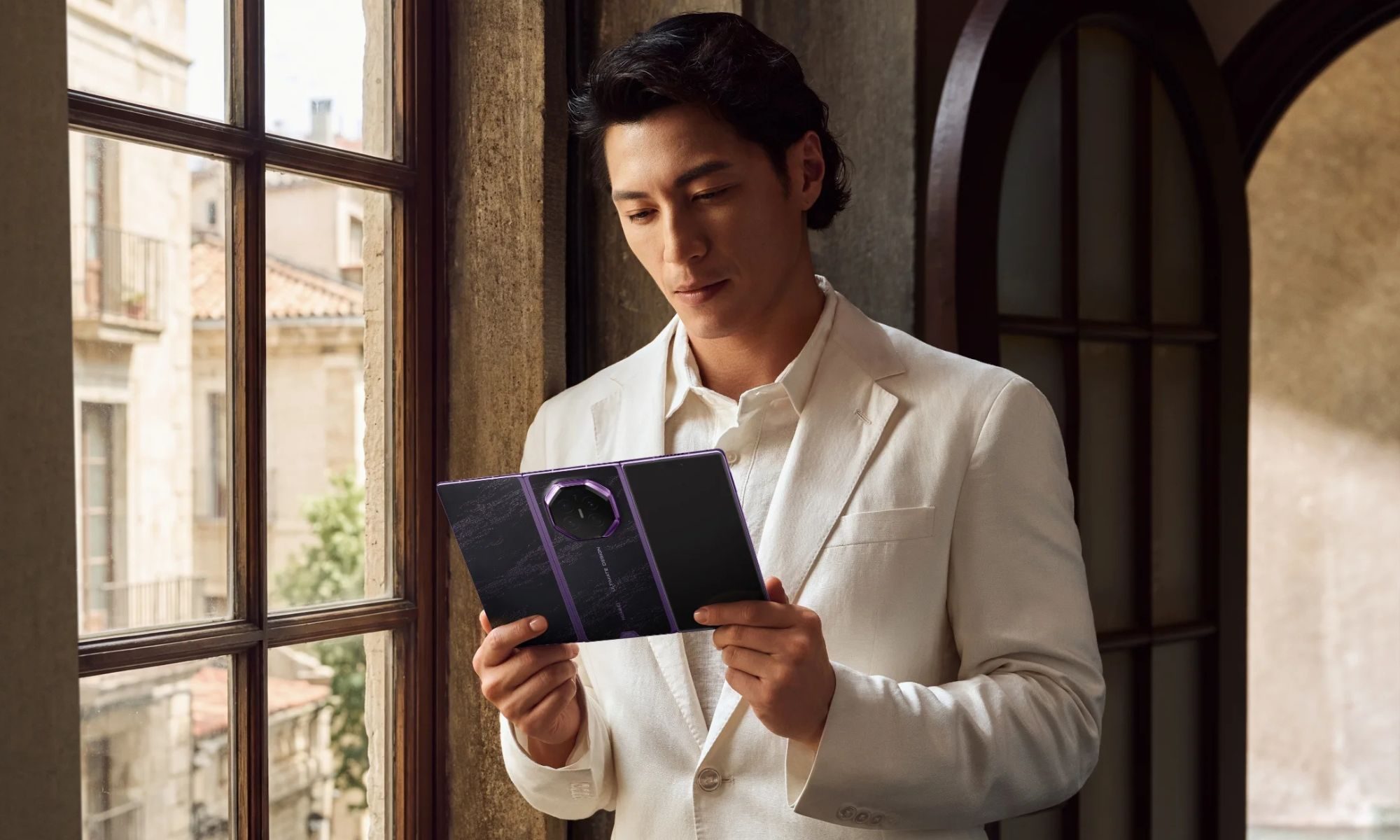
The Mate XT 2 can record an electrocardiogram, or ECG, using electrodes built into its metal frame. So if a user unfolds the phone and holds the two sides with both hands, the device can capture a 30-second reading. The accompanying software then generates an ECG report that can flag sinus rhythm, atrial fibrillation, premature ventricular contractions, and premature atrial contractions in adults.
While the Pixel 11 Pros are getting rid of their niche features, Huawei seems to be reviving a cool feature from the early Galaxy days. It also makes me wonder why more smartphone manufacturers abandoned the idea of building health sensors directly into their phones.

We’ve seen heart sensors on phones before
Samsung was experimenting with this more than a decade ago. The Galaxy S5, launched in 2014, had a heart-rate sensor beneath its rear camera. You placed a finger over it and used S Health to measure your pulse. Samsung subsequently carried similar hardware into other Galaxy models, including the Note 4.
More recently, Infinix brought the idea back with the Note 60 Pro, including its Pininfarina Edition. Its side-mounted Advanced Health Monitor can measure heart rate, blood oxygen, and heart-rate variability, with the results managed through the My Health app. It is a neat little feature, especially on a phone where that side sensor could easily be mistaken for a camera shutter button.
Huawei’s implementation goes even further. Those earlier sensors primarily measure pulse-related information, while an ECG records the heart’s electrical activity and provides information about its rhythm.
How the frame plays an important part
The Mate XT 2 uses its two side frames as electrodes, so there is no separate sensor pad to find. Huawei also uses its Xiaoyi AI assistant, which interprets ECG data and generates a report with personalized guidance. Although the integration requires a software update. The company explicitly states that the AI-generated information is for reference and is not intended for diagnosis or treatment.
A phone-based ECG could be useful for capturing an occasional reading or sharing information with a medical professional, but it is definitely not a substitute for a clinical ECG or a proper medical evaluation. Huawei has not announced international availability for the Mate XT 2, so there is also no confirmation of which markets would receive the ECG feature or whether additional regulatory approvals would be required.


