CES 2024 saw a wave of innovations in the AI space, and one of the most hyped was the Humane AI Pin which launched to much aplomb thanks to the founders’ previous work at Apple. Except, it quickly became clear that — despite raising hundreds of millions of dollars — the company had a battle to persuade people that this was the future.
I saw the Humane AI Pin at CES last year and at first, I was excited about a dedicated AI device. However, a high price tag, a required monthly subscription, and a lack of clear purpose made it
Yet, the writing was on the wall last year, and today it’s official: the company has today announced that it is killing the AI Pin. As part of an acquisition of the Humane assets by HP for $116 million — far less than the $230 million the company raised — the AI Pin is being discontinued and all servers will stop working next week.
Yes, your very expensive standalone AI gadget just became a paperweight. Here’s why the Humane AI Pin was destined to fail, and where I think the company completely missed the trick.
Problems from the start
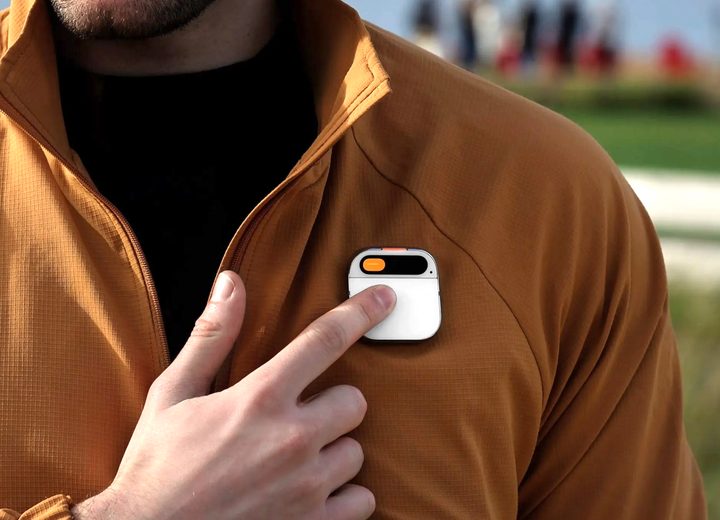
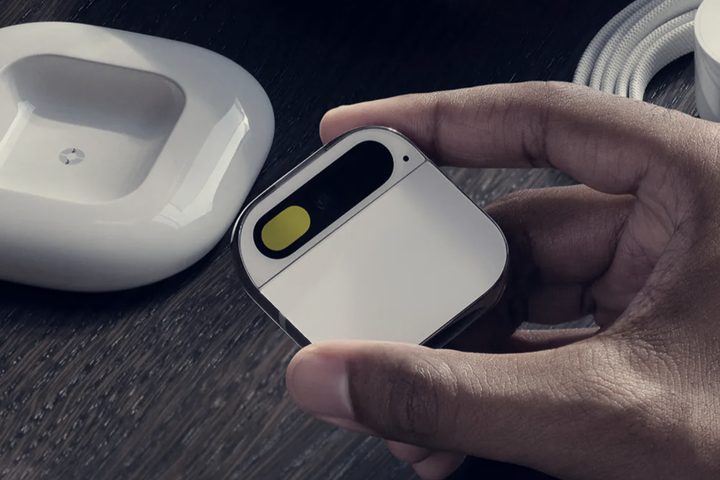
To understand the promise of the AI Pin, you need to first understand how the company positioned it. It was billed as a wearable computer that promised to free you from your smartphone, but at $699 upfront and a $24 per month subscription, it needed to offer a lot of features. All the initial reviews summarized it correctly: it just didn’t work.
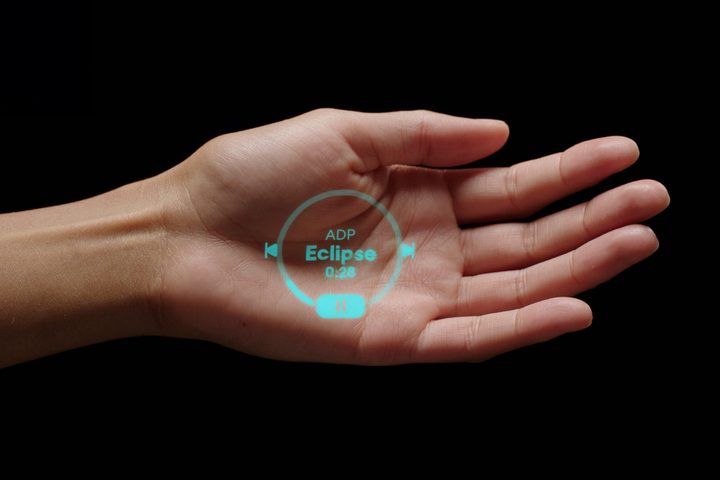
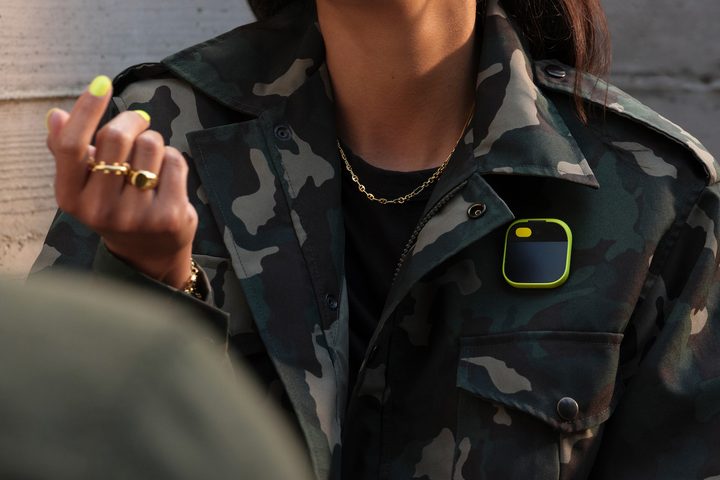
Imagine the smarts of your phone built into a small device without a screen, but a small projector that displays the information in the palm of your hand. When you need to input text, dial a number to make a call, calculate a tip, or do anything else, just ask the assistant on the AI Pin. These were lofty goals, and the company ultimately failed to even come close.
Where things got even murkier was that if you bought the AI Pin, the mandatory subscription wasn’t linked to your existing number in any way. There was also no way to transfer that subscription or sell the product to someone else, so you had to believe in the phone-less future, or at least believe the company’s marketing that this product was the future. It turns out that few people want this future.
A predestined failure thanks to a key error
The answer is fairly obvious, and one that I saw coming a year ago. During my nearly 20-year career in technology, I spent many years working directly with customers, and while the Humane AI Pin seemed like a cool product, it tried to change one heavily ingrained user behavior: the use of a phone screen.
The company predicted 100,000 sales in year one but achieved just 10% of this, and many of these were likely reviewers who wanted to understand the hype. On many occasions last year, I was one of these, but once the first reviews came out, it was clear that this product was a bust.
Considering that the Rabbit R1 standalone AI device launched at just $199 just weeks after the Humane AI Pin, it’s no surprise that the company has killed the product, it’s just a surprise that it took this long. As we found in our Rabbit R1 review, this product also isn’t the answer, but it works more as a companion for your phone than trying to replace it, which is the fundamental error that Humane made with its first product.
Why the Humane AI Pin was exciting and interesting
The reason that the AI Pin was interesting to me is fairly simple: we’ve all had numerous occasions where it’s inconvenient to pull out your phone to calculate something, jot down a note, or pull up navigation directions. Coupled with bigger displays that also drain the battery life of your phone, there is a real problem that needs to be solved.
Unfortunately, the Humane AI Pin is not the answer. Rather than approach it like Rabbit and build a companion for your phone — which likely would not have enabled them to raise anywhere near as much money — the company decided that no one needs a phone. Yet, the problem still exists.
The answer seems fairly straightforward, and it’s not one that most third-party companies can build. Instead, it’s down to companies like Google, Samsung, and Apple to build more useful AI features into your phone. We’re already seeing this with Google Gemini, Galaxy AI, and Apple Intelligence, but they still have a long way to go to solve the use cases for a product like the AI Pin.
Apple in pedigree, but not in nature
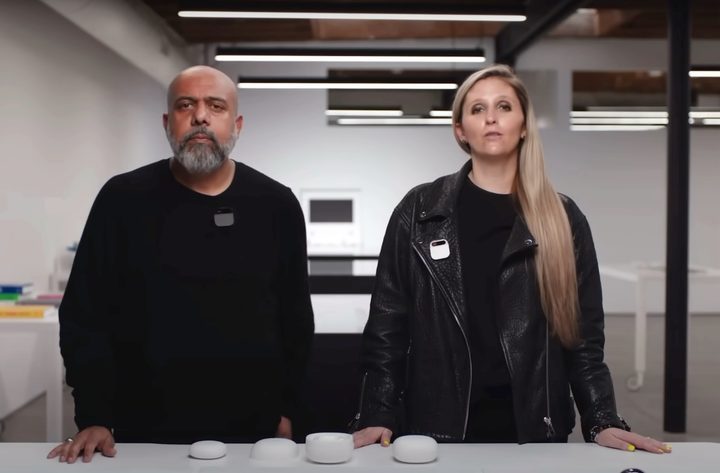
Humane was created by two ex-Apple engineers — Imarin Chaudri and Bethany Bongiorno — who both have undoubted pedigree in the technology space. While this pedigree helped the company raise $230 million in funding from some of the biggest companies in technology, it didn’t help them kickstart a visionary shift in the industry.
Apple has a pedigree for shifting consumer behaviors, with products like the iPod, iPhone, and Apple Watch inspiring, or revolutionizing entire industries. This was down to more than just the product, with the company laser-focused on precision marketing that made its products desirable.
In its online presence, Humane execs like Bethany were very vocal about extolling the benefits of the Humane AI Pin, and there’s no doubt that the company had some great feedback from actual users. However, these would have been outweighed by the sheer amount of negative feedback.
As Bethany tweeted: the company had a big (and nearly impossible) goal, which was made even harder as its biggest competition — the phone makers themselves — kickstarted the current trend of AI in smartphones.
Battling the giants without a giant budget
Ask any founder if raising $230 million in your first four rounds of funding is worthy and many will probably gladly accept it. Then ask the same people if they think it’s enough to compete in the hottest space against companies like Apple, Google, or Samsung, and the answer will be very different.
Ultimately, the Humane AI Pin was destined to fail as it tried to battle the biggest companies in the world with a fraction of the budget. To its credit, Humane has rolled out many new features over the past year, but it did so slower than the very phones it was trying to replace.
Humane tried to change the world with its first product but lacked the foresight to fit in the market first. Had it done so, the company may have found that it had grossly overestimated the demand for this product, and maybe, just maybe, it would be different today. Instead, its assets are now owned by HP; what’s the betting that Humane is the next Palm?