  1. Home
  2. Phones
  3. News

iPhone Duo’s biggest surprise isn’t the fold, it’s the camera you can’t see

Apple is taking a feature Samsung abandoned and using it to give its first foldable a cleaner inner display.

Add as a preferred source on Google
iPhone Duo two apps side by side
Apple

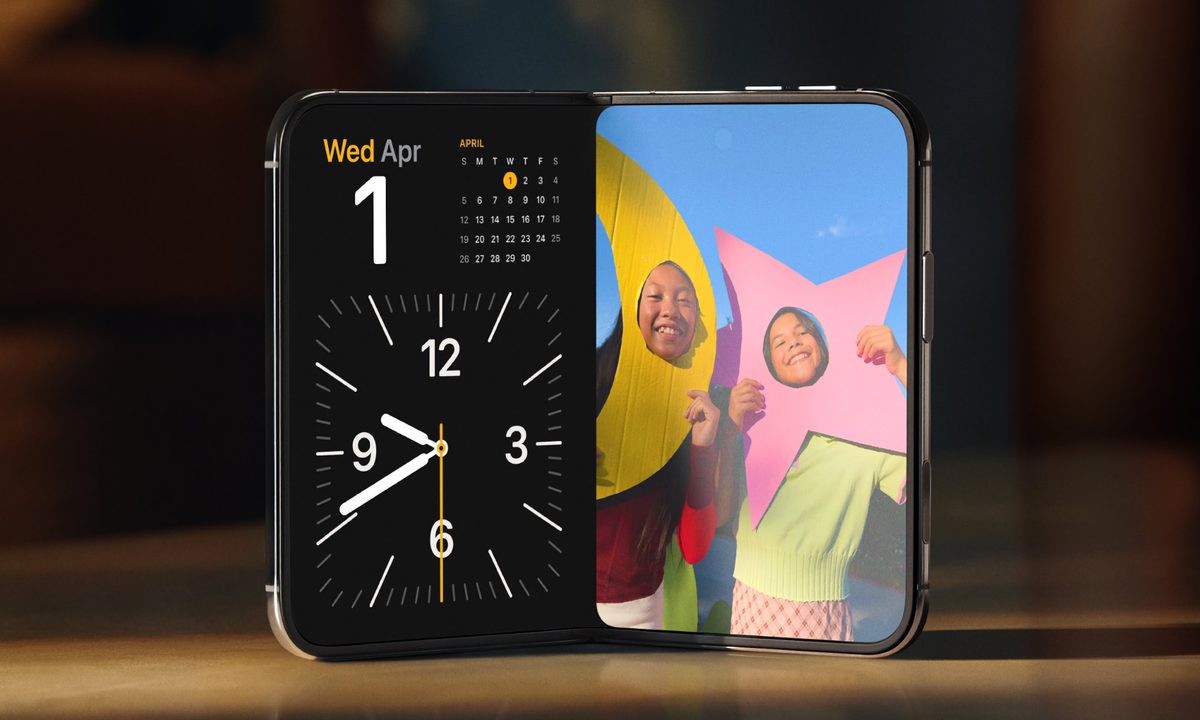
Apple just announced the iPhone Duo alongside the iPhone 18 Pro at today’s event, and it’s officially Apple’s first foldable iPhone. The device is packed with features, but there’s one addition nobody saw coming: an in-display camera on the inner screen.

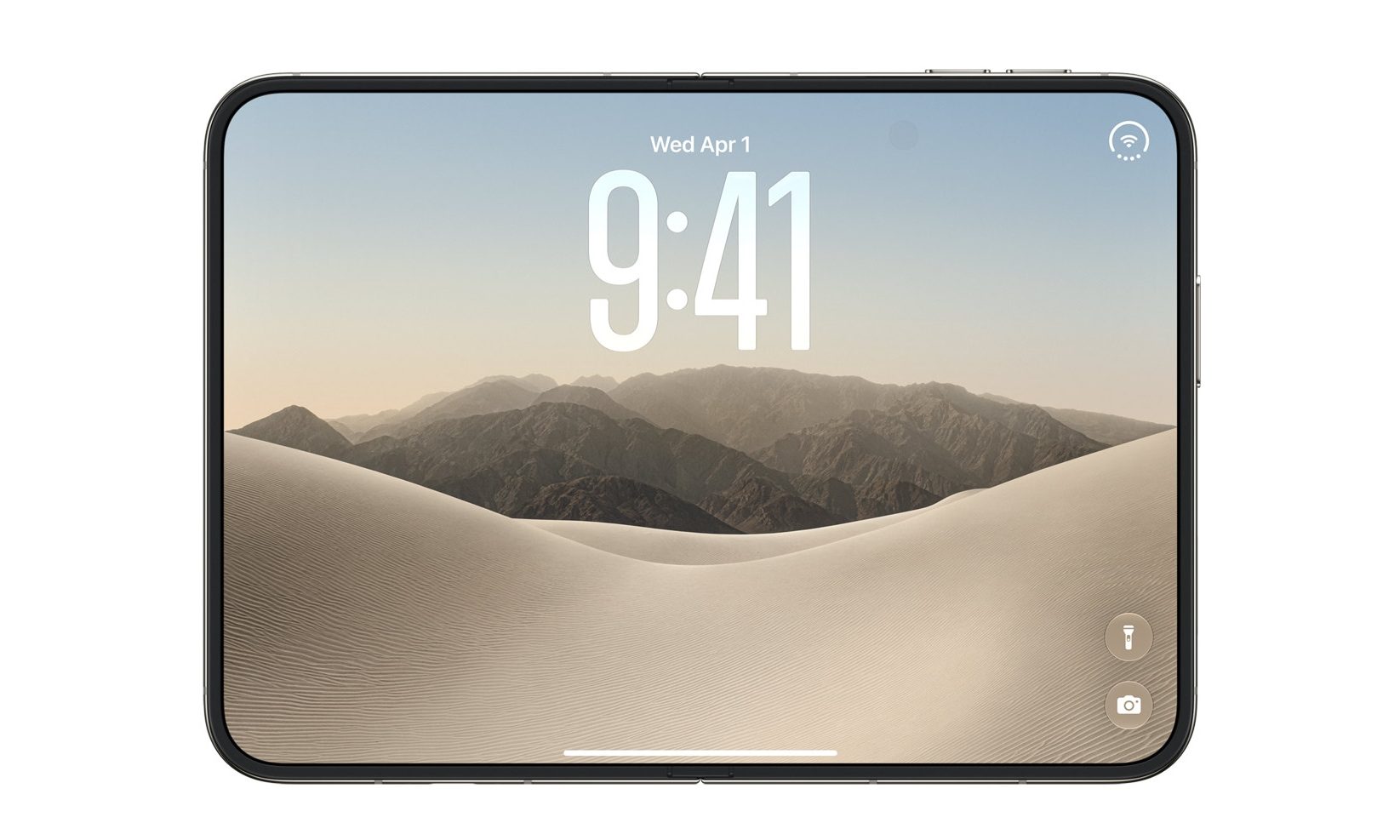
Yes, you read that right. Apple is hiding the selfie camera underneath the inner display, giving the iPhone Duo a flawless, edge-to-edge screen with no visible cutout or notch. The camera only becomes visible when it’s actually in use.

Samsung did it first, then gave up

To be fair, Apple isn’t inventing anything new here. Samsung beat Apple to the punch and introduced an under-display camera on its foldables years ago.
However, Samsung seems to have backed away from the idea. The company removed the under-display camera starting with last year’s Galaxy Z Fold 7, which gives the iPhone Duo a leg up over the competition, at least for now.

What it means for foldable fans

An in-display camera might sound like a small detail, but it’s exactly the kind of feature that makes a foldable feel premium. No notch, no punch hole, just a clean screen from edge to edge.

Recommended Videos

If Apple manages to pull this off without the usual under-display camera compromises, it could set a new bar for what a foldable display should look like, and give Samsung something to think about.

Rachit Agarwal
Rachit is a seasoned tech journalist with over ten years of experience covering the consumer technology landscape.
Google is building a “black box” for Android AI, but the agents aren’t inside yet
AISeal begins by securing personal context before bringing models and autonomous assistants into the vault
Gemini AI on a phone.

Google has introduced AISeal, a hardware-isolated vault for the personal data that Android AI assistants will need. It’s designed to protect that information even if an attacker compromises the phone’s main operating system.

Think of the “black box” as a locked workspace inside the phone. Google is starting with secure storage for personal context, such as messages and calendar events. AI models and autonomous agents are supposed to move into that workspace later.

Read more
The phone that let me play Ghost of Tsushima is getting a sleek sequel
I pushed Red Magic’s last gaming phone to its limits. Now, we know what the next-gen model looks like
Red Magic 12 Pro+ Featured

I've already seen how far Red Magic lets you push a smartphone. When I reviewed the Red Magic 11S Pro, I threw benchmarks, emulation, extended gaming sessions, and eventually the PC version of Ghost of Tsushima at it. With some tweaking, I even saw the game climb beyond 40fps and occasionally touch 60fps in Diablo mode.

The experiment wasn't always stable, but watching a phone run AAA titles is just insane. Now, we finally have an official look at what the brand is building next, and I'm excited to say the least. Red Magic has revealed the full exterior of the upcoming RedMagic 12 Pro+ ahead of its October 15 launch in China. The phone will come in Transparent Dark Night, Transparent Silver Wing, and Transparent Ice Blue, with the company's visible RGB liquid-cooling hardware once again proudly showing through the rear panel.

Read more
Samsung is reportedly making 30% fewer phones because selling them isn’t paying off anymore
AI companies are swallowing up memory supplies, sending smartphone component costs soaring and forcing Samsung to rethink how many phones it builds.
Symbol, Text, Number

Samsung is about to make a lot fewer phones, and the reason has nothing to do with demand. According to a report by Money Today, the company's Mobile eXperience (MX) division has started scaling back smartphone output for the last three months of the year, and the cut could be as deep as 30%.

Sources in the industry say Samsung has told its suppliers to ship 20% to 30% fewer components. That's far more aggressive than what IDC had in mind. The research firm expected Samsung's output to slip from 59 million phones in the third quarter to 52 million in the fourth, which works out to a dip of roughly 12%.

Read more