  1. Home
  2. Phones
  3. Apple
  4. Business
  5. Mobile
  6. News

New iOS update will lock Lightning port to prevent unauthorized access

Add as a preferred source on Google
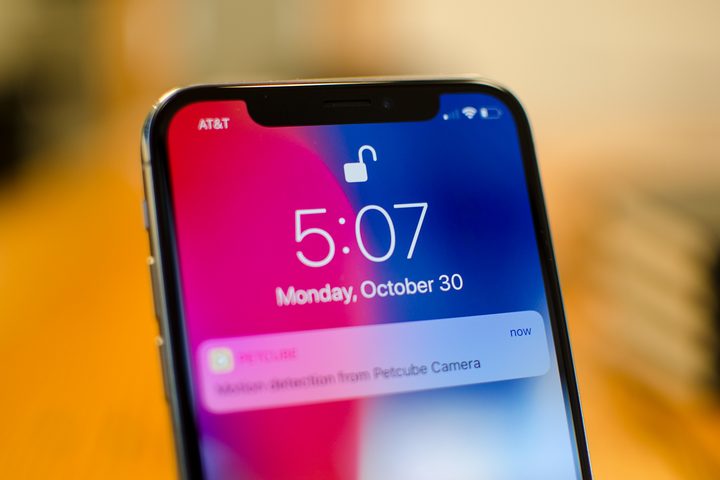
Apple iPhone X Review
Julian Chokkattu / Digital Trends

The next iOS update will see Apple take another step in the game of technological cat and mouse it has found itself playing with law enforcement, with the introduction of an iOS feature that locks a device’s Lightning port after a certain amount of time has passed.

The new feature was discovered in the beta build of iOS 11.4, which has recently become available to developers ahead of a full release to consumer devices. Named “USB Restricted mode,” the feature will kick in after a seven days, if the device has not been unlocked or connected to a paired computer. When activated, USB Restricted mode closes down all usage of the Lightning port, except for basic charging.

Recommended Videos

This seems to be a move against various law enforcement agencies, and against bad actors, who would seek to gain access data on a device after confiscating or otherwise getting physical control of the device. This feature had previously been seen in the iOS 11.3 beta build, but was dropped before the main release of the update.

This would also seem to be a move against devices like the GrayKey box, an otherwise unassuming grey box that can completely unlock an iPhone in a short time. iOS 11.4’s added security measure will presumably put a time limit on how long these sorts of devices can be used. It’s also important to note that the amount of time available until the device goes into lockdown also won’t be known, since it would usually be impossible to know how long it has been since a device was last used or connected to a computer.

Products such as the GrayKey are only needed because of the stances that many technology companies have on user privacy, and the role that smart devices play in law enforcement. Apple in particular has a long history of resisting attempts from law enforcement agencies to gain data from a locked device. Apple and the U.S. FBI were embroiled in a fierce legal debate in 2016 over Apple’s refusal to help the FBI to decrypt a mass murder suspect’s iPhone. The legal challenge was dismissed after the FBI was able to find a different way to access the phone without Apple’s help, but Apple’s continued stance against snooping on its users is presumably what prompted the Cupertino, California giant to push forward with this particular feature.

Mark Jansen
Former Mobile Evergreen Editor
Mark Jansen is an avid follower of everything that beeps, bloops, or makes pretty lights. He has a degree in Ancient &…
Apple’s iPhone Handoff is expanding, and Verizon is charging twice as much as T-Mobile
Carrier support is growing for Apple’s shared eSIM feature, and monthly pricing now ranges from free to $10.
Electronics, Mobile Phone, Phone

Apple introduced iPhone Handoff at WWDC 2026 as part of iOS 27, giving people who regularly carry two iPhones a way to keep the same phone number on both devices. Instead of moving an eSIM back and forth manually, Handoff lets one iPhone act as the main device while a second gets a companion eSIM tied to the same number.

The feature arrived with iOS 27, but Apple cannot enable it on its own. Carriers have to support the shared eSIM setup on their networks, which means availability and pricing depend on who provides your cellular service.

Read more
Qualcomm says Snapdragon 8 Elite Extreme Gen 6 isn’t overheating, despite Galaxy S27 Ultra rumours
The company says the reports are inaccurate, but Samsung's alleged concerns about sustained performance aren't going away just yet.
Snapdragon 8 Elite Extreme Gen 6 chipset

Qualcomm isn't taking kindly to reports that its next flagship smartphone chip is running too hot for Samsung's liking. The company has dismissed claims that the Snapdragon 8 Elite Extreme Gen 6 is overheating during internal testing for the Galaxy S27 Ultra, calling the reports inaccurate. The denial comes just a day after reports suggested Samsung could ditch Qualcomm's chip in favour of its own Exynos 2700.

Qualcomm pushes back against overheating claims

Read more
Apple is tightening App Store rules to stop AI apps from digitally undressing people
The updated guidelines target nonconsensual intimate images and apps that hide harmful features until after approval.
Apple App Store icon on Apple iPhone with 5G

Apple is tightening its App Store rules to crack down on AI nudify apps that generate sexually explicit images of real people without their consent. The updated guidelines require developers to proactively prevent and remove nonconsensual intimate imagery, including content generated using AI tools. The move comes months after San Francisco officials demanded that Apple and Google remove such apps. Now, Apple is making its expectations clearer, including what happens when developers try to sneak harmful features past its review process.

Apple wants developers to do more than simply ban nudify features

Read more