
Samsung has unveiled its latest and greatest flagship phone, the Samsung Galaxy Note 9. The new device features a beautifully big display, top-tier specs, and should be at least as good as any other flagship from this year, if not a whole lot better.
But there’s one flagship phone that could still beat the Galaxy Note Note 9, and it’s not even from this year. This is a classic case of Android vs iOS. Can the Samsung Galaxy Note 9 beat out the iPhone X? We put the two phones head to head to find out.
Specs
| Samsung Galaxy Note 9 | Apple iPhone X | |
| Size | 161.9 x 76.4 x 8.8 mm (6.37 x 3.00 x 0.35 inches) | 143.6 x 70.9 x 7.7 mm (5.65 x 2.79 x 0.30 inches) |
| Weight | 201 grams (7.09 ounces) | 174 grams (6.14 ounces) |
| Screen Size | 6.4-inch Super AMOLED display | 5.8-inch Super Retina AMOLED display |
| Screen Resolution | 2,960 x 1,440 (516 pixels-per-inch) | 2,436 x 1,125 pixels (458 pixels-per-inch) |
| Operating System | Android 8.0 Oreo | iOS 11 |
| Storage Space | 128GB, 512GB | 64GB, 256GB |
| MicroSD Card Slot | Yes | No |
| Tap To Pay Services | Google Pay | Apple Pay |
| Processor | Qualcomm Snapdragon 845 | A11 Bionic |
| RAM | 6GB, 8GB | 3GB |
| Camera | Dual sensor 12MP rear, 8MP front | Dual sensor 12MP rear, 7MP front |
| Video | 2,160p at 60 frames per second, 1,080p at 240 fps, 720p at 960 fps | 2,160p at 60 frames per second, 1080p at 240 fps |
| Bluetooth Version | Bluetooth 5.0 | Bluetooth 5.0 |
| Ports | USB-C, Headphone Jack | Lightning |
| Fingerprint sensor | Yes | No |
| Water resistance | IP68 | IP67 |
| Battery | 4,000mAh | 2,716mAh |
| App Marketplace | Google Play Store | Apple App Store |
| Network support | T-Mobile, AT&T, Verizon, Sprint | T-Mobile, AT&T, Verizon, Sprint |
| Colors | Ocean Blue, Lavender Purple | Space Gray, Silver |
| Price | $1,000 | $1,000 |
| Buy From | AT&T, Verizon, T-Mobile, Sprint, Amazon, Samsung | AT&T, Verizon, T-Mobile, Apple |
| Review Score | 4 out of 5 stars | 4.5 out of 5 stars |
Performance, battery life, and charging

It’s always difficult to compare the performance of an Android phone with an iPhone, and that holds true here. The iPhone X features Apple’s A11 Bionic chip coupled with 3GB of RAM, while the Samsung Galaxy Note 9 boasts a Qualcomm Snapdragon 845 with either 6GB or 8GB of RAM. It also features a special water-cooling system, which should help the phone push the Snapdragon 845 that little bit further. What really matters, however, is day-to-day use — and thankfully both of these phones will perform perfectly well for the vast majority of users. We’ll have to wait for benchmarks from the Galaxy Note 9 to see which phone is truly the more powerful one.
In terms of battery life, the Samsung Galaxy Note 9 comes in with a 4,000mAh battery, which is far more than the iPhone X’s 2,716mAh battery. Still, considering the larger and more dense display, it’s possible the actual battery life could even out.
Both devices can be charged through the charging port, whether it be the Lightning or USB-C, and both also support wireless charging.
Winner: Tie
Design and durability
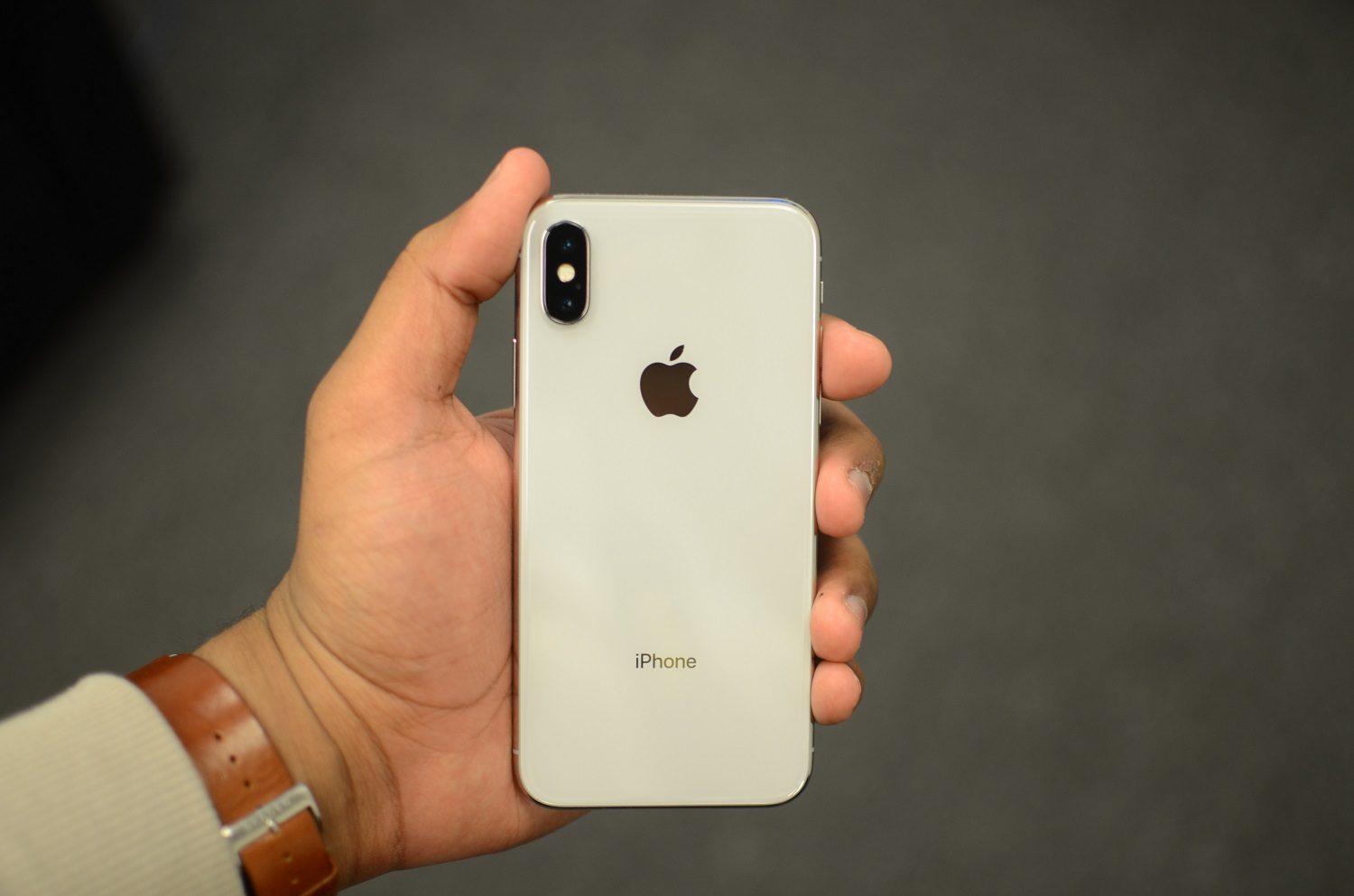
Apple has always been at the forefront of great design in the tech industry, and the iPhone X represents the culmination of a decade of iPhone development. It’s really a great-looking phone with a beautiful edge-to-edge display and a stunning glass back. The device does feature the infamous notch, though many have gotten used to that now, and most users of the device argue that it’s not really a big deal in day-to-day use.
The Galaxy Note 9 is a stylish device too, but it’s a very different-looking phone. It features a big display with curved edges on each side, and a glass back. Also on the back is a dual-sensor camera, and a fingerprint sensor — which is one thing that the iPhone X doesn’t have to offer. It’s worth noting that the Note 9 is significantly taller, wider, thicker, and heavier than the iPhone X.
When it comes to durability, neither of the phones is particularly drop-proof considering the abundance of glass used in their construction. They do both feature water resistance, however, with the iPhone X’s rating coming in at IP67, and the Samsung Galaxy Note 9’s rating coming in at IP68. The difference is that IP67 allows a phone to last up to 30 minutes in up to one meter of water, while IP68 means it can withstand 1.5 meters.
It’s hard to move past the beautiful design and edge-to-edge display of the iPhone X.
Winner: iPhone X
Display
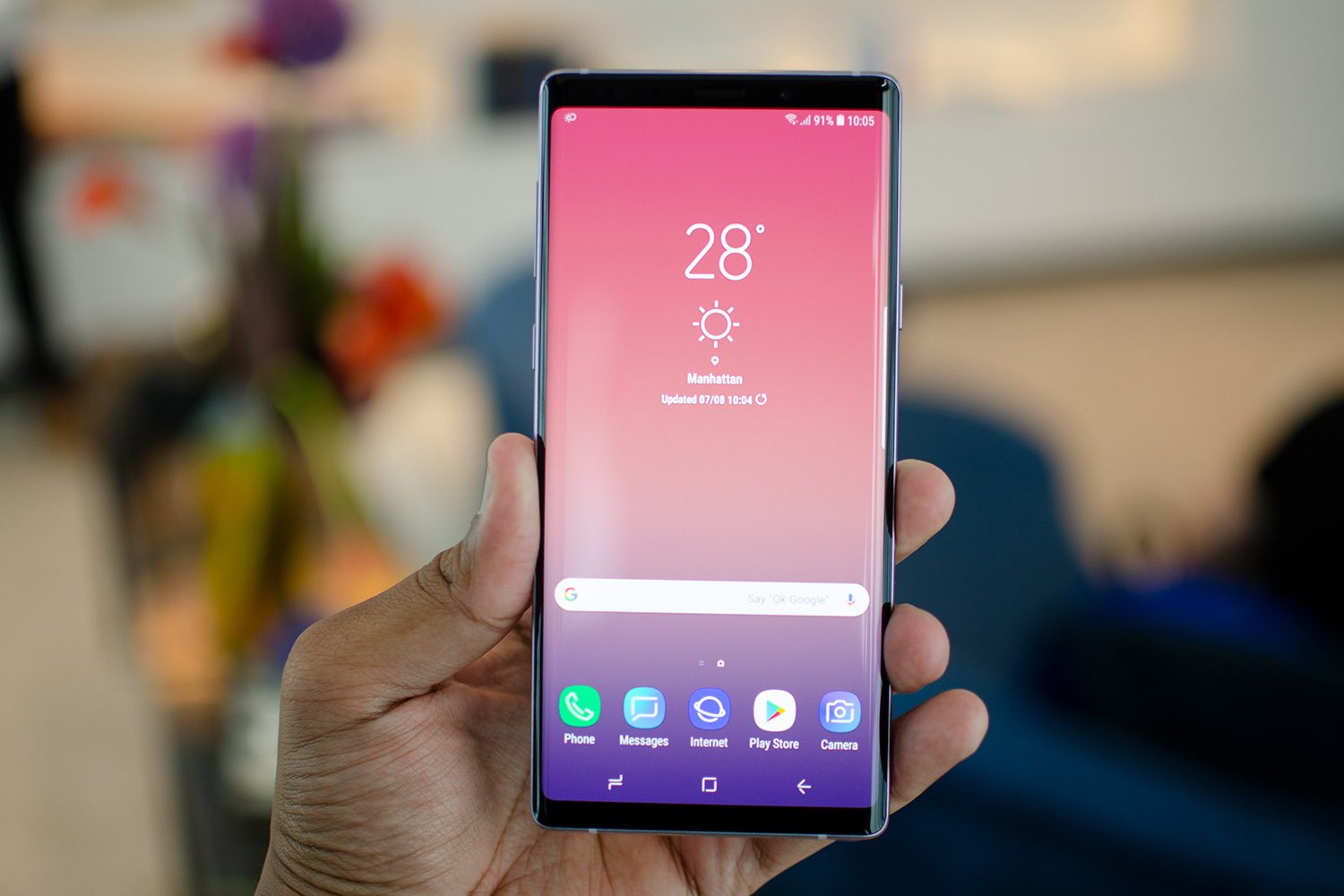
Apple has stepped things up with the display in the iPhone X, but Samsung has been putting top-tier displays in its phones for years now — and it shows here. While the iPhone X features an OLED display with a resolution of 2,436 x 1,125 pixels, the Samsung Galaxy Note 9 boasts an OLED display with a resolution of 2,960 x 1,440 pixels. Not only that, but the Note 9’s display is also much bigger, coming in at 6.4 inches, over the iPhone X’s 5.8 inches.
No matter how you look at it, the Samsung Galaxy Note 9 display is better in every way.
Winner: Samsung Galaxy Note 9
Camera
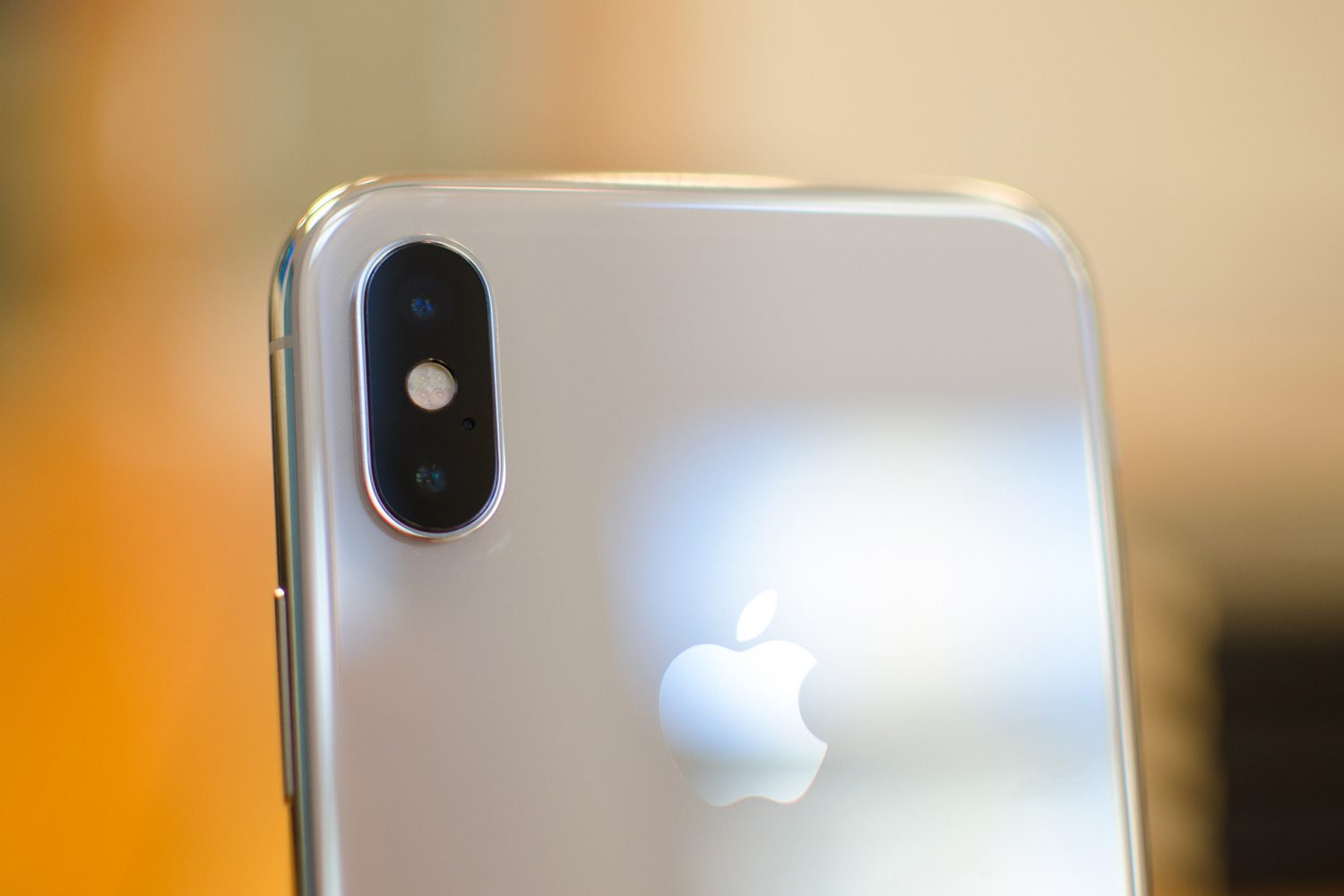
The camera is becoming increasingly important for smartphones, and both of these devices offer top-tier cameras. The iPhone is known for having a great camera, and while there has been increased competition in the past few years, the iPhone X still boasts an excellent camera that’s great at taking photos in a range of conditions. The camera on the iPhone X boasts a 12-megapixel wide-angle lens with an f/1.8 aperture, coupled with a 12-megapixel telephoto lens with an f/2.4 aperture. Both lenses offer optical image stabilization, and the front-facing camera comes in at 7 megapixels, but it offers a range of extra features, like Face ID, Animoji, among others.
The camera in the Samsung Galaxy Note 9 is also set to be pretty spectacular, though we’ll have to wait and see just how well it performs. The camera is a dual 12-megapixel camera, and both sensors offer optical image stabilization. One of the sensors has an adjustable aperture of f/1.5 to f/2.4, while the second sensor has an aperture of f/2.4. The front-facing camera on the device comes in at 8 megapixels. The hardware looks very similar to the S9 Plus camera, which is particularly good in low light, but Samsung has added some A.I. smarts that could elevate it even further. However, it has very tough competition in the iPhone X.
Both devices clearly have nice cameras, but we’re going to have to wait and see how well the Galaxy Note 9 performs. Until then, this one’s a tie.
Winner: Tie
Software and updates

When comparing an iPhone with an Android phone, software is always a point of debate. We’re not going to get into the whole Android vs. iOS debate here, but we can point out a few of the major differences between the two.
The iPhone’s iOS is known for being stylish and easy to use. Everything is pretty much where you expect it to be, and once you get used to how iOS works, you’ll be able to get around it very easily. There’s another big advantage to iOS: Apple controls both the software and the hardware of the iPhone, so that means that you’ll get updates as soon as they’re available, assuming your phone supports the update. That’s not true of Android, especially when it comes to non-Google smartphone manufacturers — like Samsung.
Still, there are some big advantages to Android, too. Android is generally a little more flexible. You can install apps from third-party sources if you want (though we don’t recommend it), and there are more settings and options to tweak. You can also customize where you want widgets to show up, and more. Samsung Experience user interface, which sits atop Android offers some handy extras, though it isn’t as slick as stock Android.
We’re not going to award a winner based on whether Android or iOS is better — but considering Samsung’s track record with updates, we are going to award one based on the fact that the iPhone X will get updates quicker. The iPhone X already has the latest version of iOS, whereas the Note 9 is launching with Android 8.0 Oreo, even though Android 9.0 Pie is out.
Winner: iPhone X
Special features
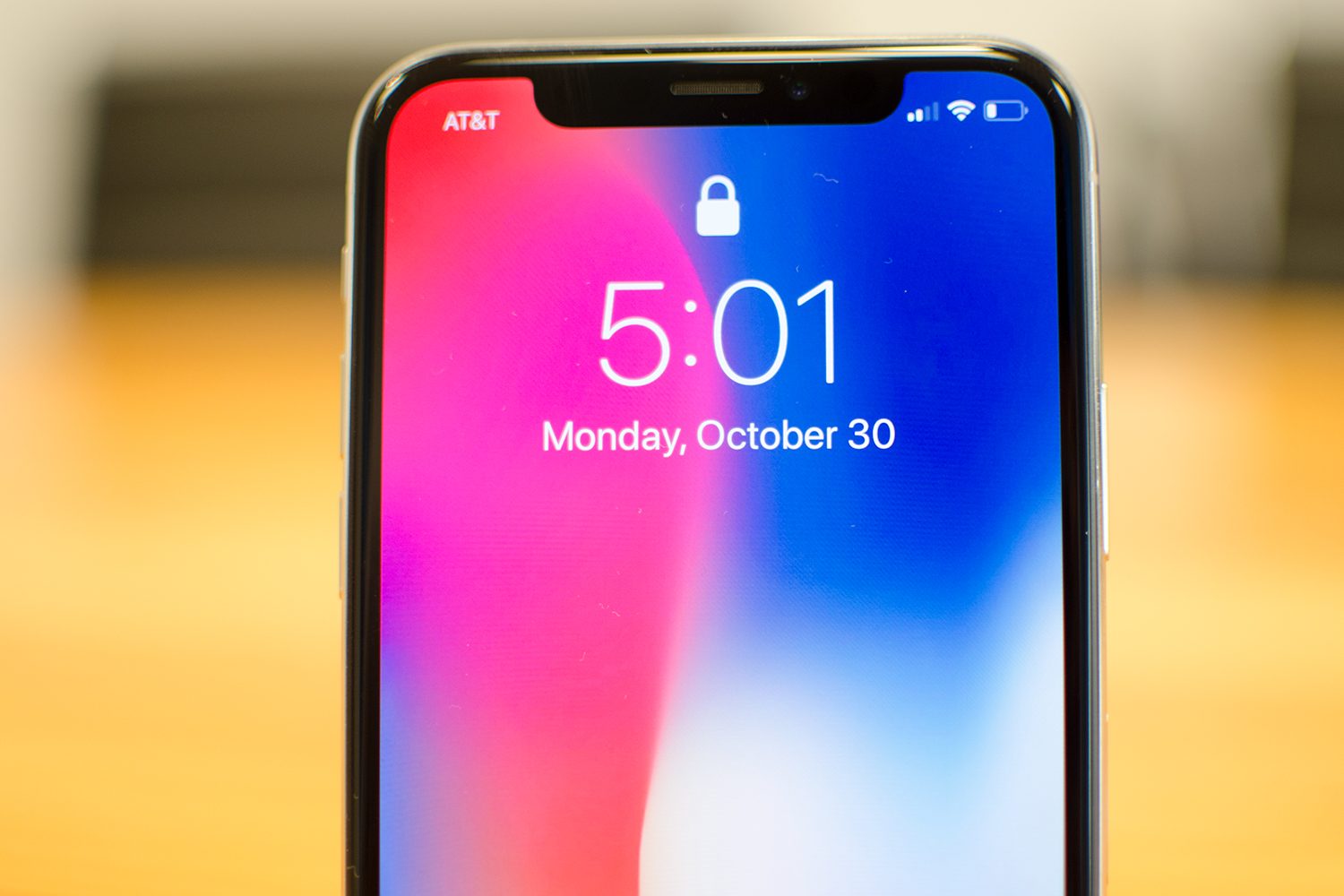
Both the Samsung Galaxy Note 9 and the iPhone X have a number of special features on offer, but they’re pretty different in many ways.
Let’s start with the iPhone X, which has a few special features. For starters, the iPhone X is the first iPhone to feature Face ID, Apple’s new facial recognition tech and the reason for the iPhone’s notch. Face ID essentially allows you to unlock your phone quickly and easily by simply looking at it. Then there’s 3D Touch, a way for users to interact with different aspects of their phone by pressing down on the display a little harder than they otherwise would.
Of course, the Samsung Galaxy Note 9 has its own fair share of special features. For starters, it supports Samsung’s DeX, which allows you to plug into a monitor and use the phone as a desktop computer replacement. The Note 9 also comes with Samsung’s S Pen, freshly equipped with Bluetooth, which can act as a remote control for the phone’s camera. We think the phone has a few more helpful special features than the iPhone X.
Winner: Samsung Galaxy Note 9
Price
Phones are getting increasingly more expensive, and these two devices represent some of the most expensive phones on the market. Both the iPhone X and the Samsung Galaxy Note 9 start at $1,000, which is no small amount. For the 256GB model of the iPhone X, you’ll need to shell out $1,150 — and for the 512GB Galaxy Note 9, you’ll pay $1,250. They’re widely available from all the major carriers and retailers so it’s worth shopping around for deals.
Overall winner: Apple iPhone X
Both the Samsung Galaxy Note 9 and the Apple iPhone X are excellent phones, and you’ll be happy with either of them, but we think the iPhone X is going to suit more people than the productivity-focused Note 9. If you prefer Android to iOS, and you think you’ll use features like the S Pen, then the Note 9 is the one for you. If this is your first smartphone, then we recommend going for the iPhone — it’s just a little easier to use, and probably a better choice for the first-time smartphone user.


