  1. Home
  2. Phones
  3. Wearables
  4. News

The tiny vibrations in your iPhone just cost Apple $5.7 billion in court

A jury sided with Taction in a years-long patent fight over haptic technology used across Apple devices

Add as a preferred source on Google
iPhone 17 Pro Max
iPhone 17 Pro Max Unsplash

The tiny vibrations in an iPhone are now at the center of a $5.7 billion legal loss for Apple.

A federal jury in San Diego found that Apple infringed two patents owned by haptics company Taction Technology through the Taptic Engine used in iPhones and Apple Watches. The jury awarded Taction $5.72 billion, making it the largest US patent verdict of its kind to date.

Recommended Videos

Apple says the Taptic Engine works differently from Taction’s technology and plans to appeal. The court docket also did not yet show an entered final judgment immediately after the verdict, so the $5.72 billion figure is not a settled bill.

How did haptics become a $5.7 billion fight

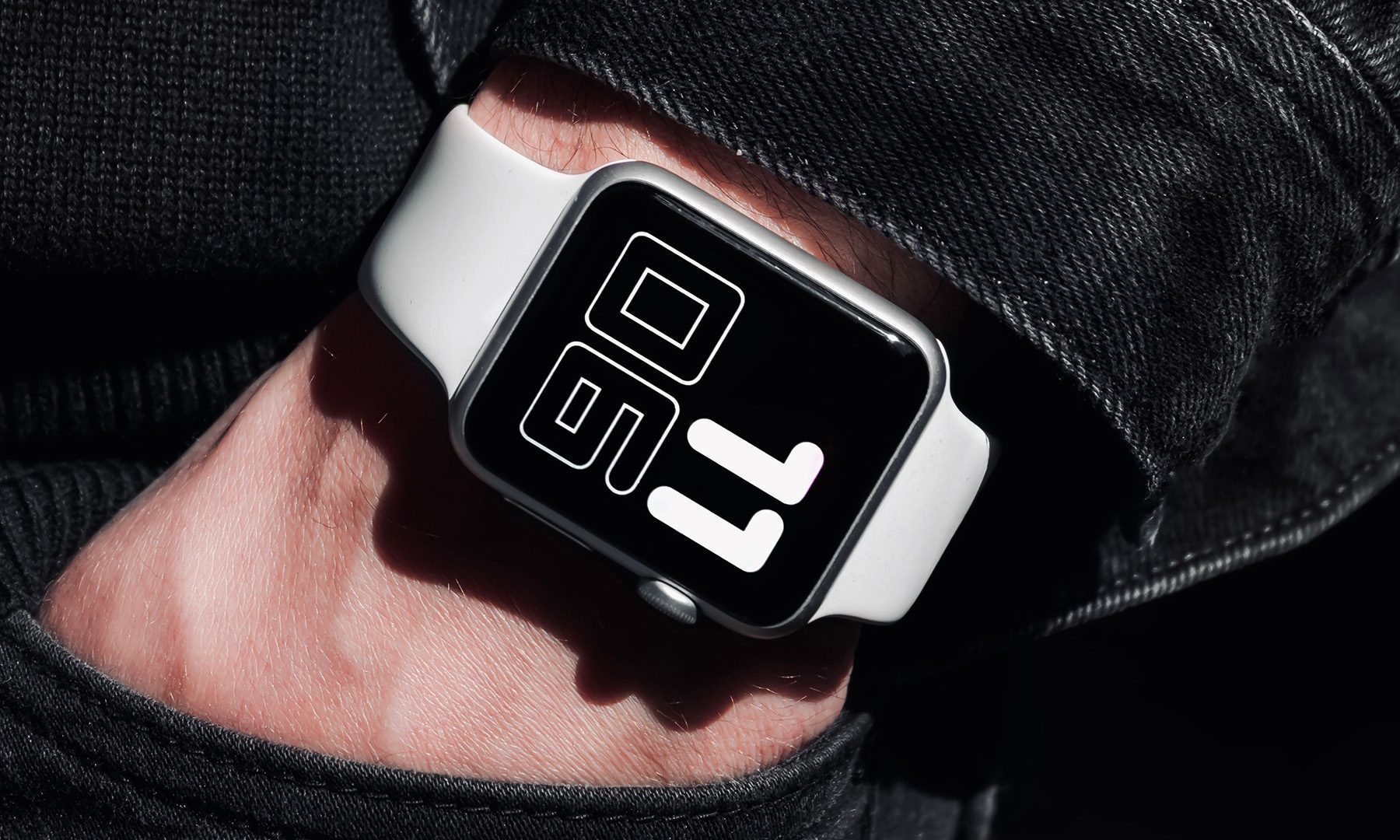
Taction’s case centers on patents covering haptic actuator technology, the hardware that creates tactile feedback inside a device. Apple’s Taptic Engine does that across products such as the iPhone and Apple Watch, producing the small taps and vibrations people feel during everyday use.

The dispute dates back to 2021, when Taction sued Apple over the Taptic Engine. Apple initially won summary judgment, but that ruling was later vacated on appeal and the case returned to court.

The jury ultimately found infringement of three patent claims across two Taction patents.
Why Apple says the verdict is wrong

Apple disputes both the infringement finding and the size of the damages award. It argues that the Taptic Engine is fundamentally different from Taction’s patented technology and that the evidence presented at trial does not support the payout.

The jury also found that Apple’s infringement was not willful. That finding leaves the infringement verdict intact while rejecting Taction’s willfulness allegation.

The jury’s verdict itself does not order Apple to stop selling affected devices or redesign the Taptic Engine. The immediate consequences are legal and financial rather than something iPhone or Apple Watch owners will notice.

What happens next for Apple

Apple’s appeal will give it another chance to challenge both the infringement finding and the damages award.

Post-trial motions and the appeal process could still reduce the amount, alter parts of the verdict, or overturn it. That is why the headline-grabbing $5.72 billion number should be treated as the jury’s award, not the final amount Apple will necessarily pay.

For users, nothing changes immediately. The next meaningful development is whether the verdict survives Apple’s challenge and leaves the company facing one of the biggest patent payouts in US history.

Paulo Vargas
Paulo Vargas is an English major turned reporter turned technical writer, with a career that has always circled back to…
OnePlus’ latest gaming accessory is a tiny magnetic cooler. Shame the US may miss out
OnePlus also slapped a display on its new 10,000mAh power bank
OnePlus Ice Card Mini

OnePlus has built its smartphone brand around powerful performance and big batteries. So the target audience is usually gamers and power users. Now, it's building another accessory to keep phones cool. The company’s new Ice Card Mini magnetic cooler has appeared on OPPO’s official Chinese store ahead of its October 12 launch, and the entire thing measures just 70 x 53.4mm.

This makes it roughly 18g lighter and around 30% smaller in footprint than OnePlus’ previous Magnetic Ice Cooling Clip. Despite cutting down on its size and weight, the company has managed to pack a thermoelectric TEC cooling chip inside alongside an active air-cooling system aimed directly at the phone’s main heat-generating area.

Read more
Apple raised the iPhone 18 Pro price, and buyers may have voted with their wallets
Apple’s premium iPhone strategy may be hitting an expensive speed bump
Electronics, Mobile Phone, Phone

Apple has reportedly asked some suppliers to reduce component production for the iPhone 18 Pro and iPhone 18 Pro Max, as higher prices and weaker-than-expected demand put pressure on its latest flagship smartphones. According to Nikkei Asia, component orders for October have been cut by 15% to 20% compared with Apple's original requests, raising questions about whether the premium iPhones are attracting enough buyers at their new prices.

The report, citing people familiar with Apple's supply chain, says the company became more cautious about shipments in early September. The iPhone 18 Pro starts at $1,199, while the Pro Max starts at $1,299, with both models priced $100 higher than their predecessors. They went on sale on September 18.

Read more
Wide-screen phones are having a moment, and Oppo wants a piece of the action
The rumored phone could give movies and YouTube videos more room to shine.
Xiaomi 18 Fold

Wide is the new tall in the smartphone world. Ever since the iPhone Duo leaked, it feels like every other phone maker is working on a wide-screen device. Samsung beat Apple to the punch with the Galaxy Z Fold 8, and Xiaomi has released the Xiaomi 18 Fold, and it looks almost identical to the iPhone Duo.

The trend isn’t stopping with foldables either. Huawei recently brought the wide design to a regular phone with its Pura X View, and now it looks like Oppo wants to join the party.

Read more