1. Home
  2. Phones
  3. Mobile
  4. News

The uncertain future cost of Apple’s Emergency SOS feature

Add as a preferred source on Google
Person holding iPhone 14 searching for Emergency SOS satellite.
Apple

It’s been roughly two years since the launch of the iPhone 14 and its Emergency SOS via satellite feature. You might recall that during the first two years, Apple said it would be free to use but that it might require a subscription after that time, according to MacRumors. Last year, Apple extended the time limit by one more year, so you actually have until November 2025, when the trial period ends.

That’s good news. The Emergency SOS feature is, quite literally, lifesaving. During April of this year, three university students lost their way in a canyon and used the feature to call for help. Another story arose in July where the feature came through once more in a moment of crisis. And if you keep digging, you’ll find numerous other examples of how this tech is truly beneficial.

Person holding iPhone 14 with Emergency SOS via satellite notifications.
Apple

With that in mind, it’s hard to justify charging a subscription when lives are literally at stake. While Apple has always hinted at plans to charge for the service, the company has also expanded functionality to include roadside assistance, Messages, and more. An argument can be made that charging for a feature like roadside assistance is fine, but charging for Emergency SOS is morally bankrupt.

Recommended Videos

The Google Pixel lineup has a similar feature to Emergency SOS, and Samsung is expected to gain functionality akin to it in the One UI 7 update. Currently, Pixel does not charge for the Emergency SOS feature, and Samsung isn’t likely to, either.

It remains to be seen whether Apple will charge a subscription fee or not. With any luck, the feature will remain free.

Patrick Hearn
Former Technology Writer
Patrick has written about tech for more than 15 years and isn't slowing down anytime soon. With previous clients ranging from…
Google’s older Pixels may have just become far better retro gaming machines
Google Pixel 11 Pro Review Zenless Zone Zero

I've spent enough time trying to turn Android phones into game consoles to know that raw horsepower only gets you so far. On the Red Magic 11S Pro, I've tested console emulation alongside Android games and eventually pushed things much further by getting the PC version of Ghost of Tsushima running locally through GameHub.

While all of this was possible thanks to powerful Snapdragon hardware, there's another reason Qualcomm-equipped Android devices have traditionally been particularly attractive to emulator enthusiasts. Adreno, the GPU that powers these devices, have access to custom graphics drivers such as Turnip. So phones using ARM's Mali GPUs haven't had the same advantage. But now, ARMSX2 2.8.3 is finally changing that.

Read more
Samsung may give the Galaxy S27 Ultra a major eye comfort upgrade
A new leak suggests Samsung could add DC dimming to reduce OLED flicker on its next flagship phones.
Samsung Galaxy S26 Ultra smartphone in blue color.

Samsung’s Galaxy S27 Pro and Galaxy S27 Ultra are shaping up to look quite different from the current generation, but the changes underneath may not be nearly as dramatic. Camera processing is reportedly being tweaked for warmer, more natural-looking photos, while certification filings point to a much-needed battery bump.

A fresh leak, however, points to an upgrade that could matter a lot more to people with sensitive eyes. Tipster WalleGalaxy claims Samsung will introduce DC dimming support on the Galaxy S27 Pro and Ultra, potentially moving away from the PWM-only approach it has relied on for years. The current Galaxy S26 series still uses PWM at around 480Hz and offers no DC-like flicker reduction option.

Read more
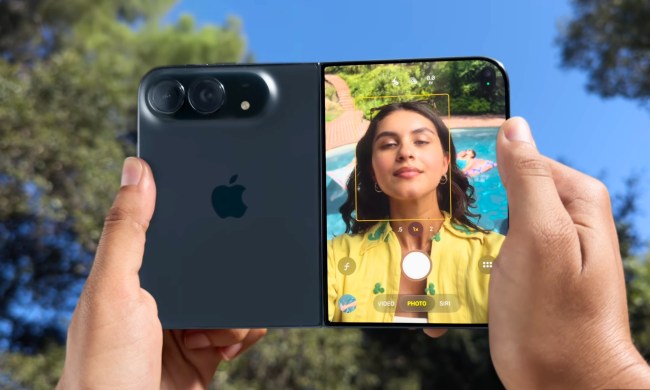
Apple is making sure you can’t walk into a store without bumping into the iPhone Duo
Apple is putting the iPhone Duo on display like it’s the star of the show
Photography, Face, Head

Apple is preparing an unusually large retail push for the iPhone Duo, its first foldable iPhone, with flagship stores expected to feature dozens of hands-on demo units and dedicated displays. The aim is to give customers a proper look at the foldable device before deciding whether it is worth the premium price.

According to Bloomberg’s Mark Gurman, Apple is planning more than 150 demo units at its Fifth Avenue flagship in New York City. The Apple Park Visitor Center is expected to have nearly 100, while stores on Michigan Avenue in Chicago, the Grove in Los Angeles, and Manhattan’s Upper West Side could each receive around 30 to 40 units. Smaller stores are expected to have roughly 20 demo devices.

Read more