  1. Home
  2. Phones
  3. News

Theft prevention system can be exploited to block your new phone or disable home alarms

Six new vulnerabilities found in a research threatens both new phone launches and home alarm reliability.

Add as a preferred source on Google
home-security-system
Sebastian Scholz (Nuki) / Unsplash

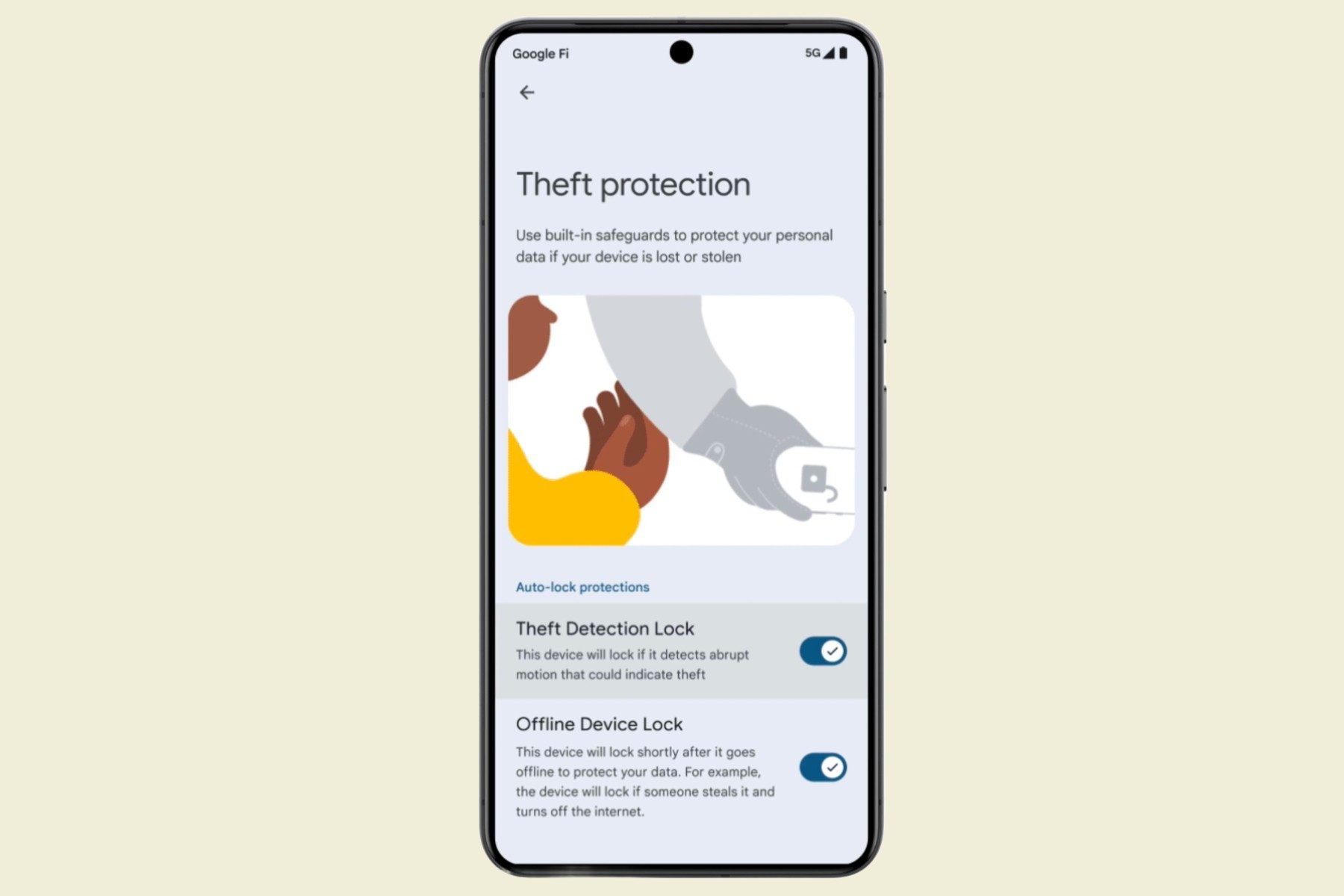
The system built to stop stolen phones from working could actually be turned against you. Michigan State University researchers just found six security flaws in the lost and stolen device reporting process, the same one carriers use to blacklist phones by their unique IMEI number.

Turns out an attacker doesn’t need to steal your phone to block it. They just need to exploit weak identity checks in how carriers verify who’s filing the report.

How bad could this actually get?
According to the two proof-of-concept attacks the team pulled off on live 4G and 5G networks. One, called Zero-Day Flagship Phone Ambush, showed how someone could grab a device’s IMEI before it even launches and get it wrongly flagged as stolen. Researchers proved this using a Samsung Galaxy Z Fold 7, blocking it from cellular service before its public release.

Recommended Videos

The other attack, called Home Security System Freezing, targets the cellular backup connection many home alarm systems rely on when Wi-Fi goes down. Researchers found two major home security providers, covering more than 41% of the US market, use vulnerable cellular modem chipsets. That backup link is exactly what’s supposed to keep your alarm talking to monitoring centers during an emergency.

So what’s next?

The researchers aren’t calling for the reporting system to be scrapped. They just want it to be locked down better. Their proposed fixes include stronger identity verification for anyone who is filing a lost device report, along with tighter security around the GSMA’s cross-carrier blacklist database. The GSMA has already acknowledged the findings and has passed them along to its device security group.

This study was given the Best Paper Award at MobiSys 2026, the top conference for mobile systems research, so it’s not some fringe theory. This is a real gap that carriers now need to close.

Manisha Priyadarshini
Manisha Priyadarshini is a tech and entertainment writer with over nine years of editorial experience.
OnePlus’ latest gaming accessory is a tiny magnetic cooler. Shame the US may miss out
OnePlus also slapped a display on its new 10,000mAh power bank
OnePlus Ice Card Mini

OnePlus has built its smartphone brand around powerful performance and big batteries. So the target audience is usually gamers and power users. Now, it's building another accessory to keep phones cool. The company’s new Ice Card Mini magnetic cooler has appeared on OPPO’s official Chinese store ahead of its October 12 launch, and the entire thing measures just 70 x 53.4mm.

This makes it roughly 18g lighter and around 30% smaller in footprint than OnePlus’ previous Magnetic Ice Cooling Clip. Despite cutting down on its size and weight, the company has managed to pack a thermoelectric TEC cooling chip inside alongside an active air-cooling system aimed directly at the phone’s main heat-generating area.

Read more
Apple raised the iPhone 18 Pro price, and buyers may have voted with their wallets
Apple’s premium iPhone strategy may be hitting an expensive speed bump
Electronics, Mobile Phone, Phone

Apple has reportedly asked some suppliers to reduce component production for the iPhone 18 Pro and iPhone 18 Pro Max, as higher prices and weaker-than-expected demand put pressure on its latest flagship smartphones. According to Nikkei Asia, component orders for October have been cut by 15% to 20% compared with Apple's original requests, raising questions about whether the premium iPhones are attracting enough buyers at their new prices.

The report, citing people familiar with Apple's supply chain, says the company became more cautious about shipments in early September. The iPhone 18 Pro starts at $1,199, while the Pro Max starts at $1,299, with both models priced $100 higher than their predecessors. They went on sale on September 18.

Read more
Wide-screen phones are having a moment, and Oppo wants a piece of the action
The rumored phone could give movies and YouTube videos more room to shine.
Xiaomi 18 Fold

Wide is the new tall in the smartphone world. Ever since the iPhone Duo leaked, it feels like every other phone maker is working on a wide-screen device. Samsung beat Apple to the punch with the Galaxy Z Fold 8, and Xiaomi has released the Xiaomi 18 Fold, and it looks almost identical to the iPhone Duo.

The trend isn’t stopping with foldables either. Huawei recently brought the wide design to a regular phone with its Pura X View, and now it looks like Oppo wants to join the party.

Read more