1. Home
  2. Phones
  3. News

Digital Trends may earn a commission when you buy through links on our site. Why trust us?

Ugreen’s MagFlow Air packs 10,000mAh, 45W charging, and Qi2.2 into a slim body

Add as a preferred source on Google
Ugreen MagFlow Air power bank
Ugreen

If you want a power bank that won’t weigh down your pocket, Ugreen might have just the thing. The company’s new MagFlow Air Ultra Slim Power Bank has started showing up at retailers in the US and Europe, as first spotted by the folks at Notebookcheck.

Ugreen has managed to squeeze a 10,000mAh battery into a body that is only 13.9mm thick. You also get 25W Qi2.2 magnetic wireless charging and a built-in USB-C cable that can push up to 45W of power.

What makes the MagFlow Air worth carrying?

The biggest highlight is the Qi2.2 support. Snap the power bank onto the back of a compatible smartphone like the newly released iPhone 18 Pro, and it will charge at up to 25W without you plugging in a single cable. The magnets also keep it properly aligned, so it won’t slide around while charging.

Recommended Videos

Need your phone charged in a hurry? Just use the attached USB-C cable, which delivers up to 45W. I love that the cable also works as a hand strap, making it easy to grab the power bank on your way out. Ugreen has also included a USB-C port and a USB-A port, so you can power up your phone, wireless earbuds, and smartwatch together.
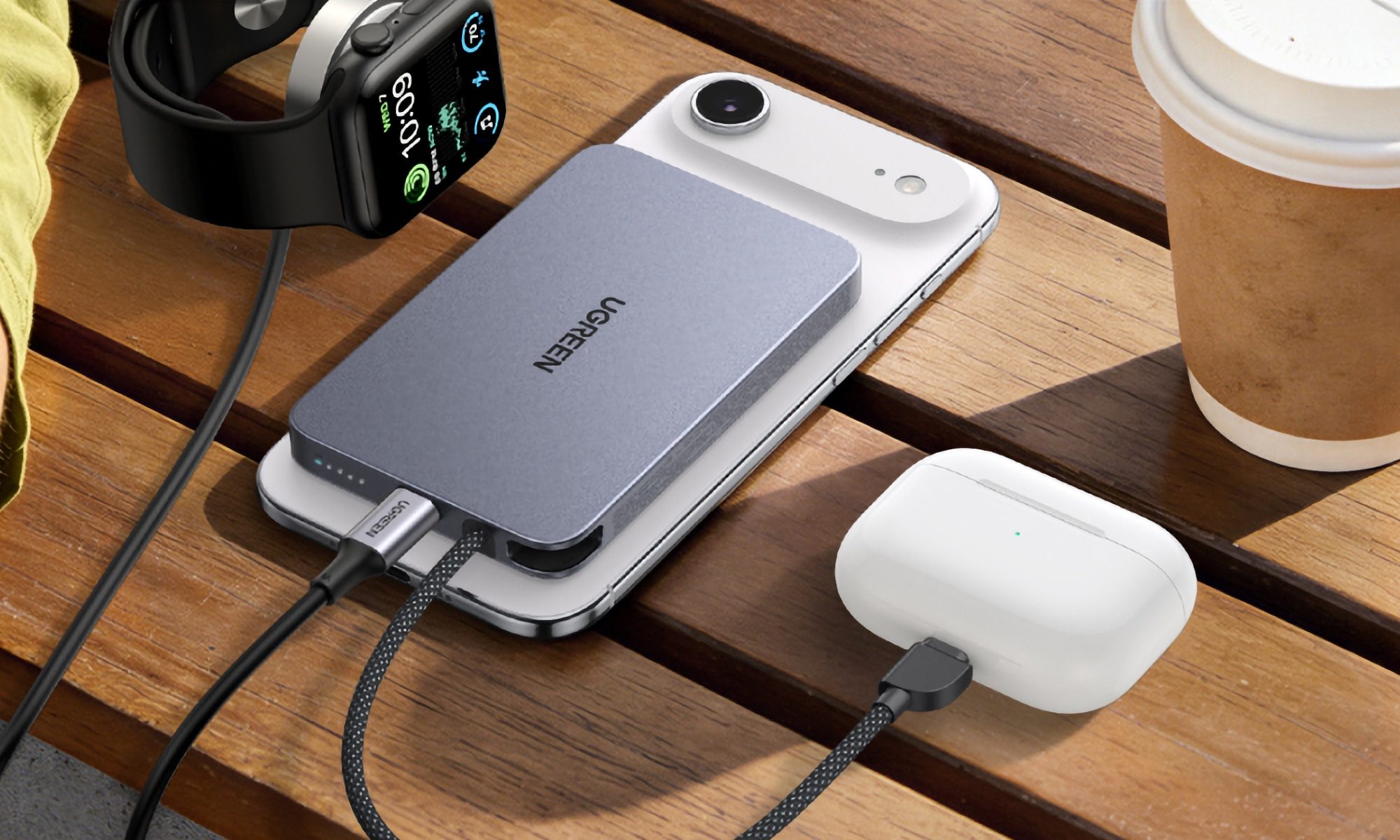
There’s also a smart display that shows the real-time battery percentage and output power, so you always know how much juice is left. Ugreen’s Dymondsoft 2.0 technology protects the power bank from drops and scratches, while built-in safety systems guard against overheating and short circuits.

How much will it cost you?

The Ugreen MagFlow Air Ultra Slim Power Bank is available on Amazon for $99.99 in the US and €89.99 in Germany. If you are tired of lugging around a bulky power bank and a tangle of cables, this one solves both problems.

Rachit Agarwal
Rachit is a seasoned tech journalist with over ten years of experience covering the consumer technology landscape.
AI’s massive appetite could make cheap smartphones much harder to find
The smartphone aisle is getting pricier, and AI may be partly to blame.
Electronics, Mobile Phone, Phone

Buying a genuinely cheap smartphone could soon become a lot harder, and the reason has little to do with what’s happening inside the smartphone industry itself. The enormous amount of hardware being poured into AI data centers is pressuring global memory supplies. That has helped drive up the cost of making phones, and manufacturers appear increasingly reluctant to absorb those extra costs at the cheapest end of the market.

According to Counterpoint Research, prices of existing smartphones have increased by around 15% globally this year, while newly launched devices are roughly 25% more expensive than comparable models from last year. The impact hasn't been equal everywhere, either. Smartphone prices have climbed 21% in India and 19% across Asia-Pacific, compared with just 5% in the US.

Read more
From $200 Motorolas to Samsung’s Flip, these phone deals made my shortlist
Two affordable Motorolas, an unconventional Nothing phone, and Samsung’s pocketable Flip make the cut
Electronics, Phone, Mobile Phone

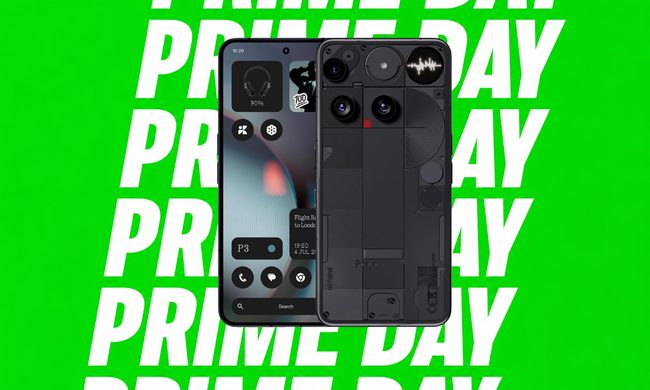
Replacing a phone for everyday use and splurging on a foldable are very different purchases. These four Amazon discounts span both, starting with a $199.99 Motorola and working up through a pen-equipped alternative, Nothing’s distinctive Phone (3), and Samsung’s Galaxy Z Flip 8.

Motorola Moto G Power (2025) - $199.99 (33% off)

Read more
Microsoft Teams is adding a safeguard against deepfake imposters in meetings
Teams is adding third-party deepfake detection for workplace calls.
Microsoft Teams video call meeting

Deepfakes have been part of the fraud playbook for years. The rapid improvement in generative AI is now making them much easier to produce and harder to recognize. Workplaces are increasingly being targeted through fake job applicants, impersonation during video calls, and scams designed to steal money or sensitive information.

Microsoft is preparing a new Teams capability to deal with the issue. Certified third-party providers will be able to analyze meeting audio and video for signs of manipulation, then pass those signals back into Teams so organizers can react when something looks suspicious.

Read more