Smartwatches are now over 25 years old, but just over a decade ago, Apple helped kickstart the current smartwatch industry with the launch of the original Apple Watch. From a focus on fitness to a selection of apps and whimsical watch faces, early smartwatches bore little resemblance to the current best smartwatches with which we’re now accustomed.
The only problem with the Apple Watch is that it was, and still is, exclusive to the iPhone. To answer this and capitalize on the demand for smartwatches from Android users, Google and its partners developed an Android-powered alternative. After many iterations, Wear OS was born, but it still faces several challenges many years later.
To address these needs, companies such as OnePlus have turned to RTOS (Real-Time Operating System), a specialized type of operating system that’s perfect for low-power tasks where precision is required, such as timekeeping. However, is RTOS the answer to Google’s Wear OS woes? Let’s take a look.
The key benefits of RTOS
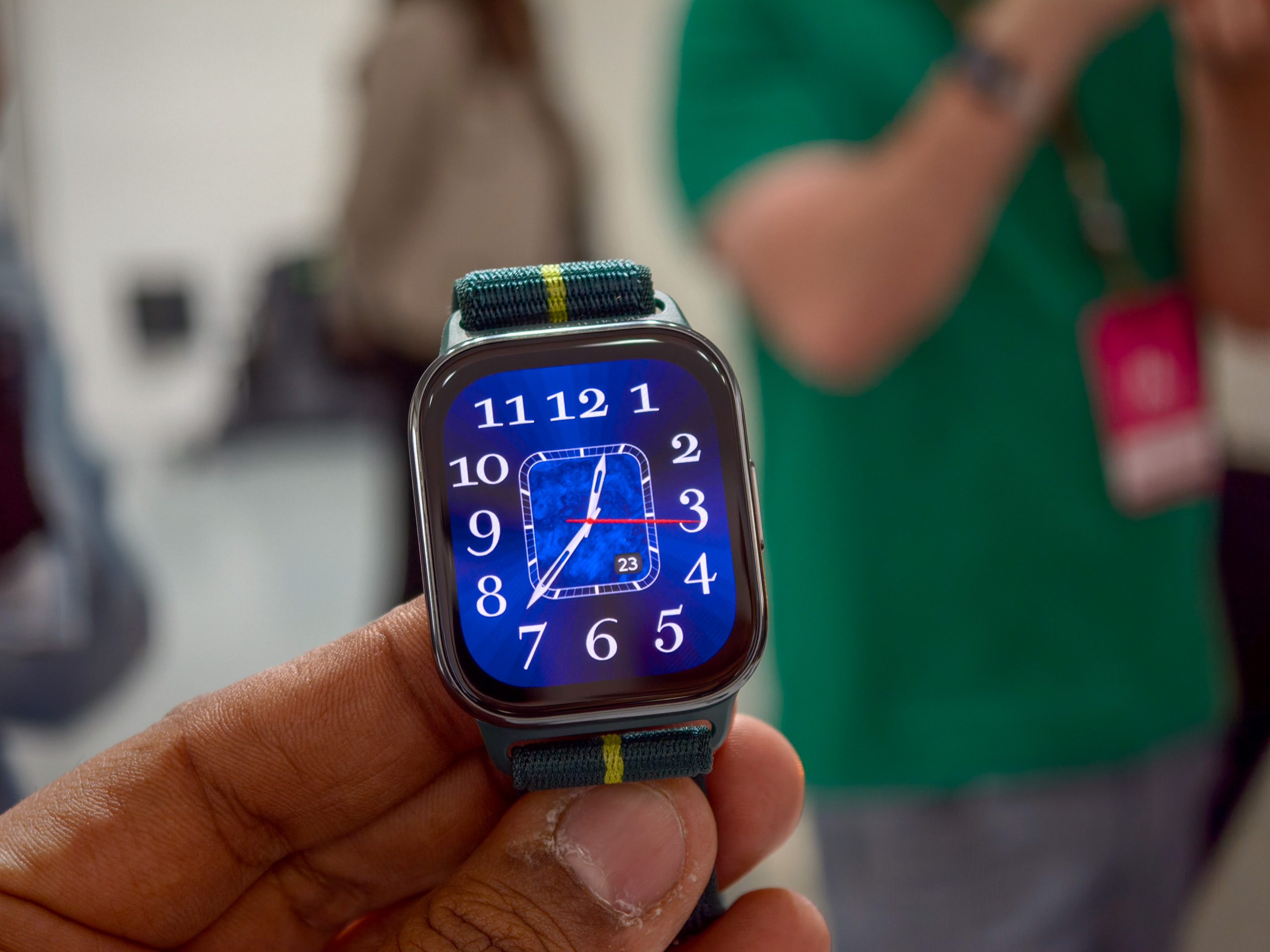
RTOS has been around for a long time. Long before its applications in the smartwatch space, it has been powering a range of devices and technologies that you’ve likely benefited from. These include devices such as pacemakers for the heart, flight ticket booking platforms, and even RADAR.
Smartwatches that run RTOS are technically using a platform called FreeRTOS. It’s designed to enable the execution of a specific set of features on a single chipset with limited memory, and it doesn’t consume a significant amount of power to do so. Crucially, it offers a fast experience and allows you to utilize several advanced features, such as heart rate tracking, without requiring a large battery or a powerful chipset.
RTOS-based platforms have long been used in smart devices that don’t run Wear OS, such as smartwatches from Amazefit or Xiaomi, or some of the best fitness trackers. The precision of the OS means it’s ideal for features such as heart rate monitoring, but it comes with a key downside compared to Wear OS.
How Wear OS is better than RTOS
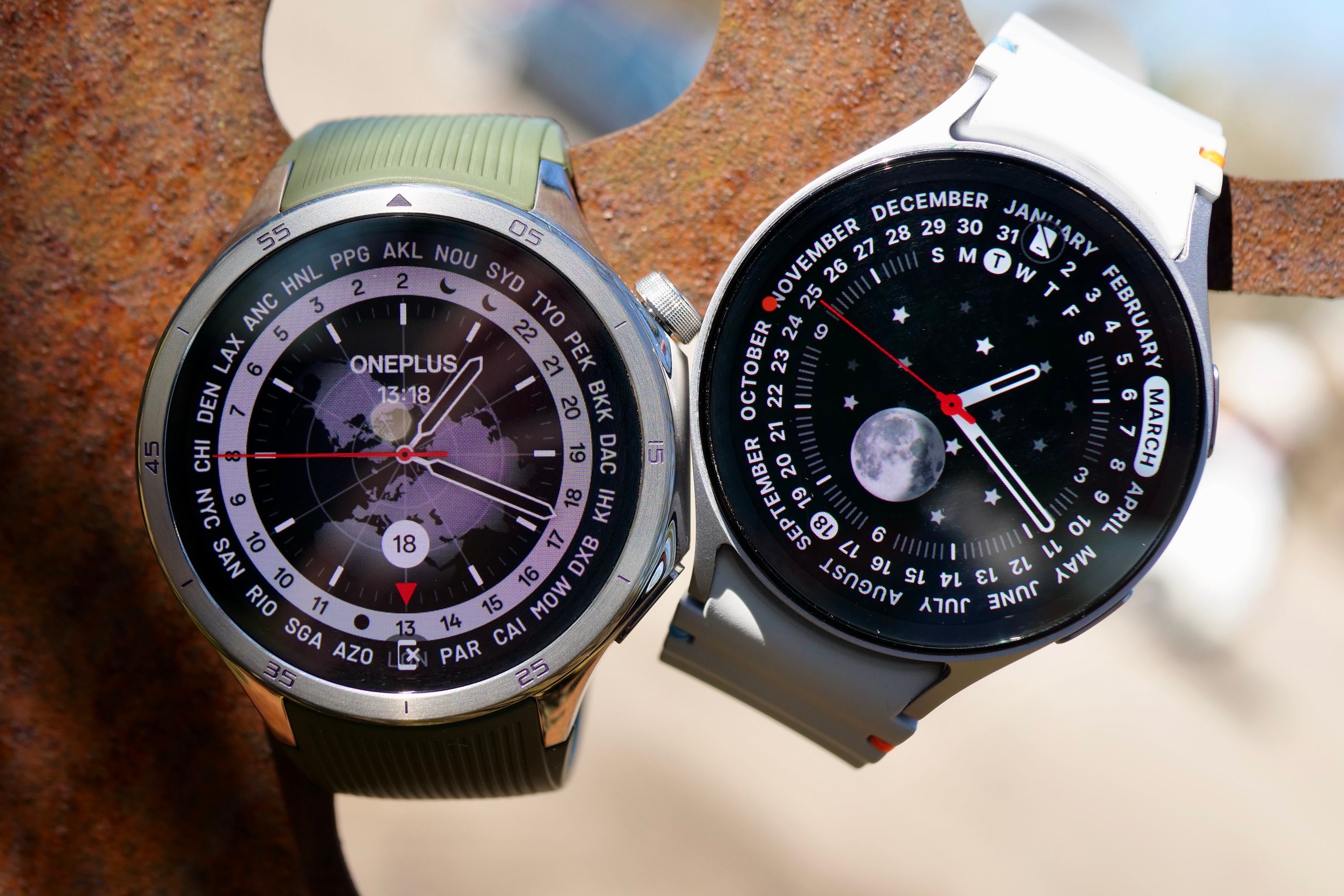
RTOS offers numerous benefits to users and watchmakers, but there is one major downside: limited app support. This means that the end-user is at the mercy of the company’s interpretation of fitness apps, features, and watch faces, and it also makes it much harder to switch platforms without losing data.
In comparison, Wear OS takes all of this away from the device maker and instead ensures continuity between different devices running the same platform. You have access to a wide range of Wear OS-compatible apps, and your data remains with you as you switch devices.
Much like your Android phone, Wear OS supports every major app and features a dedicated section within the Google Play Store. It’s designed to be a platform that powers every smart device, but given the need for a small battery in most wearable devices, it does so at the cost of power and efficiency.
The two competing implementations of RTOS
Some companies are fully committed to the Wear OS platform. Samsung has long since abandoned its goals of developing its Tizen-based OS in favor of partnering with Google on Wear OS, while numerous third parties are also creating some of the best Android smartwatches.
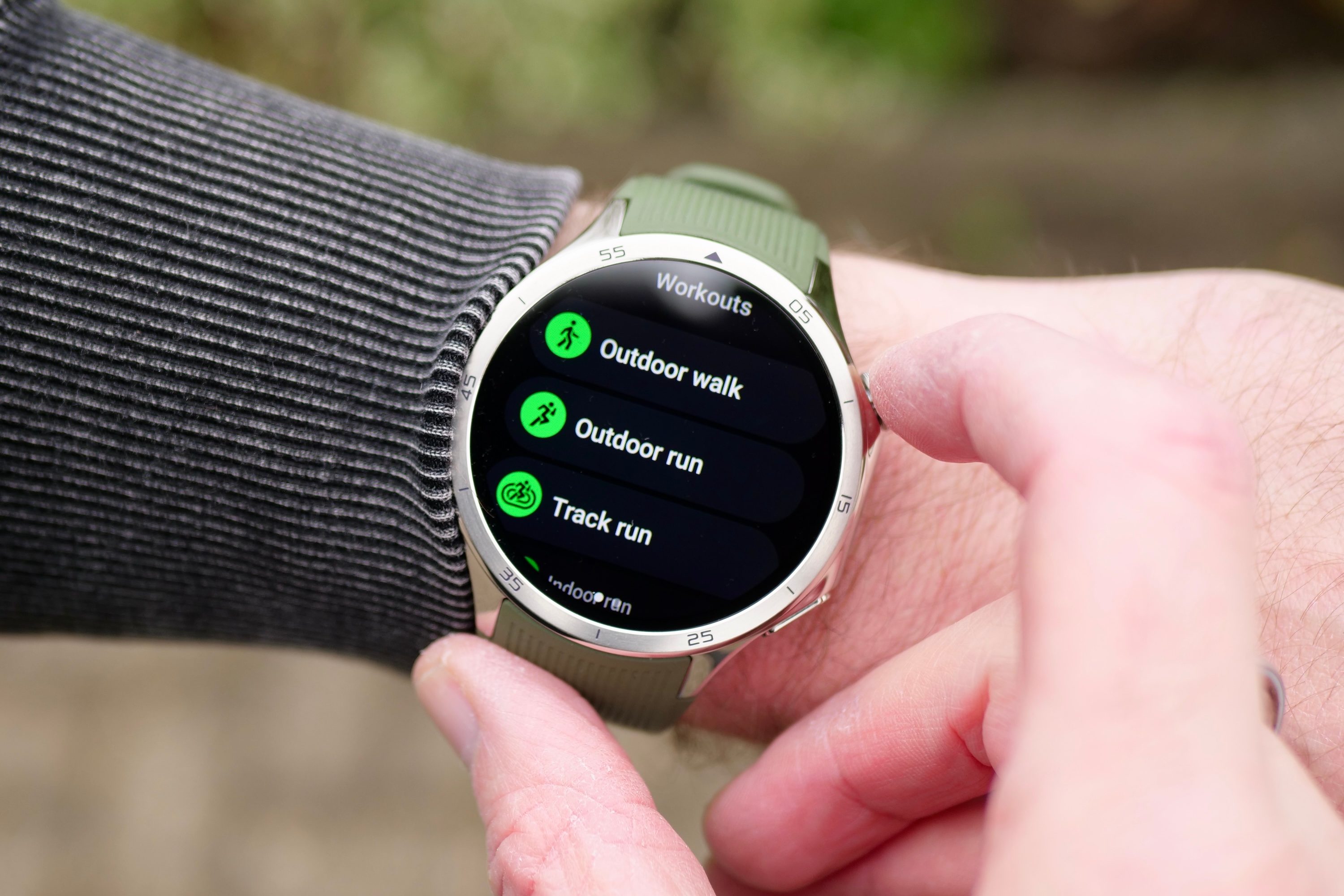
However, companies like OnePlus and Motorola have demonstrated that RTOS can be a viable alternative for smartwatches, where battery life and efficiency are more crucial than advanced features. As a result, we have two different implementations of RTOS that both bring the same benefits.
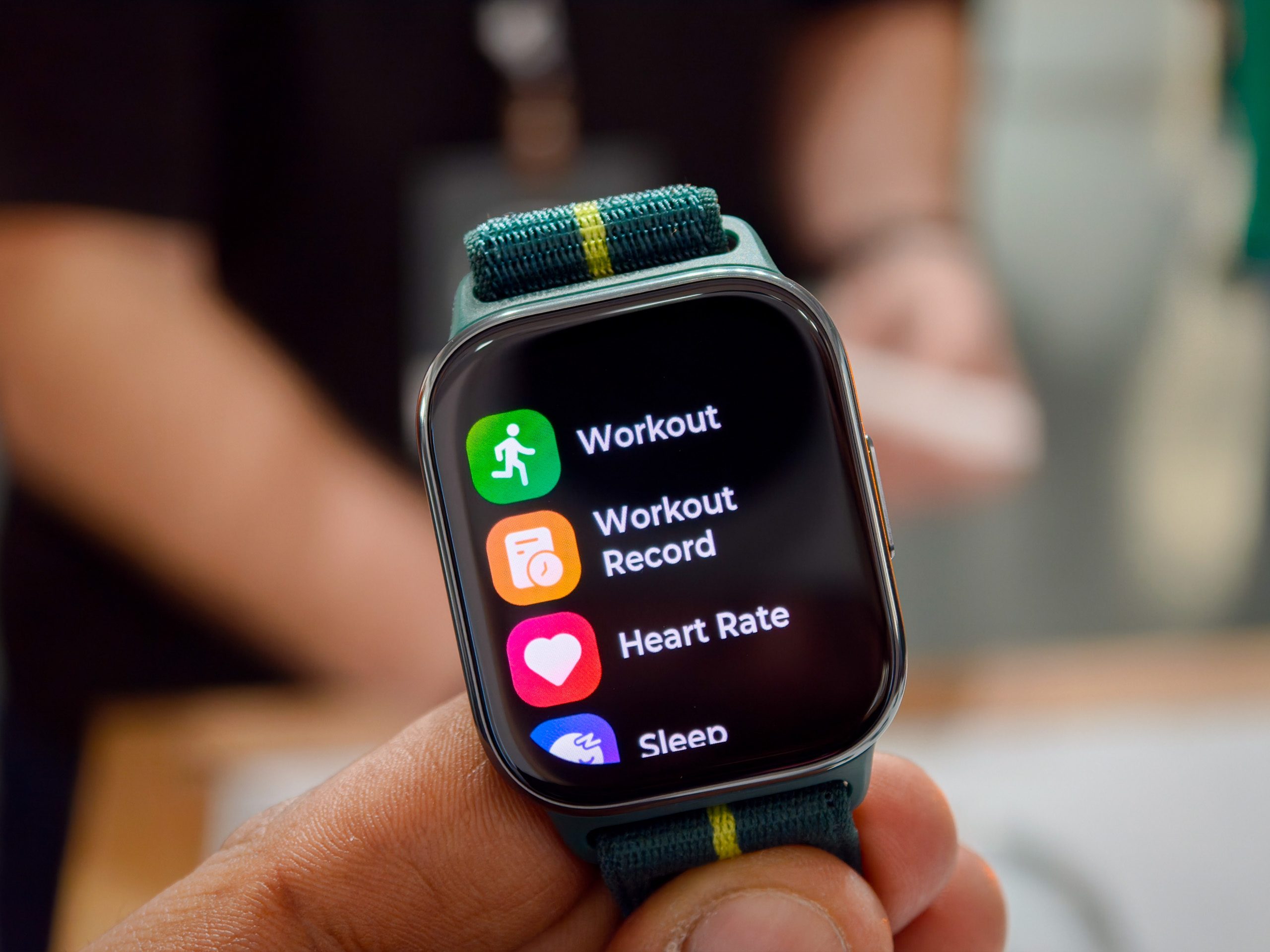
Motorola has just announced its new Moto Watch Fit smartwatch, which runs solely on the RTOS platform. That means the company had to develop a fitness app in-house, as well as several apps that replicate the core functionality of Wear OS. Meanwhile, OnePlus announced the OnePlus Watch 3 earlier this year, which combines RTOS and Wear OS into a single device through its innovative dual-architecture approach.
Crucially, both devices capitalize on the benefits of RTOS, but only one minimizes the potential downsides of RTOS.
Is RTOS the answer to Google’s Wear OS woes?
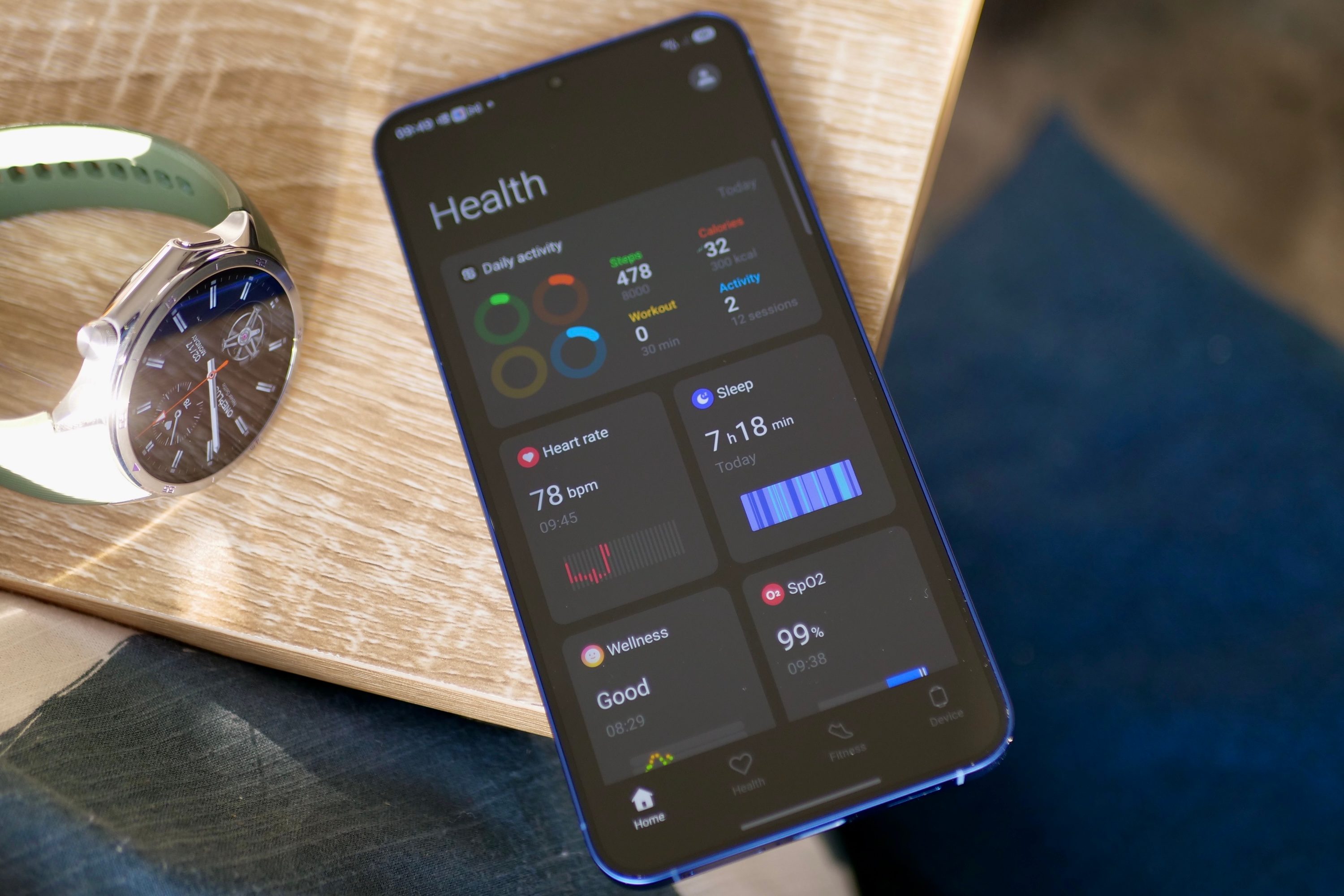
Building a smartwatch with advanced fitness features isn’t easy. As Google continues to expand the functionality within Wear OS, it also means that modern Android smartwatches require even larger batteries. Unfortunately, this means companies must decide between large batteries, small displays, a high price, or a thick smartwatch, and a compromise in any area results in a subpar wearable experience.
It’s not surprising that companies have turned to RTOS, but could it be the answer to the key Wear OS problems? The biggest challenge is battery life, but while the Moto Watch Fit offers 16 days of battery life, it doesn’t provide the benefits of Wear OS. Instead, Google should consider OnePlus and its dual-architecture approach.
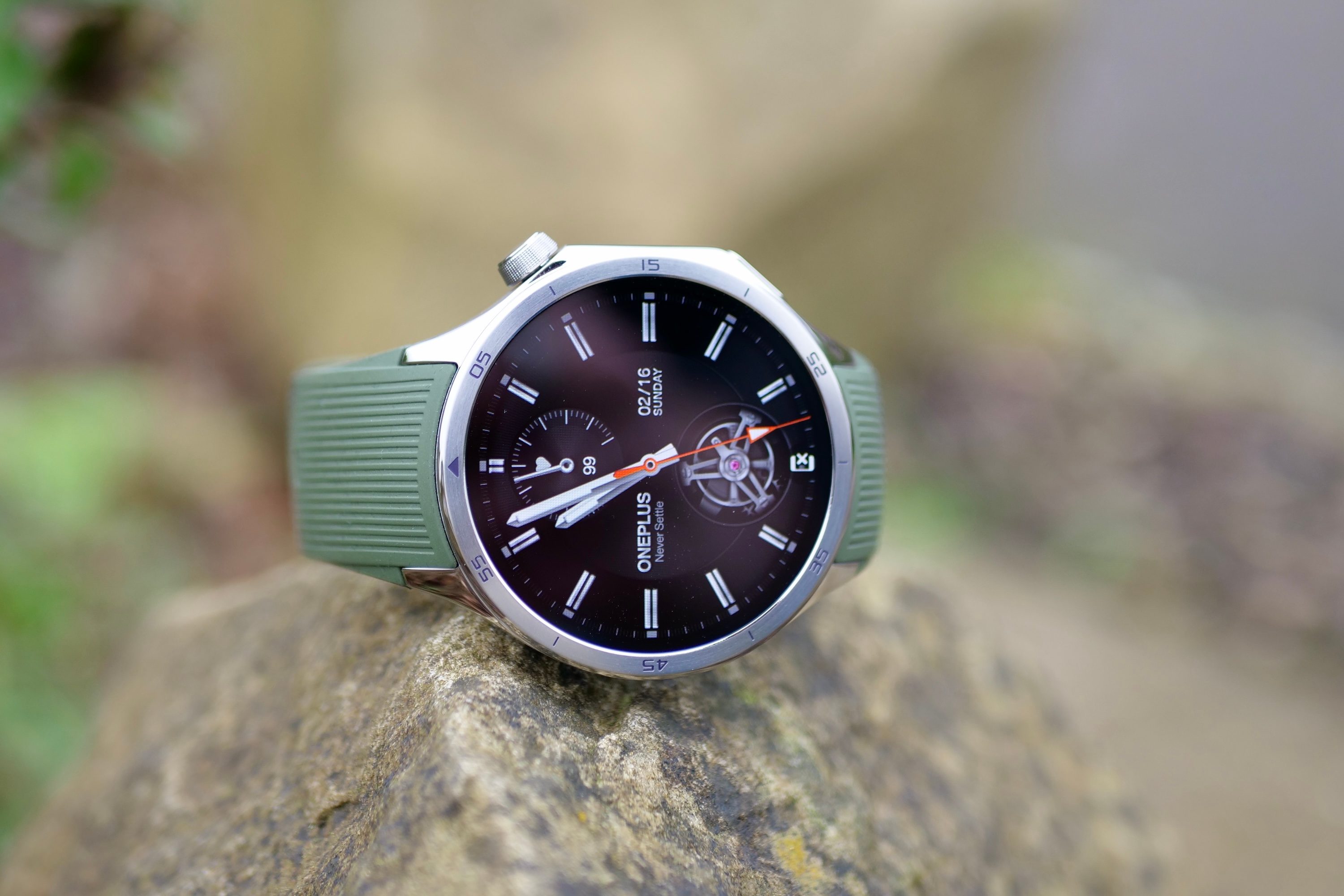
The OnePlus Watch 3 seamlessly switches between the RTOS platform for all low-power tasks and Wear OS for more advanced features. The result is the best of both worlds, and a battery that lasts up to four times as long as Google’s own Pixel Watch 3.
If Wear OS is to provide a competitive challenger to the Apple Watch, it needs to solve the key problems. The OnePlus Watch 3 demonstrates that a dual-architecture approach with RTOS could be the solution, but if not, we’ll likely see more RTOS watches and fewer Wear OS watches in the future.