One number may change to another number at an important industry event on June 9, and despite some of the headlines that have been circulating around the news, this succinct explanation of what may happen allows you to guage its real importance. Apparently, Apple may use the WWDC 2025 keynote presentation to announce a change from the expected iOS 19 software’s name to iOS 26, and here’s why you shouldn’t worry about it.
Many people won’t even know
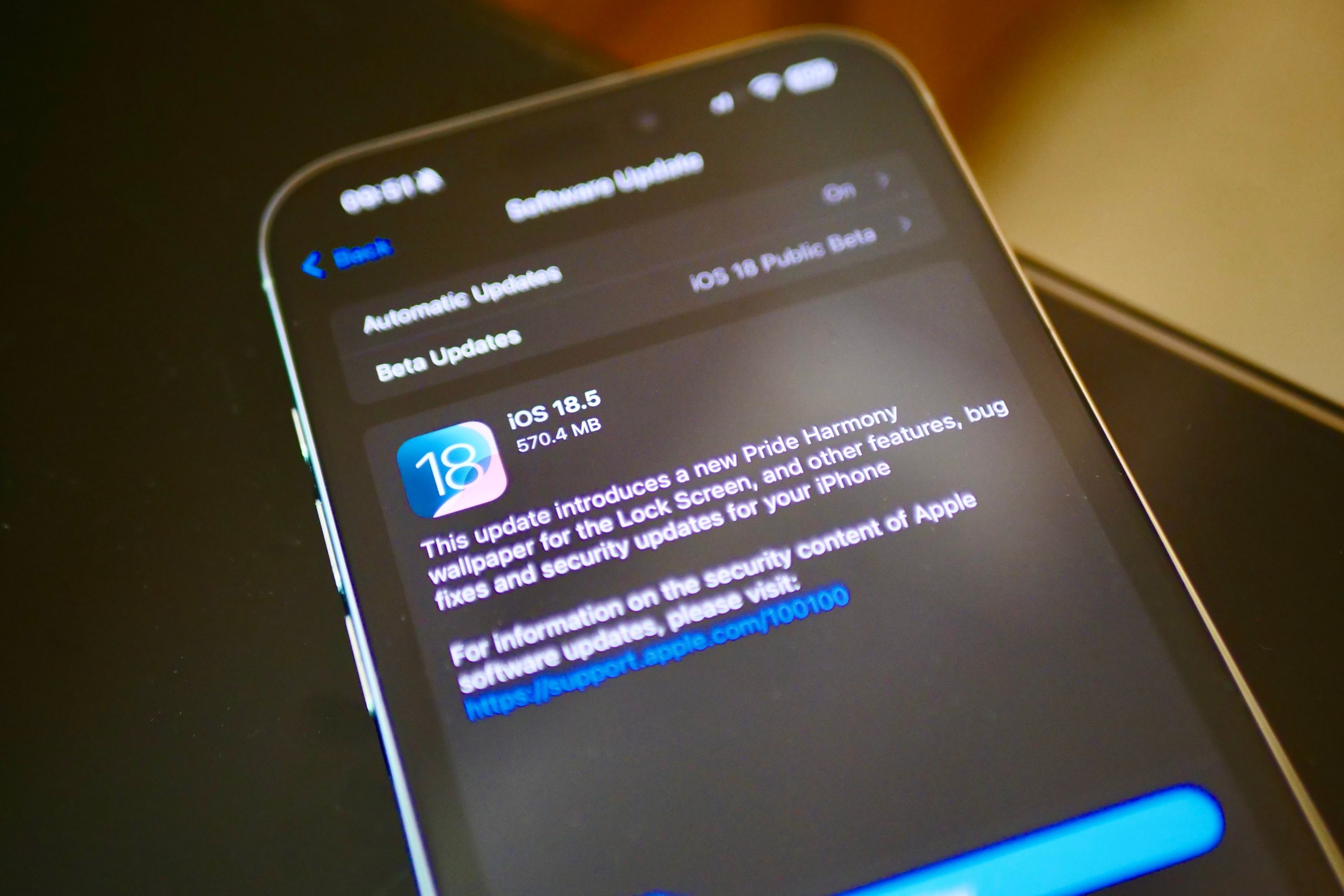
There’s a sizable segment of Apple iPhone owners who are blissfully unaware of what version of iOS their device runs. Some may not even know the software is called iOS at all. To those with their priorities well and truly correct, provided the software operates as they want, they are unlikely to worry about much else. Remember, it’s possible to have the software update itself, silently, overnight or when the phone is charging, further allowing people to entirely separate themselves from mostly irrelevant operating system minutia.
Whether these people don’t know or don’t care to know what software version their phone is running doesn’t matter. It’s the fact the number assigned to the software is probably a mystery that’s important. Apple could jump from iOS 19 to iOS 3745493222, and it would have the same non-effect.
If the mainstream media suddenly starts reporting a number change, probably after the WWDC 2025 keynote, it could be the first time many learn about the software name and number. Would any of them at all care about the alteration? Would it change the way they use their phone? No, of course not. Many iPhone owners don’t care about the software version number now, and changing it from one to another is highly unlikely to alter that. If you know someone who falls into that category, expect an entirely justified shoulder shrug if you bring up iOS 19 or iOS 26 in conversation.
What about the tech fans?
I know what version of iOS my iPhone uses, and I’m pretty sure you know what’s installed on your iPhone too. How will a decision to go from iOS 19 to iOS 26 affect us? It won’t. The most it will do is likely annoy some of the pedants who will be irritated by Apple’s decision to label it 26 and not 25, which would tie it to its year of release, rather than the year after. Sure, it’s a method used by some car brands, but if the change was to make the numbering more logical, Apple has fallen at the first hurdle.
I write about iOS quite often, and tapping out 26 instead of 19 is hardly going to cause me a headache. It’s not like there will be specific 26-exclusive features inside to make us interested either. It’ll be what we expected iOS 19 to have, and we’ll just have to refer to it with two different numbers to the ones we initially expected to use. However, the more jaded tech fans will have seen all this before and be rightfully non-plussed about the potential change for several reasons.

Prime among them is numbers are extremely dull and entirely forgettable when used in a product name. Examples? What’s the name of the recently released Sony headphones? What’s the name of the hybrid Casio watch with a heart rate tracker? Can you tell me either without looking it up? I doubt it. I know I can’t and be absolutely certain on the correct combination of letters, numbers, and dashes.
Headphones and watches are notorious for having awful numbers-based identifiers, but what about something a little closer to home? Qualcomm struck gold with its Snapdragon name, which is cool and recognizable, but then it went and ruined it all by separating models using names like Snapdragon W5 Plus Gen 1, Snapdragon 7s Gen 3, Snapdragon X Plus 8-Core, and so on until you fall into a coma reading them. Snapdragon works really well as a name, but the endless number-and-letter suffixes don’t.
Who is it for, then?
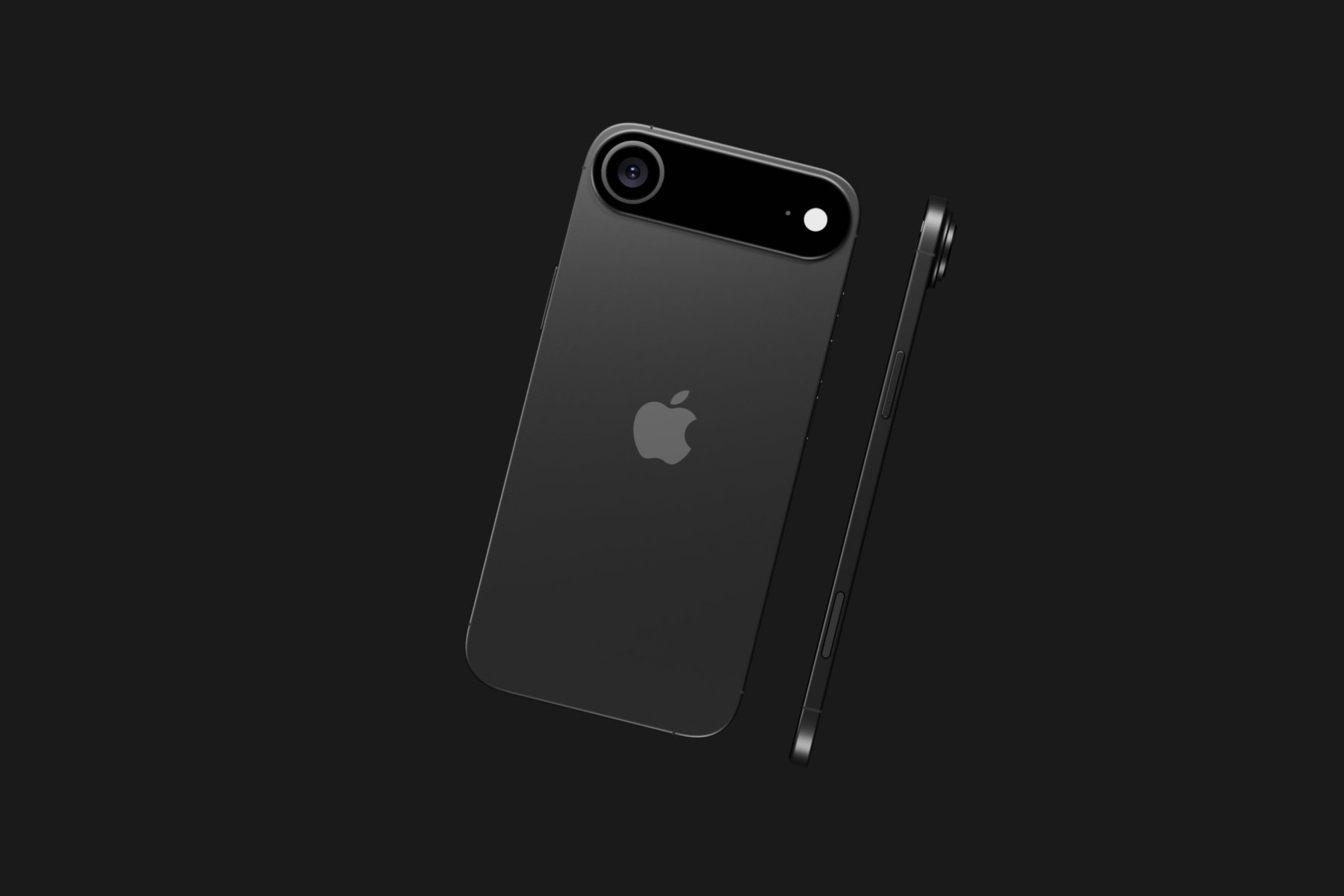
If some people don’t even know the iPhone’s software has a specific number attached to it, while those who do won’t really care if it changes to a different one than expected, plus there will be a portion of the tech world who roll their eyes at yet another number to remember, who is the change for?
It’s marketing. Somebody, somewhere in Apple’s marketing department was frustrated that iOS’s number referred to the version, and not the year. It would be neater to change it, they’d argue, and if the rumors are correct, enough people agreed to make it happen. I’d bet the same person has been lobbying for the iPhone 17 to be called the iPhone 26 too. If you’re going to change one mobile product number from the version to the year, why not do them both?
That would be a mistake, someone would rightly point out, because normal people would wonder what happened to the iPhone 17 through to the iPhone 25. Apple’s not silly. It knows this would be a terrible idea and erode incredible brand and product recognition carefully built up over the years. People who aren’t into tech are waiting for the next iPhone and expect it to be the iPhone 17. But it can make the arbitrary change to the software version number safely because in the grand scheme of things, not everyone will notice or care. Apple doesn’t expect you to either, which is why it’s likely only going to happen to software and not hardware.