1. Home
  2. Phones
  3. Android
  4. Apple
  5. Mobile
  6. Social Media
  7. Web
  8. News

Encrypted messaging app Wire now lets you share your location with contacts

Add as a preferred source on Google

If messaging apps have their way, you’ll never have to ask someone where they are. Jumping on the bandwagon, end-to-end encrypted messaging app Wire now lets you share your location with your contacts.

Wire is backed by Skype co-founder Janus Friis, and is a competitor to the likes of WhatsApp and Telegram. In fact, Wire made all of its conversation content end-to-end encrypted months before WhatsApp flipped the switch — OK, so Wire doesn’t have one billion users but, hey, it counts.

Recommended Videos

The Switzerland-based company behind the app has been adding new features over the past few weeks, such as the ability to customize sound notifications; the ability to copy and past images from other apps into your conversations; Brazilian-Portuguese translations; and content forwarding. The highlight, though, is the app’s ability to share a user’s location.

One handy feature is the ability to set a “compromise” location, so that everyone can meet in a place that’s convenient rather than trying to find each other. Unfortunately, the whole location-sharing function is only available on the Android version for now, but it will be rolling out to iOS, and the web “soon.”

wire
Image used with permission by copyright holder

Wire launched in December 2014 and allows users to make end-to-end encrypted voice and video calls, and also features end-to-end encrypted text messages, photos, and sketches.

“Wire doesn’t hold the decryption keys and our software contains no backdoor,” according to the company’s website. “Your data is your data — Wire has no access to it.”

The startup has about 50 employees, and while it doesn’t share monthly user figures, a March Bloomberg Business report cites that Wire receives about 150,000 to 200,000 new user sign-ups per month.

Wire is far from the first messaging app to tout its encryption features, though it claims that its approach is the most comprehensive. Popular messaging app Line, for example, rolled out an end-to-end encryption feature called “Letter Sealing” in October 2015. The Islamic State reportedly used Telegram, which offers a questionable level of encryption. Meanwhile, Edward Snowden favors an encrypted messaging app called Signal.

Julian Chokkattu
Former Mobile and Wearables Editor
Julian is the mobile and wearables editor at Digital Trends, covering smartphones, fitness trackers, smartwatches, and more…
AI’s massive appetite could make cheap smartphones much harder to find
The smartphone aisle is getting pricier, and AI may be partly to blame.
Electronics, Mobile Phone, Phone

Buying a genuinely cheap smartphone could soon become a lot harder, and the reason has little to do with what’s happening inside the smartphone industry itself. The enormous amount of hardware being poured into AI data centers is pressuring global memory supplies. That has helped drive up the cost of making phones, and manufacturers appear increasingly reluctant to absorb those extra costs at the cheapest end of the market.

According to Counterpoint Research, prices of existing smartphones have increased by around 15% globally this year, while newly launched devices are roughly 25% more expensive than comparable models from last year. The impact hasn't been equal everywhere, either. Smartphone prices have climbed 21% in India and 19% across Asia-Pacific, compared with just 5% in the US.

Read more
From $200 Motorolas to Samsung’s Flip, these phone deals made my shortlist
Two affordable Motorolas, an unconventional Nothing phone, and Samsung’s pocketable Flip make the cut
Electronics, Phone, Mobile Phone

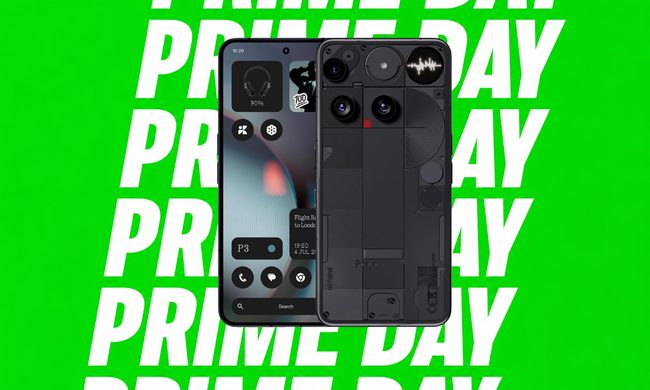
Replacing a phone for everyday use and splurging on a foldable are very different purchases. These four Amazon discounts span both, starting with a $199.99 Motorola and working up through a pen-equipped alternative, Nothing’s distinctive Phone (3), and Samsung’s Galaxy Z Flip 8.

Motorola Moto G Power (2025) - $199.99 (33% off)

Read more
Microsoft Teams is adding a safeguard against deepfake imposters in meetings
Teams is adding third-party deepfake detection for workplace calls.
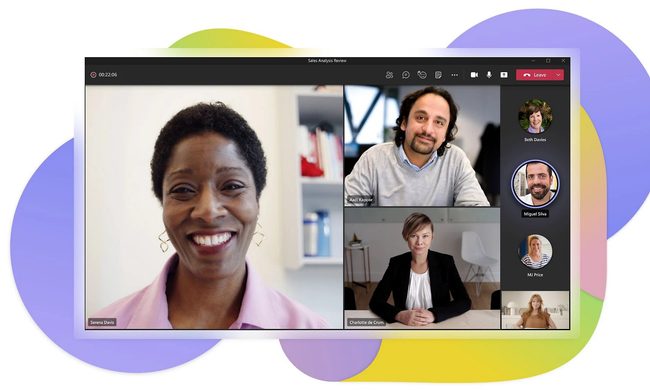
Microsoft Teams video call meeting

Deepfakes have been part of the fraud playbook for years. The rapid improvement in generative AI is now making them much easier to produce and harder to recognize. Workplaces are increasingly being targeted through fake job applicants, impersonation during video calls, and scams designed to steal money or sensitive information.

Microsoft is preparing a new Teams capability to deal with the issue. Certified third-party providers will be able to analyze meeting audio and video for signs of manipulation, then pass those signals back into Teams so organizers can react when something looks suspicious.

Read more