People first started using the word “smartphone” more than 20 years ago, but most would agree that the modern smartphone emerged a little more than a decade ago when Apple unveiled the original iPhone. Google launched Android not long after, and we’ve seen countless smartphones since then, some great, some not so great, and some truly terrible.
We’re concerned with the worst of the worst here, but there are lots of reasons that you might consider a smartphone for this list. While obscure budget devices from little-known brands may objectively be the worst smartphones of all time, they are easy pickings. We’ve decided to focus on glorious failures from the biggest brands. If you owned any of these phones, you have our deepest sympathy.
BlackBerry Storm
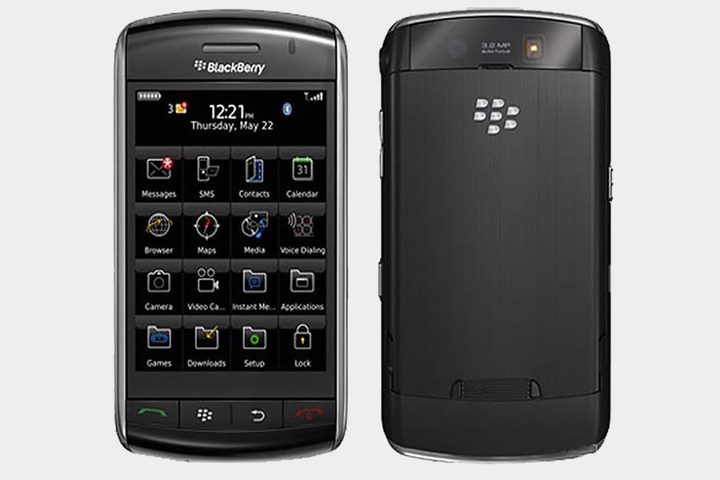
When touchscreen smartphones really started to take off, complacent smartphone giant RIM, which had been dominating with the BlackBerry range, realized it needed to jump on the bandwagon. Cue a rushed, poorly designed, ill-thought-out, stinker of a smartphone. The BlackBerry Storm had an incredibly laggy clickable screen, terrible battery life, and dated software. It also lacked Wi-Fi support. According to Buy Now , most of the one million BlackBerry Storm phones sold in 2008 were returned, and it was dubbed the “Shit Storm” by RIM employees.
HTC Thunderbolt
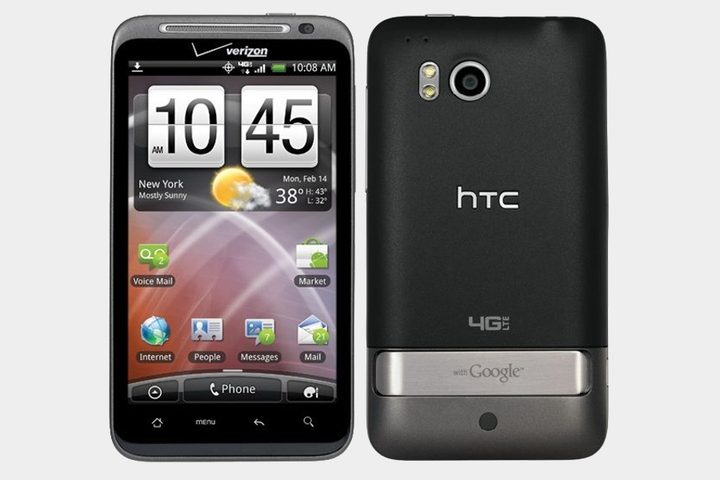
The HTC Thunderbolt was the first real 4G smartphone with LTE support to land on Verizon, but the hype soon gave way to angry customers. The launch was delayed, and when it was finally released, the limited availability of LTE networks was far from the only problem with this device. The battery life was abysmal, it had a habit of restarting itself at random, and software updates were painfully slow to come. The chunky, bug-ridden Thunderbolt, with its unusual built-in kickstand, remains one the most hated Android flagships ever released.
Motorola Droid Bionic
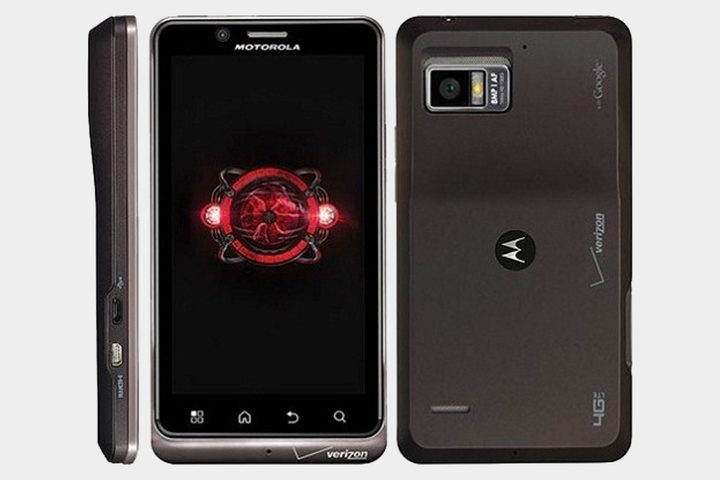
Announced at CES in January, 2011, the Motorola Droid Bionic didn’t land until eight months later. Despite the lengthy delays, which were supposed to allow for improvements, the favorably- reviewed, hump-backed Droid Bionic failed to please owners. It may have been the first dual-core 4G LTE phone, but it sadly featured a dull, PenTile LCD screen, a slow camera, and disappointing battery life. Throw in MotoBlur — one of the worst Android manufacturer skins ever created — and a smattering of random crashes and lag, and you have a very unpopular device. Support for the expensive “Lapdock” accessory, which turned the Bionic into a wee laptop like the Atrix before it, didn’t help.
Amazon Fire Phone

Having done well with tablets, Amazon decided it was time to conquer the smartphone market, but for some reason it abandoned the budget approach that had served it so well. Offering distinctly ordinary specs, poor battery life, a dull design with typical Amazon build quality, and sluggish performance at a flagship price all turned out to be bad ideas. Who’d have thought? Featuring Fire OS — Amazon’s forked version of Android — the Fire Phone lacked support for Google apps, along with a host of other top Android apps. To make up for that, Amazon decided to include a gimmicky 3D effect without an obvious purpose and a special Firefly mode in the camera to allow you to point at real-world objects and identify them – but only if they were available to buy on Amazon. It took just three months for Amazon to admit defeat and accept a $170 million loss.
Samsung Galaxy Note 7
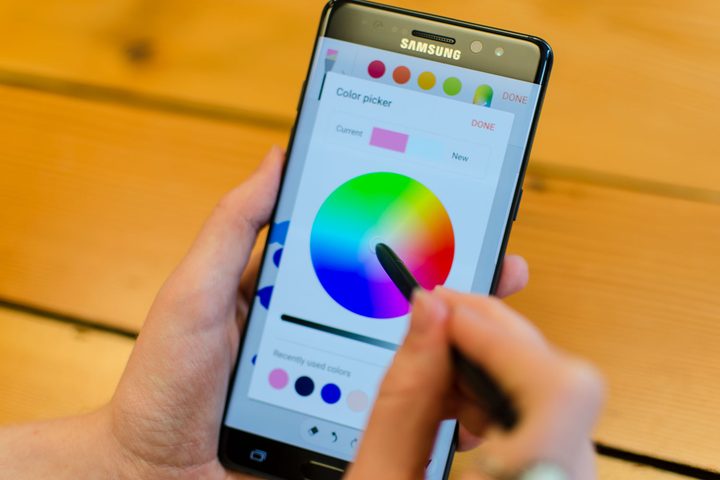
Samsung was ridiculed when it first released the Note series, but bigger phones were quick to catch on, and each new iteration sold better than the last. As a beautifully designed powerhouse of a phone, with special S Pen stylus support, things started out well for the Note 7 with a series of rave reviews. The smartphone secured its place on this list when a handful of devices spontaneously exploded or burst into flames. It may have been a great phone when it wasn’t on fire, but a faulty battery capable of causing explosions is not something you can ignore. The issue eventually prompted a global recall.
Dishonorable mentions
With space for just five on our list of the worst smartphones, there were plenty of candidates that didn’t quite make the cut. Here are a few of them.
Microsoft Kin One
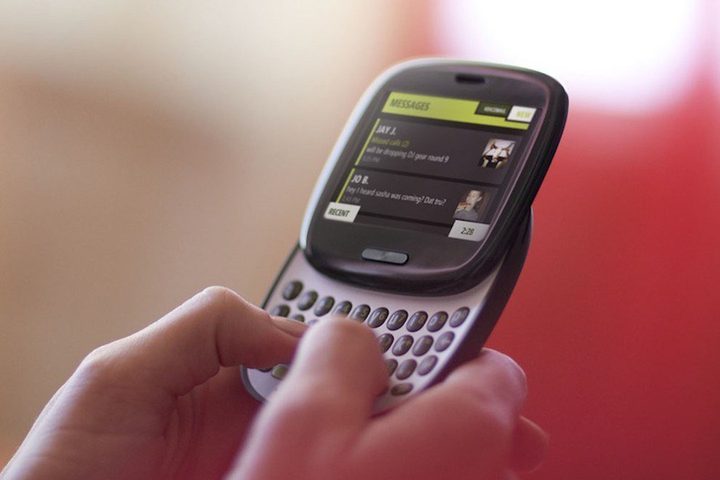
The only reason that the Microsoft Kin One and Two don’t make this list is because they can’t really be described as smartphones. Microsoft spent more than two years and $1 billion on these sliding social phones that no one wanted to buy.
HTC ChaCha
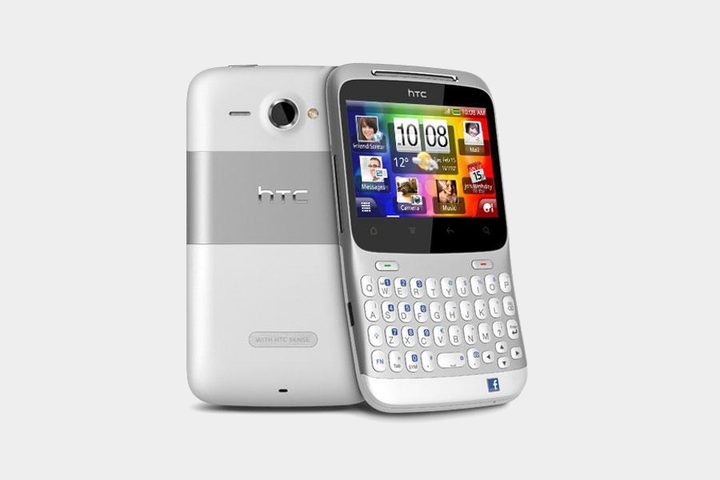
Like a weird Android BlackBerry with a dedicated Facebook button, the horrendously-named HTC ChaCha was a cringeworthy release that proved that no one really wants a Facebook phone. It was released alongside the Salsa, which ditched the keyboard. For some reason, possibly contractual, it was followed by the HTC First a year later, which launched Facebook’s widely disliked Home user interface.
Asus Garminfone
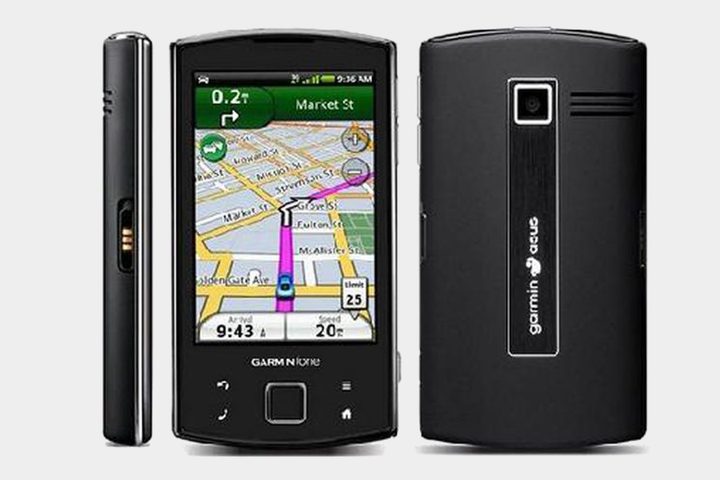
The Asus Garminfone made it clear that SatNav manufacturers would not be muscling into the phone market in response to Google eating their lunch with its free Google maps software. A misplaced focus on navigation, poor camera, and bad battery life were some of its biggest issues.
HTC Evo 3D
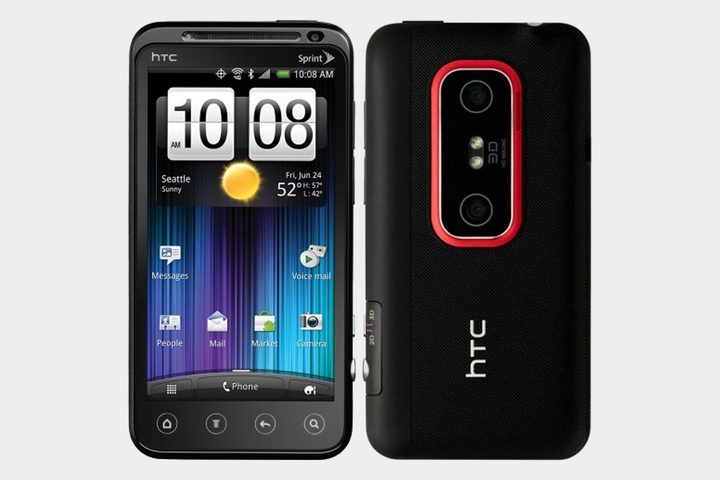
We must praise HTC for its unrelenting drive to innovate before we mention yet another phone from the Taiwanese manufacturer. This time it’s the HTC Evo 3D, which had dual cameras long before it was cool, but in this case, they were for shooting 3D videos that no one would ever watch. If 3D couldn’t crack TVs, it was certainly never going to crack phones.
Samsung Fascinate
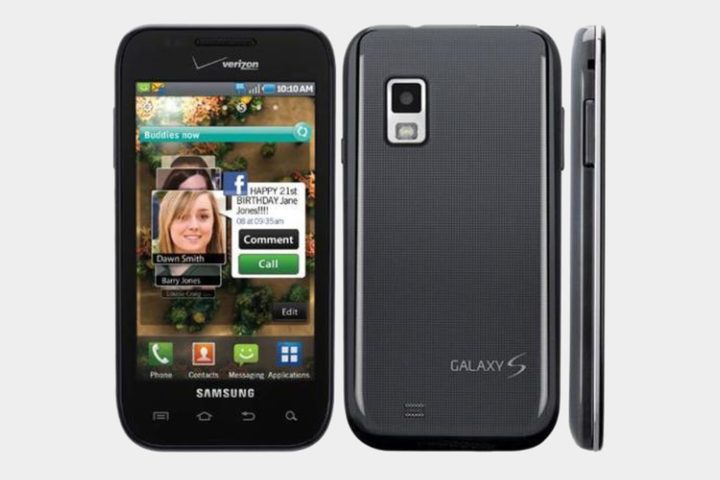
Back in the days before Samsung could call the shots, it made a different version of the Galaxy S for each carrier, and the most hated by far was the Samsung Fascinate on Verizon. Although it suffered from a persistent GPS problem, it was a good phone until Verizon got its hands on it. Not content loading it with bloatware, Verizon also made Microsoft’s Bing the default for search and navigation.
Everyone’s experience with smartphones is different, so if the worst smartphone you ever owned isn’t listed, let us know what it was and why in the comments.