

September is becoming a very interesting month for foldable phones, and Xiaomi has just added another to the pile. The Xiaomi 18 Fold has launched in China with a shorter, wider shape that looks a little like a passport when closed. It’s quite a departure from the tall and narrow book-style foldables we’ve become used to, but Xiaomi isn’t alone in thinking this might be the way forward.
Samsung already went down a similar road with the Galaxy Z Fold 8 in July, giving it a shorter, wider footprint and a 4:3 display when unfolded. Apple is expected to reveal its first foldable iPhone on September 9 — just two days after Xiaomi’s launch — and rumors have repeatedly pointed toward a similar passport-style design. Then there’s Huawei, which launched the Mate XT 2 today as well, although it is taking things in an entirely different direction with a tri-fold design.
Passport-style foldables might be having a moment
The Xiaomi 18 Fold has a 5.38-inch screen on the outside and opens into a 7.58-inch display. But the more interesting part is how Xiaomi has packaged those screens. At 219 grams, the phone isn’t dramatically heavier than some regular flagship phones. It measures 10.68mm when folded and shrinks to just 5.02mm when you open it. Samsung’s Galaxy Z Fold 8 has already shown some of the advantages of going shorter and wider. The more compact dimensions can make a foldable easier to handle when closed, while opening it gives you something closer to a small tablet. Xiaomi is now betting on essentially the same idea. It has also managed to squeeze in a 6,000mAh silicon-carbon battery, complete with 67W wired and 50W wireless charging. That’s a pretty impressive combination for a foldable this thin and light.
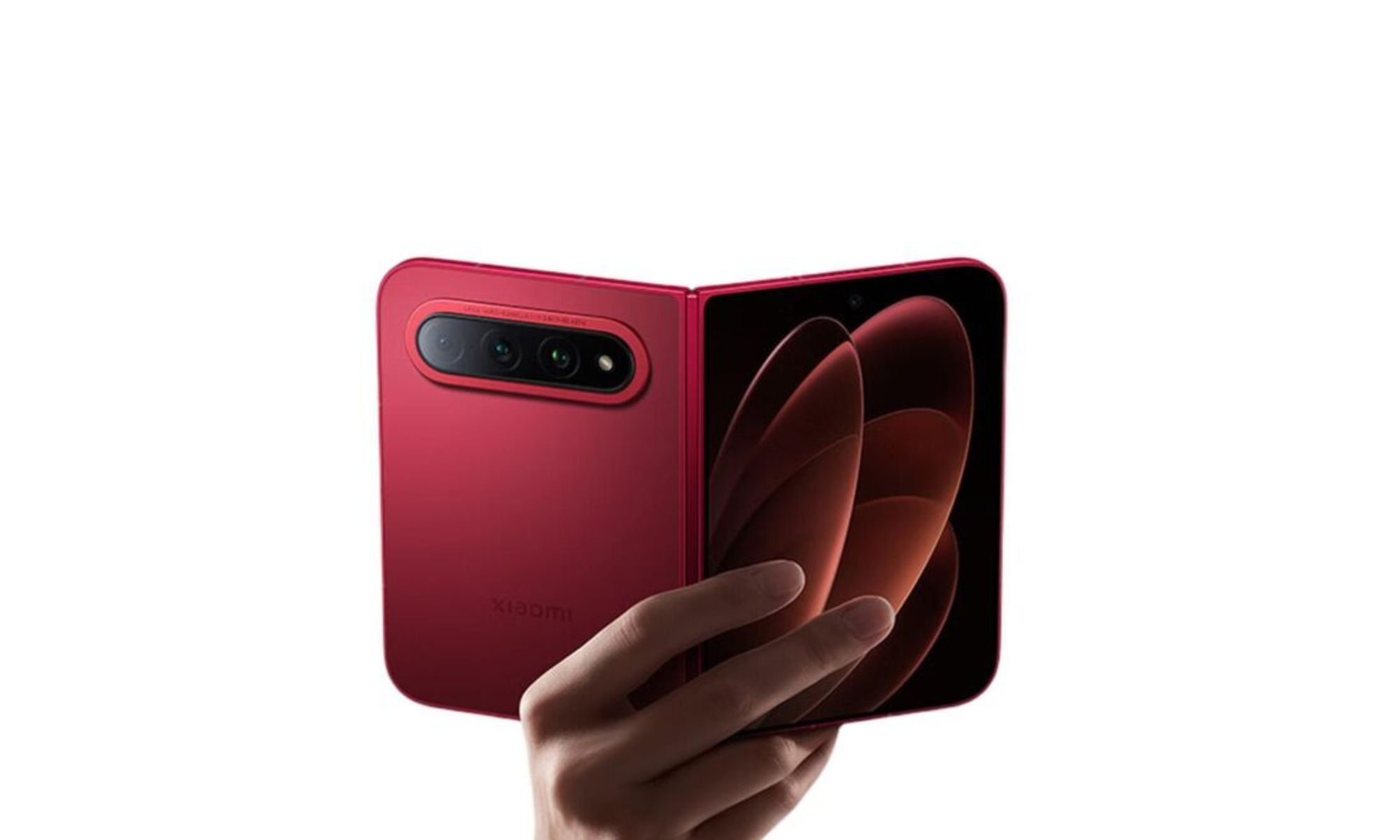
The cameras sound suitably flagship-like too. There’s a 200MP Leica-branded main camera alongside a 50MP periscope telephoto and a 50MP ultrawide. Inside, Xiaomi is making another big change. The 18 Fold debuts the company’s own 3nm Xring O3 processor instead of relying on Qualcomm silicon, paired with up to 16GB of RAM and 1TB of storage. HyperOS 4, based on Android 17, handles the software side.
Apple is arriving right in the middle of all this
The timing is what makes the Xiaomi 18 Fold especially interesting. Huawei launched the Mate XT 2 on the same day, pushing in the opposite direction with two hinges and a 10.2-inch screen. Huawei’s new tri-fold starts at 19,999 yuan, making it a considerably more extravagant proposition than Xiaomi’s 10,999 yuan starting price. Samsung, meanwhile, already has the Galaxy Z Fold 8 on sale. Its passport-like redesign was one of the biggest departures from previous Galaxy Fold models, and early reports suggest the new form factor has been well received. And then, on September 9, Apple is expected to enter the foldable market for the first time.
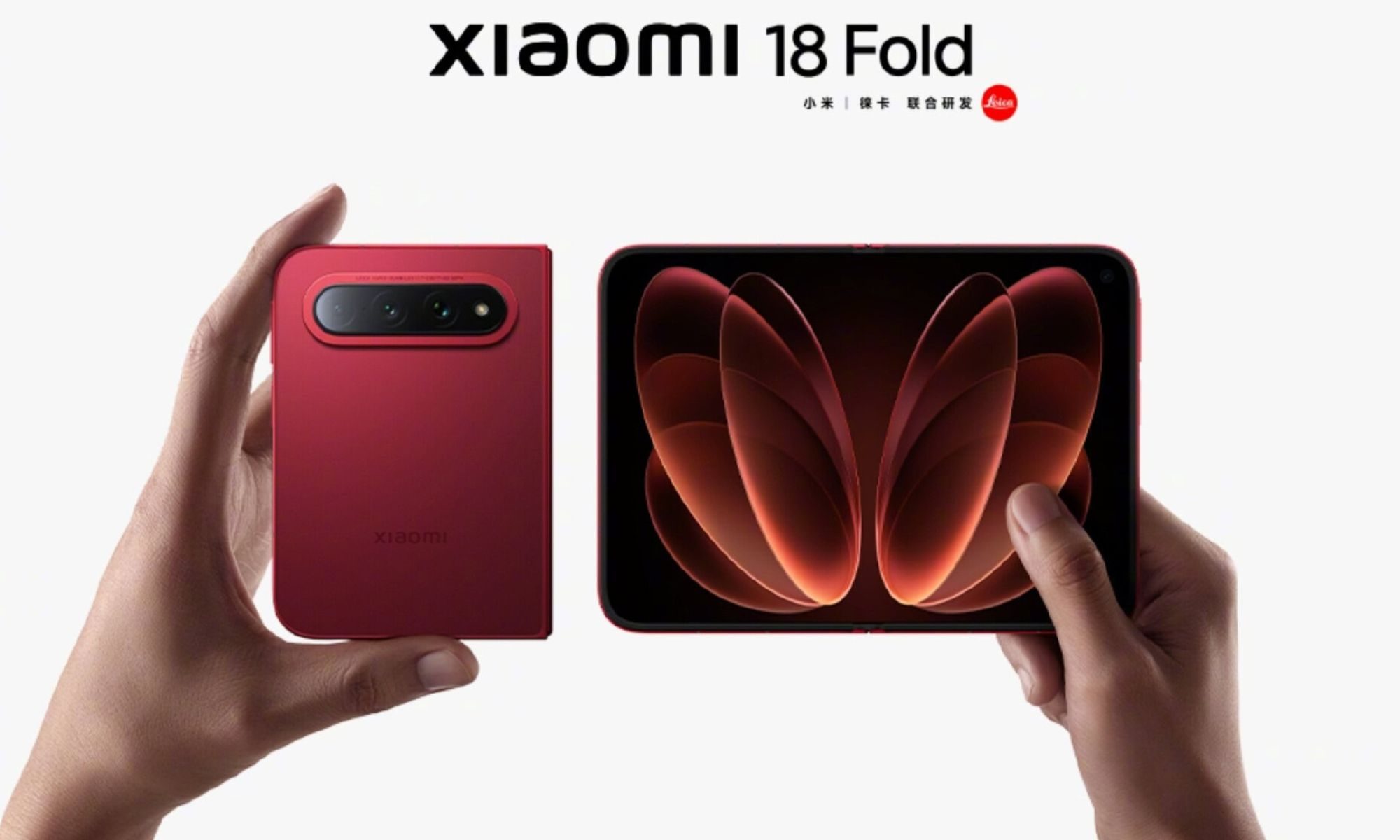
That could make the shape of its first foldable particularly telling. If Apple does adopt the shorter, wider design we’ve been hearing about, it would put three of the industry’s biggest smartphone makers behind roughly the same idea: a foldable that’s compact when closed but turns into a squarer, tablet-like device when opened. Xiaomi has made sure its version is here before Apple’s. The Xiaomi 18 Fold starts at 10,999 yuan ($1,640) in China, with sales beginning September 10. There’s no word yet on whether it will be released internationally. Whatever happens next, 2026 is starting to look like the year foldable phones finally figure out what shape they want to be.


