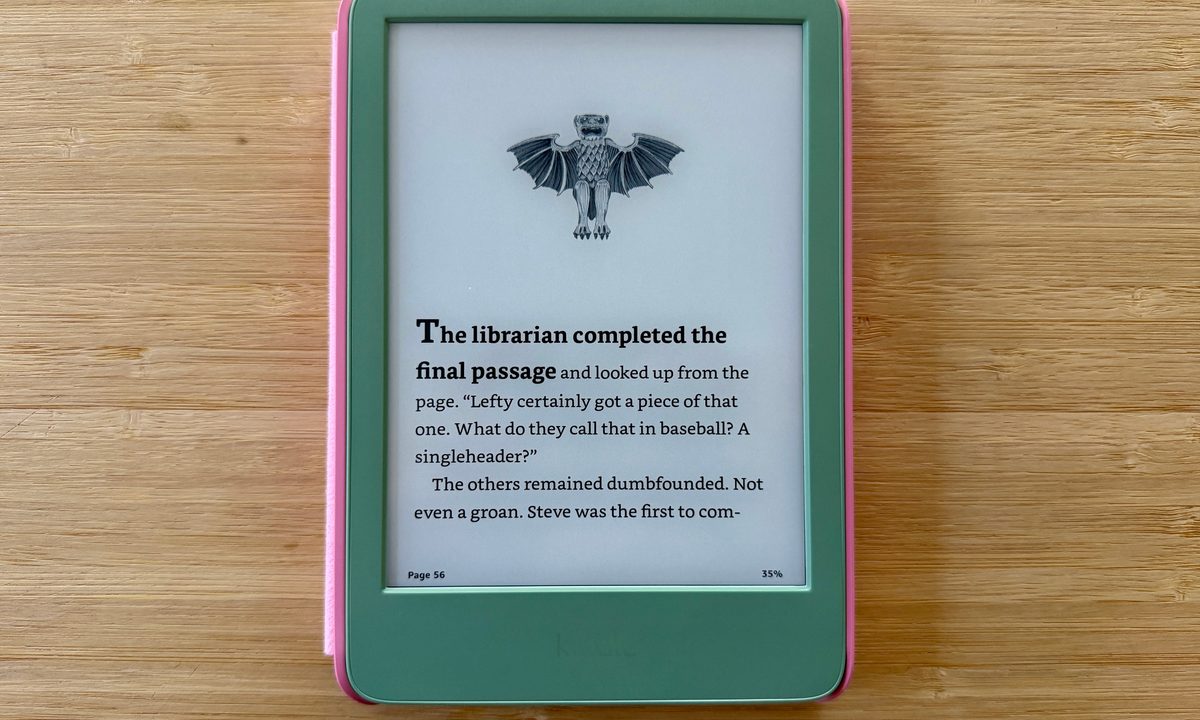
I have plenty of apps on my phone reminding me to drink water, stand up, exercise, and stop staring at the screen. Singapore is taking a slightly different approach: instead of another reminder telling people what to do, it’s adding a reward. The country has launched a new initiative designed to turn reading into a daily habit. Spend at least 15 minutes reading, record the session through the government’s platform, and you’ll receive 20 virtual coins.
Collect 1,000 of them, and you can exchange them for S$ 1, or roughly 80 cents in the US. Since only one reading session counts each day, reaching that first dollar takes 50 days. Nobody is getting rich here, obviously. But that’s what makes the idea interesting. The cash functions more like the achievement badge or daily streak you’d find in an app, except this one tries to pull your attention away from the screen.
Your reading habit now has a progress bar
Fifteen minutes is a deliberately small target. It’s short enough to fit into a commute, a lunch break, or those few minutes before bed. And those little gaps are exactly where phones tend to sneak in. Open Instagram to check one notification, jump to a few Reels, watch another recommended video, and suddenly that tiny break is gone. Singapore’s National Library Board is essentially trying to redirect one of those moments toward something that requires sustained attention.

The wider concern is how much time people, particularly younger users, spend on social platforms. Singapore has been exploring ways to reduce potential harms from social media, including daily usage limits. A recent study in the country also identified doomscrolling and addictive social media use among the most common harms reported by young people.
It’s basically a fitness challenge for books
Singapore has actually tried this kind of thing before. It has previously rewarded people for walking and hitting daily step goals, so applying the same idea to reading isn’t completely out of left field. This time, though, the goal isn’t to get people moving. It’s to get them to put the phone down for a few minutes and stick with something longer than the next post on their feed.

And it’s not as though Singapore has a reading problem in the traditional sense. Its 15-year-old students topped the reading rankings in the 2025 PISA assessment. So this feels less like an attempt to convince people that reading matters and more like a nudge to actually make room for it in a day that’s already packed with notifications, short videos, and endless scrolling. Will S$1 after 50 days suddenly have everyone reaching for a book? Probably not. But the money almost feels secondary here. If checking in every day is enough to make reading a habit, you might keep doing it long after you’ve stopped caring about the coins.