1. Home
  2. Phones
  3. News

Your Snapdragon phone is about to play nicely with iPhones

Add as a preferred source on Google
Android Quick Share with iPhone AirDrop
Google Pixel 10 series' Quick Share works with iPhone AirDrop Google

What’s happened? Qualcomm has officially confirmed that its Snapdragon-powered smartphones will gain support for Android’s Quick Share feature to transfer files directly to iPhones via Apple’s AirDrop protocol. Previously, this capability was limited to Google’s Pixel 10 lineup. The company posted the news via the official Snapdragon account on X, signalling broader compatibility is “coming soon.”

  • Technical leaks show the feature uses Android’s Quick Share transfer stack linked to AirDrop’s discoverability settings.
  • The upcoming support could include many Snapdragon-based devices beyond the Pixel 10, from top players like Samsung and Motorola.
  • While there’s no firm timeline yet, the announcement marks a shift toward deeper cross-OS collaboration between Android and iOS ecosystems.

Can’t wait for people to use this once enabled on Snapdragon in the near future. https://t.co/IUvT23p5pq

— Snapdragon (@Snapdragon) November 21, 2025

Why this is important: For Android and iPhone users alike, this update removes a longstanding barrier: the inability to share files directly across the two platforms without workarounds. With Android adopting AirDrop compatibility via Quick Share, sharing photos, videos, or documents becomes seamless, whether you’re in a mixed-platform household or sending files from friends with different devices.

  • This bridges a usability gap that has long frustrated users who switch between Android and iOS.
  • It strengthens Android’s ecosystem appeal: owning a Snapdragon phone now means easier interactions with Apple device users.
  • From a market standpoint, it tilts the value proposition for Android phones, making them more compatible in mixed-device environments, which is key for teams and families.
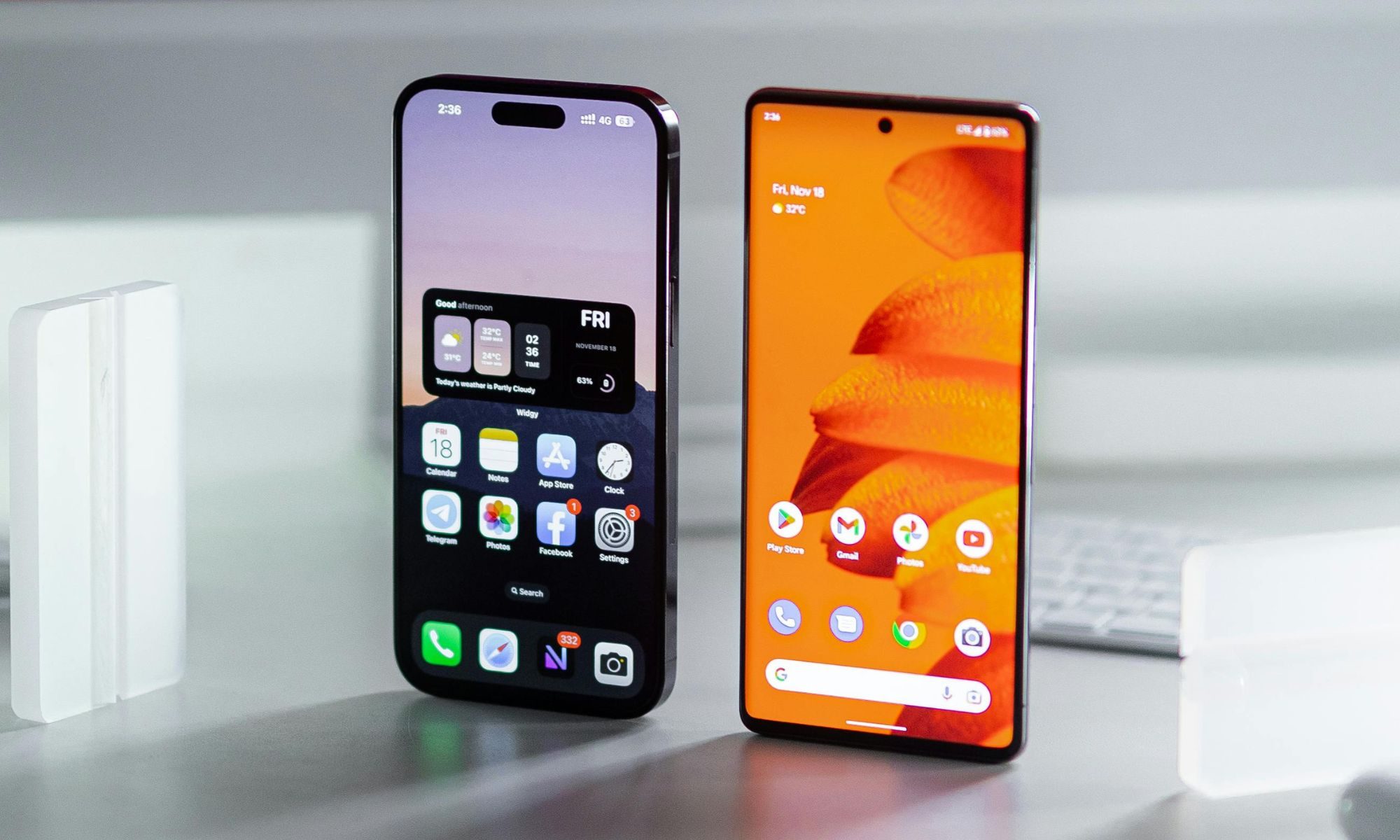
Why should I care? Google’s Pixel 10 may have been the first Android phone to talk directly to an iPhone via Quick Share, but Snapdragon support is what actually makes this a big deal. Snapdragon chips power the majority of Android phones worldwide, from Samsung’s Fan Edition models to OnePlus, Nothing, Motorola, and dozens of mid-range and budget devices. That means this update isn’t just for a niche group of users anymore; it suddenly applies to a massive portion of the Android ecosystem. If you’ve ever struggled to send photos or videos to an iPhone user, this upgrade will feel instantly useful.

Recommended Videos

There’s still a little waiting game, though. It’s reasonable to expect MediaTek and Exynos-powered phones to eventually pick up the feature too, but neither company has formally confirmed support yet. So while most Android users are now in the “you’ll get this soon” club thanks to Qualcomm, a segment of devices is still in the “hopefully later” column. Nonetheless, if your phone runs a Snapdragon chip, this news directly benefits you, and it may finally end the long-running cross-OS file-sharing headache.
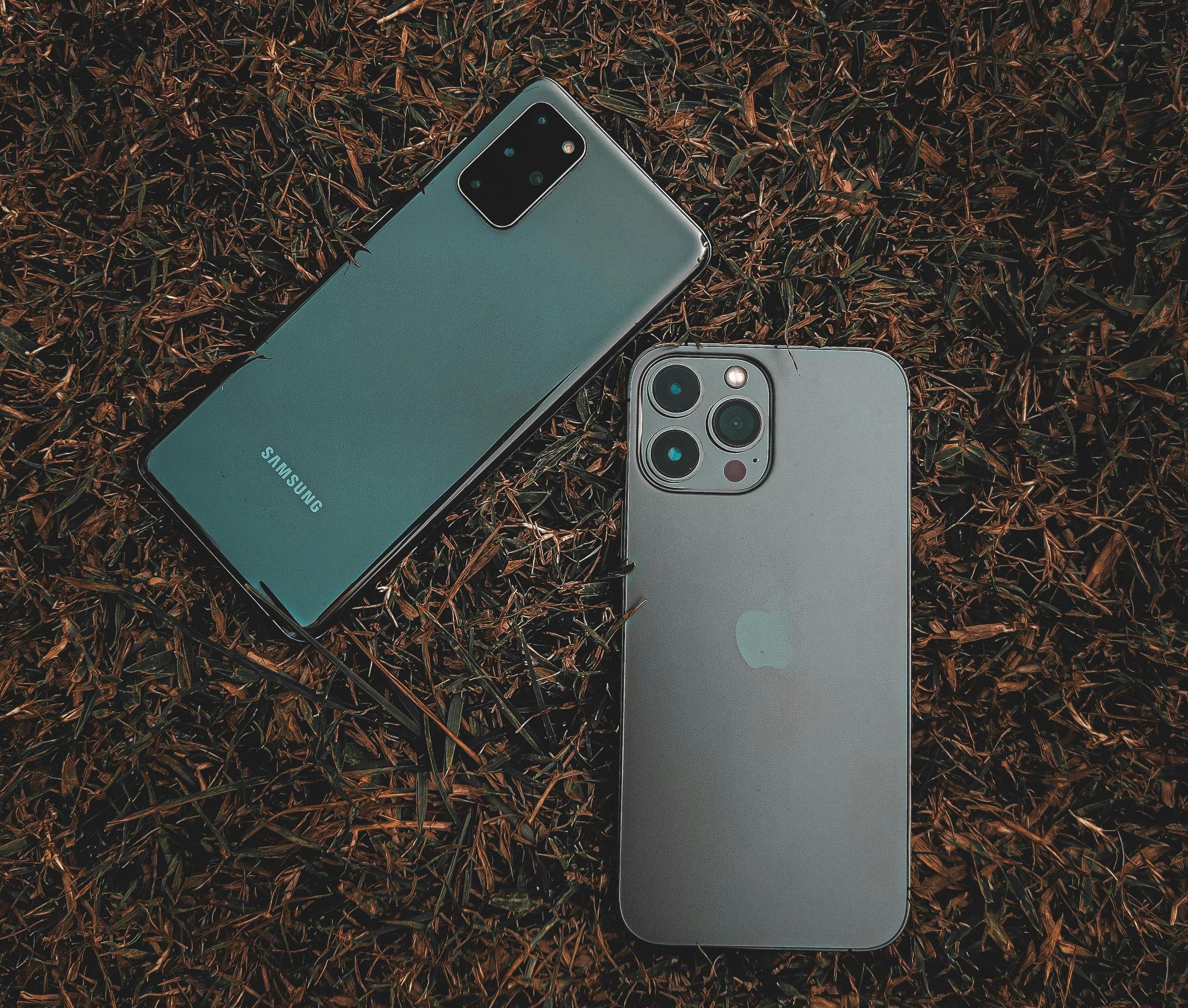
Okay, so what’s next? Now that Qualcomm has confirmed support, the next step is for phone makers to roll out updates enabling Quick Share on their Snapdragon models. We’re also waiting to see whether MediaTek and Samsung’s Exynos follow suit, which would make the feature truly universal. For now, if you’re on a Snapdragon phone, you’re at the front of the line.

Varun Mirchandani
Varun is an experienced technology journalist and editor with over eight years in consumer tech media. His work spans…
Google’s older Pixels may have just become far better retro gaming machines
Google Pixel 11 Pro Review Zenless Zone Zero

I've spent enough time trying to turn Android phones into game consoles to know that raw horsepower only gets you so far. On the Red Magic 11S Pro, I've tested console emulation alongside Android games and eventually pushed things much further by getting the PC version of Ghost of Tsushima running locally through GameHub.

While all of this was possible thanks to powerful Snapdragon hardware, there's another reason Qualcomm-equipped Android devices have traditionally been particularly attractive to emulator enthusiasts. Adreno, the GPU that powers these devices, have access to custom graphics drivers such as Turnip. So phones using ARM's Mali GPUs haven't had the same advantage. But now, ARMSX2 2.8.3 is finally changing that.

Read more
Samsung may give the Galaxy S27 Ultra a major eye comfort upgrade
A new leak suggests Samsung could add DC dimming to reduce OLED flicker on its next flagship phones.
Samsung Galaxy S26 Ultra smartphone in blue color.

Samsung’s Galaxy S27 Pro and Galaxy S27 Ultra are shaping up to look quite different from the current generation, but the changes underneath may not be nearly as dramatic. Camera processing is reportedly being tweaked for warmer, more natural-looking photos, while certification filings point to a much-needed battery bump.

A fresh leak, however, points to an upgrade that could matter a lot more to people with sensitive eyes. Tipster WalleGalaxy claims Samsung will introduce DC dimming support on the Galaxy S27 Pro and Ultra, potentially moving away from the PWM-only approach it has relied on for years. The current Galaxy S26 series still uses PWM at around 480Hz and offers no DC-like flicker reduction option.

Read more
Apple is making sure you can’t walk into a store without bumping into the iPhone Duo
Apple is putting the iPhone Duo on display like it’s the star of the show
Photography, Face, Head

Apple is preparing an unusually large retail push for the iPhone Duo, its first foldable iPhone, with flagship stores expected to feature dozens of hands-on demo units and dedicated displays. The aim is to give customers a proper look at the foldable device before deciding whether it is worth the premium price.

According to Bloomberg’s Mark Gurman, Apple is planning more than 150 demo units at its Fifth Avenue flagship in New York City. The Apple Park Visitor Center is expected to have nearly 100, while stores on Michigan Avenue in Chicago, the Grove in Los Angeles, and Manhattan’s Upper West Side could each receive around 30 to 40 units. Smaller stores are expected to have roughly 20 demo devices.

Read more