ZTE is back! After a long and stressful year for the company, it finally looks as though ZTE is ready to get back to business with the announcement of the new ZTE Axon 9 Pro.
While ZTE announced that the Axon 9 Pro was coming a few days ago, we now finally have a better look at the phone’s specs and design. Notably, it seems as though the new phone, like the Axon 7 before it, will be a great option for those that want flagship specs at a reasonable price.
Here’s everything you need to know about the new ZTE Axon 9 Pro.
Design
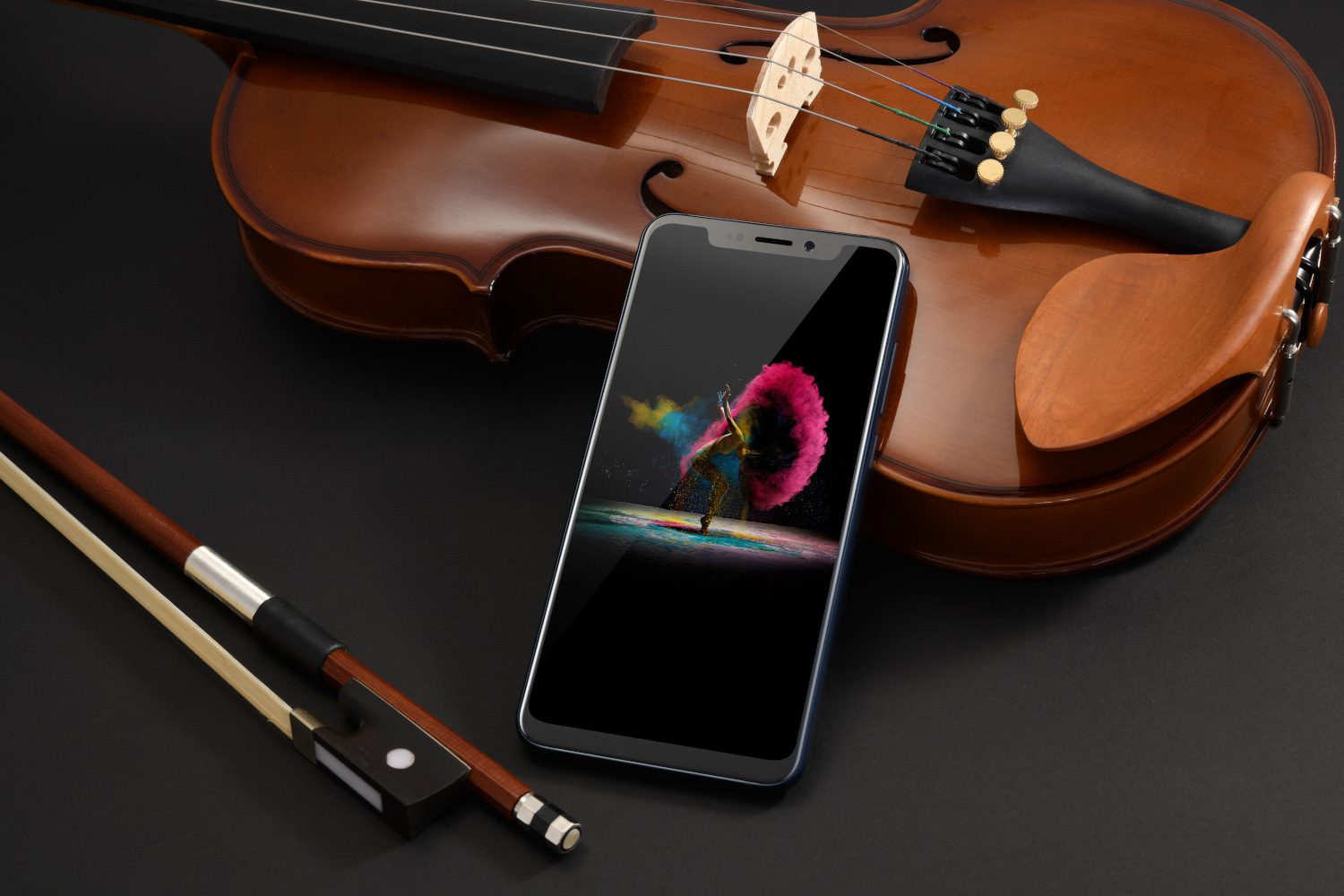
Like many other flagship phones, the ZTE Axon 9 Pro features an edge-to-edge display with a notch at the top — whether or not you like it or hate it, the notch is here to stay for a while. Under that notch, the device boasts a 6.21-inch AMOLED display with a Full HD+ resolution. That display has an aspect ratio of 18.7:9, which ZTE says makes it great for watching movies, playing games, and so on. Also of interest is the fact that the phone features ZTE’s “Axon Vision,” which the company says helps deliver rich and deep color reproduction, smooth motion in videos, and HDR10 support.
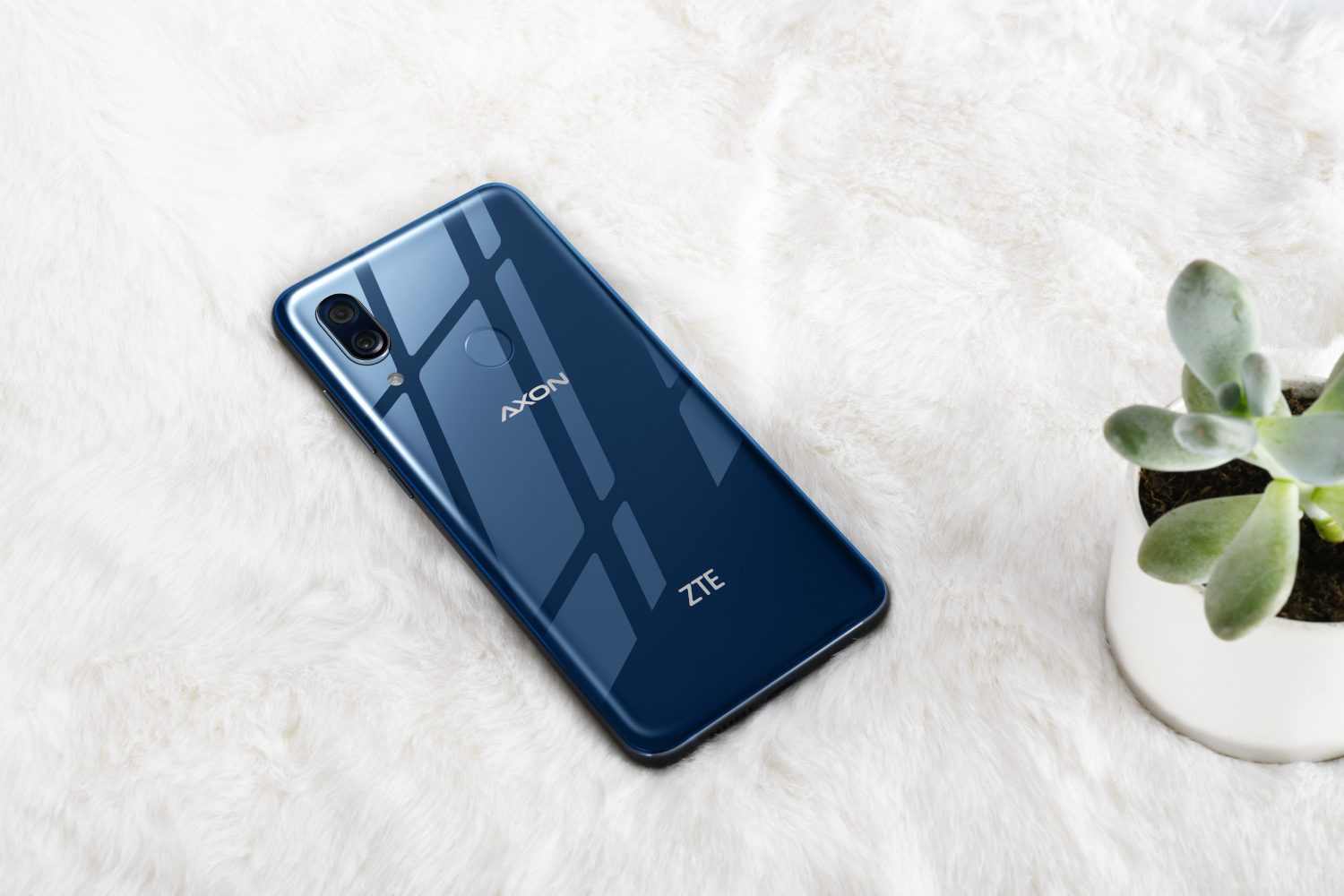
On the back, the iPhone X-copying seems to continue — though that’s not necessarily a bad thing. The device features a dual-sensor camera aligned vertically on the top left-hand side, and there’s a nice, glossy finish on the device.
The phone is water-resistant, featuring an IP68 rating — meaning that while you probably shouldn’t take it swimming, if it falls in the bath, it should survive just fine.
Of course, design is one thing — but it’s what’s under the hood that’s arguably more important.
Specs and camera
Like previous Axon phones, the Axon 9 Pro features flagship specs, including the Qualcomm Snapdragon 845 processor, coupled with a hefty 6GB of RAM and 128GB of storage. The battery capacity comes in at 4,000mAh, and can be charged both through the USB-C port or wireless charging.
The rear-facing camera, as mentioned, features two sensors, including one 12-megapixel primary sensor, with an aperture of f/1.75 and optical image stabilization, and one secondary wide-angle sensor with a 20-megapixel resolution and autofocus. On the front, you’ll find a 20-megapixel camera, which isn’t bad at all.
In general, the specs on this phone are very good. While we’ll have to wait and see just how well the phone’s camera performs, it’s safe to say that it should do very well in general performance.
Perhaps the biggest issue with the phone is that it features Android 8.1 Oreo, which is an outdated version of Android and really has no place on new flagship phones. We’re hoping that ZTE quickly upgrades the device, but given the company’s track record, that may not happen.
Price and availability
The ZTE Axon 9 Pro will be available for 649 euros, but unfortunately it won’t be coming to the U.S. Instead, it’ll be available in Germany at the end of September. Hopefully, it’ll get a wider rollout soon after.
A standard ZTE Axon 9 has also been rumored, and ZTE even mentioned it in an announcement a few days before the official unveiling. It’s unclear if ZTE meant to announce the Axon 9 Pro and simply forgot to say “Pro,” or if there’s another phone in the works. We’ll update this story when we hear more.
Updated August 30, 2018: ZTE has released information about the ZTE Axon 9 Pro.