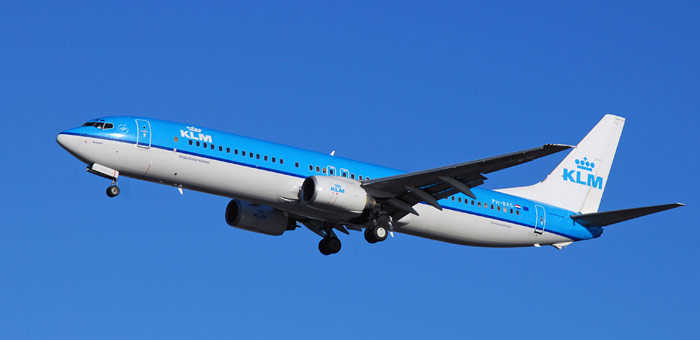
 According to travel site tnooz, KLM Royal Dutch Airlines will launch a new feature next year called “meet & seat,” an opt-in application that integrates your Facebook and LinkedIn contacts to provide more friendly flights.
Using these sites’ social graphs, users will see other buyers’ profiles. This, in turn, gives you some information about where you might want to sit: near an old business contact or maybe as far away from him as possible, for example.
Obviously since this is an opt-in tool, consumers won’t have their Facebook or LinkedIn accounts automatically fed into the system. Still, we can imagine a few less than ideal scenarios this technology could yield. There’s definitely a creepy factor to other flyers being able to determine they want to sit next to you. Of course if you’re flying with friends you probably know it in advance: how often do you randomly wind up on the same flight as someone you know? And then you choose to book a seat next to them (or not, that’s up to you). But just perusing the patrons of your flight and picking and choosing who you want to sit next to seems ripe for privacy problems… not to mention some awkward flights.
But we have to give it to KLM Airlines, because air seems to be the last platform social hasn’t gotten its hands on quite yet. Applications that show you who are going to concerts exist, and sites like AirBnb, Wanderfly, and GetAround have all leveraged the social-meets-travel angle. Getting specific with your flight is sort of like the final frontier of linked experiences. A few other startups have also taken notice: FlyerTalk works as a gateway to finding other users while they are traveling, and Planely is a social network that takes your travel plans and tells you who from Facebook and LinkedIn shares them (pretty much exactly like KLM’s new feature).
Neither of these startups have massively infiltrated the consumer market yet, but this could be the beginning of a new social media trend. Geo-social applications have managed to stick around and grow, and this could just be a step in their evolution.
Editors' Recommendations
- You can now use the Add Yours sticker on Reels for Facebook and Instagram
- WhatsApp now lets you control who can see your profile
- You’re probably seeing more social media propaganda, but don’t blame the bots