
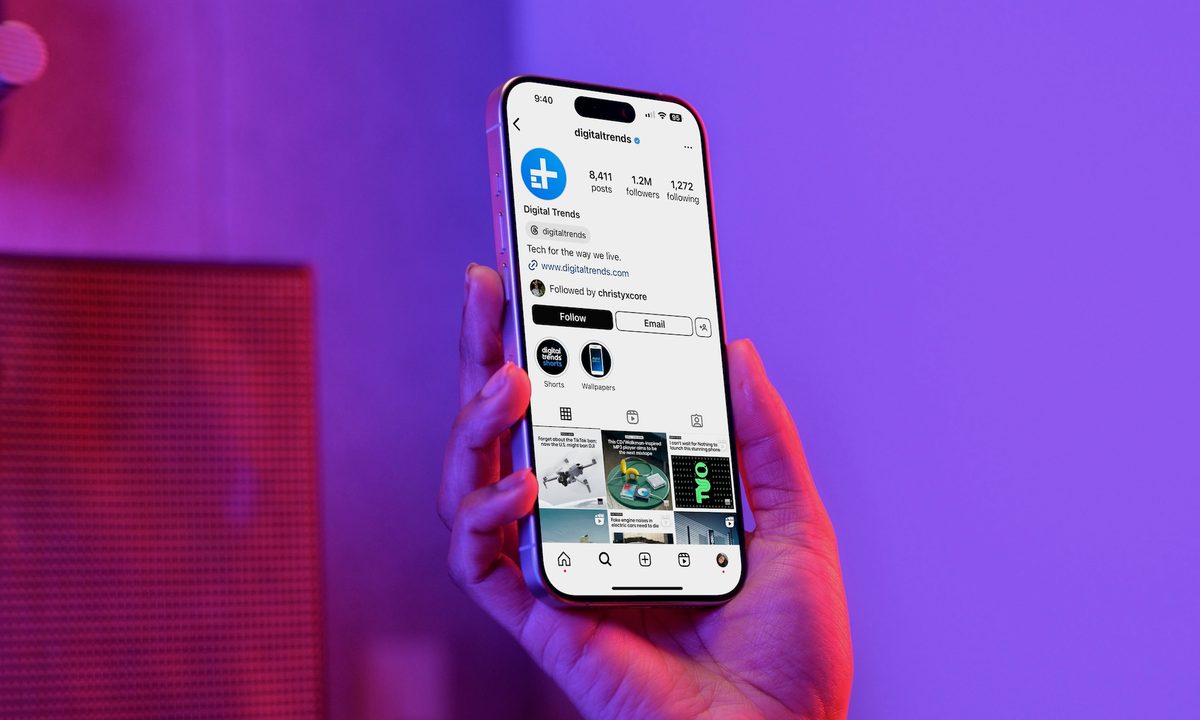
Imagine waking up to find your Instagram account suspended because someone claims you stole their content. You might know that the claim is false, but appealing it could take weeks. If you’re a content creator, each day offline could cost you money. Meanwhile, the person behind the complaint offers to make the problem disappear for just a few hundred dollars.
According to a new BBC investigation, Instagram creators are being hit with this new online racket. Scammers are filing bogus copyright complaints and demanding payment to withdraw them, exploiting the fact that repeated claims can put an account at risk of suspension. The account owner may still have their password and login credentials, but that does little good when their content or account has been taken offline.
A $50 ransom was cheaper than waiting for Meta
The BBC spoke with Olly, who runs the Lost in Time History Instagram account, which has more than 1.5 million followers. He says he has received dozens of false copyright complaints this year, despite posting public-domain images or material he has permission to use. After his account was temporarily taken down, Olly paid a scammer $50 in cryptocurrency to restore it. He said waiting weeks for Meta’s appeal process had previously cost him thousands in lost income.
The BBC also reviewed messages from claimants demanding money, including one request for $900 to withdraw a strike. The problem extends beyond one creator. In India, multiple creators have approached the Delhi High Court over alleged abuse of Meta’s copyright system. Back in July, an Indian Express investigation revealed a separate alleged method involving manipulated Facebook post timestamps, while a public-interest petition compiled complaints from 40 creators. These cases show how copyright enforcement can become a pressure point for people whose businesses depend on social media.
Meta claims it has added protections, but the loophole still exists

Meta told the BBC that it had restored affected content and added protections to safeguard the accounts against further attempts. The company also said its systems are designed to prevent this kind of abuse. It has not, however, announced a broader fix or explained whether the new protections will apply to all creators facing similar claims.
Copyright enforcement is integral, and still, legitimate rights holders need a way to remove stolen work. The difficulty is distinguishing those complaints from fraudulent ones quickly enough that innocent creators are not forced into a choice between losing income and paying an extorter. Meta has been expanding its account-support tools, including an AI support assistant for Facebook and Instagram. But for now, this report just shows how quicker support is just a part of the solution.


