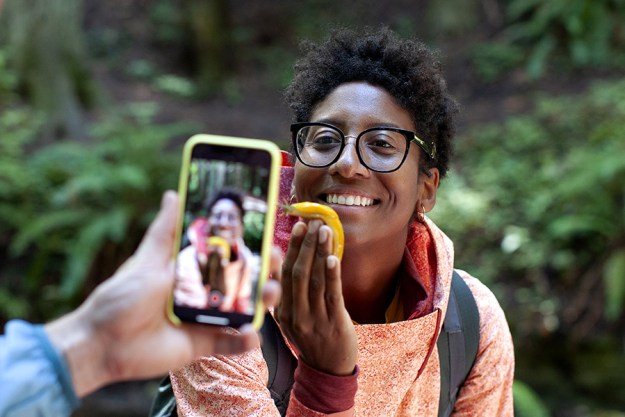
Seeing people in uniform take selfies is generally amusing because the pictures provide a glimpse at the person underneath the authority. And that humanizing element is why police departments are starting to ban cop selfies — they don’t want to undermine the seriousness of the office.
But the London Fire Brigade is taking a more positive approach to selfies, and instead of banning them, they’re using them to spread fire safety awareness leading up to a firefighter’s strike on September 25. The strike will last for four hours and there is a contingency plan, so it’s highly unlikely that there will be an uptick in fires without firefighters, but the department is using this opportunity to remind people about fire safety.
The brigade is asking people on social media to tag photos of themselves taking steps to prevent fires. In a press release, the brigade encouraged photos of users testing their smoke alarms, keeping an eye on their cooking, properly disposing of cigarettes, and taking other preventative measures. Users who take these pictures are asked to tag them #safetyselfie. Hundreds have been posted to Instagram, Twitter, and Facebook, some by members of the fire brigade, and others from people who like the campaign.
Desperate for 5.30? Before you hit London town, make sure your hair straighteners are unplugged #safetyselfie pic.twitter.com/YoU2sh0icL
— London Fire Brigade (@LondonFire) September 20, 2013
Never leave a lit candle unattended. Or near a cat. #safetyselfie @LondonFire pic.twitter.com/yhnnLCLchH
— Tony Kinson (@mrkinski) September 20, 2013
Time for another #safetyselfie! Good idea to hit the button on your smoke alarm weekly. @londonfire pic.twitter.com/38rJFrp5jK
— hollyjunesmith (@hollyjunesmith) September 19, 2013
And the idea of using social media to launch public safety awareness campaigns appears to have caught on across the pond. A police department in North Carolina also urged residents to get on social media and showcase safety tips:
Help Spread Awareness about Child Passenger Safety Using Social Media Snap and share a #SafetySelfie RALEIGH –… http://t.co/X8Ub3MESBz
— Apex Police Departme (@ApexPolice) September 18, 2013
@asheville help us promote #ChildPassengerSafety week – post your #SafetySelfie, kids edition! #therightseat #ncdot pic.twitter.com/YHyHoCtut8
— Heather O. Jeffreys (@HeatherJeffreys) September 18, 2013
The North Carolina campaign is focused on child safety, so the pictures don’t have anything to do with fire, which might confuse people looking at the hashtag and expecting to see the London campaign — but is generally a positive indication that this idea is spreading, and other departments and institutions will start to think more creatively when it comes to using selfies as educational tools instead of for humble/totally-not-humblebragging.