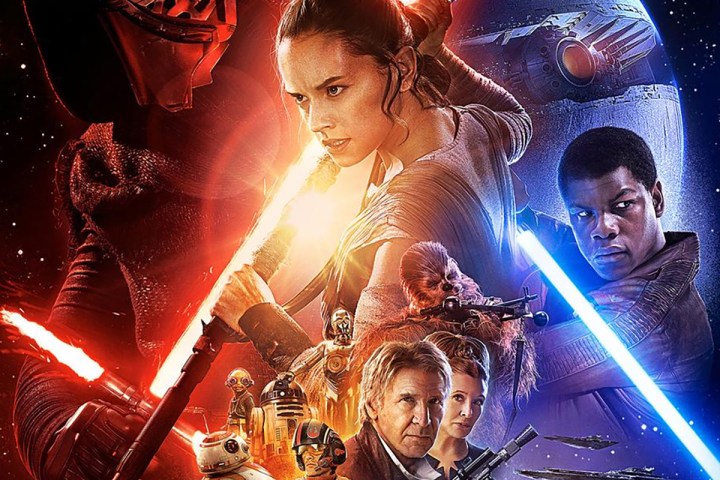
According to comments attached to the hashtag, Star Wars: The Force Awakens is “promoting white genocide” because the movie’s lead actors aren’t white males. The movement to boycott the film began Sunday and has since expanded into a Twitter profile of the same name, with 156 followers (at time of posting).
The account attempts to explain its purpose through hate-filled comments and retweets, such as, “#BoycottStarWarsVII because JJAbrams said he hates white people and he promotes #WhiteGenocide.” Other complaints include accusations that through the portrayal of a diverse cast of characters, the movie attempts to push an agenda, presumably to force us into accepting that everyone deserves representation and not just Wookies and Ewoks.
The latest boycott isn’t the first time racists and bigots have expressed their unhappiness over an actor or actress’s representation as a Star Wars character. As The Nerds of Color mention, the current movement is an outgrowth of the #BlackStormtrooper hashtag that went around when John Boyega’s part as a stormtrooper was revealed. And, Hollywood Reporter reminds us of the backlash that occurred with Chuck Wendig’s inclusion of a gay Imperial officer in his novel, Star Wars: Aftermath.
Due to its overwhelming popularity and the movie’s history of dedicated fans, supporters have since derailed and taken over the hashtag to point out that this isn’t the first movie in the Star Wars series to include leads of color.
Can’t believe the bigotry in the #BoycottStarWarsVII posts. So, here’s the badass who blew up the 2nd Death Star. pic.twitter.com/ybHkyHus9G
— Christopher X. Morse (@SuperCorner) October 19, 2015
Welp I hope #BoycottStarWarsVII supporters dont find out darth vaders voice was a BLACK MAN pic.twitter.com/iWLXDo2TqR
— BrokenGamezHD (@BrokenGamezHD) October 19, 2015
Fortunately for Star Wars fans, the movement will likely be one of Twitter’s least successful. So far, presales of tickets have crashed U.K. theater chain websites. And, as soon as tickets went on sale in the U.S., servers for online booking services and theater chains experienced the same effect.
Editors' Recommendations
- From Prequelists to Reylos, these are the 9 definitive types of Star Wars fans
- 5 Adam Driver movies you should stream right now
- Disney shifts release dates for Marvel movies, Star Wars films, and Avatar sequels
- The 10 most expensive movies of all time
- Every time we’ve seen Order 66 in Star Wars movies, video games, and TV shows