  1. Home
  2. Space
  3. News

SpaceX Starship reaches orbit for the first time but its historic flight ends early

Starship reaches orbit for the first time and deploys 26 Starlink satellites before an early splashdown.

Add as a preferred source on Google
spacex-starship
SpaceX

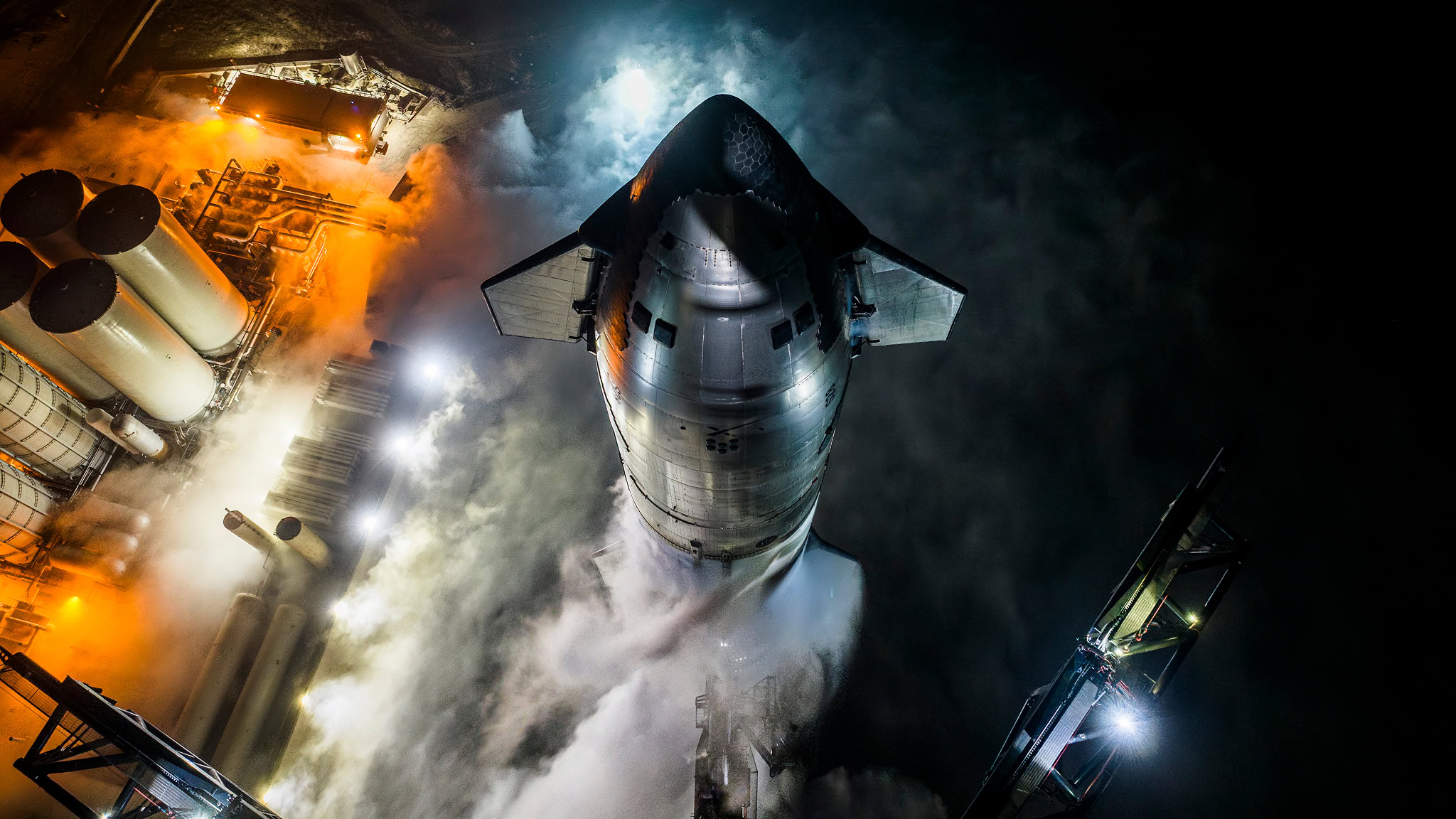
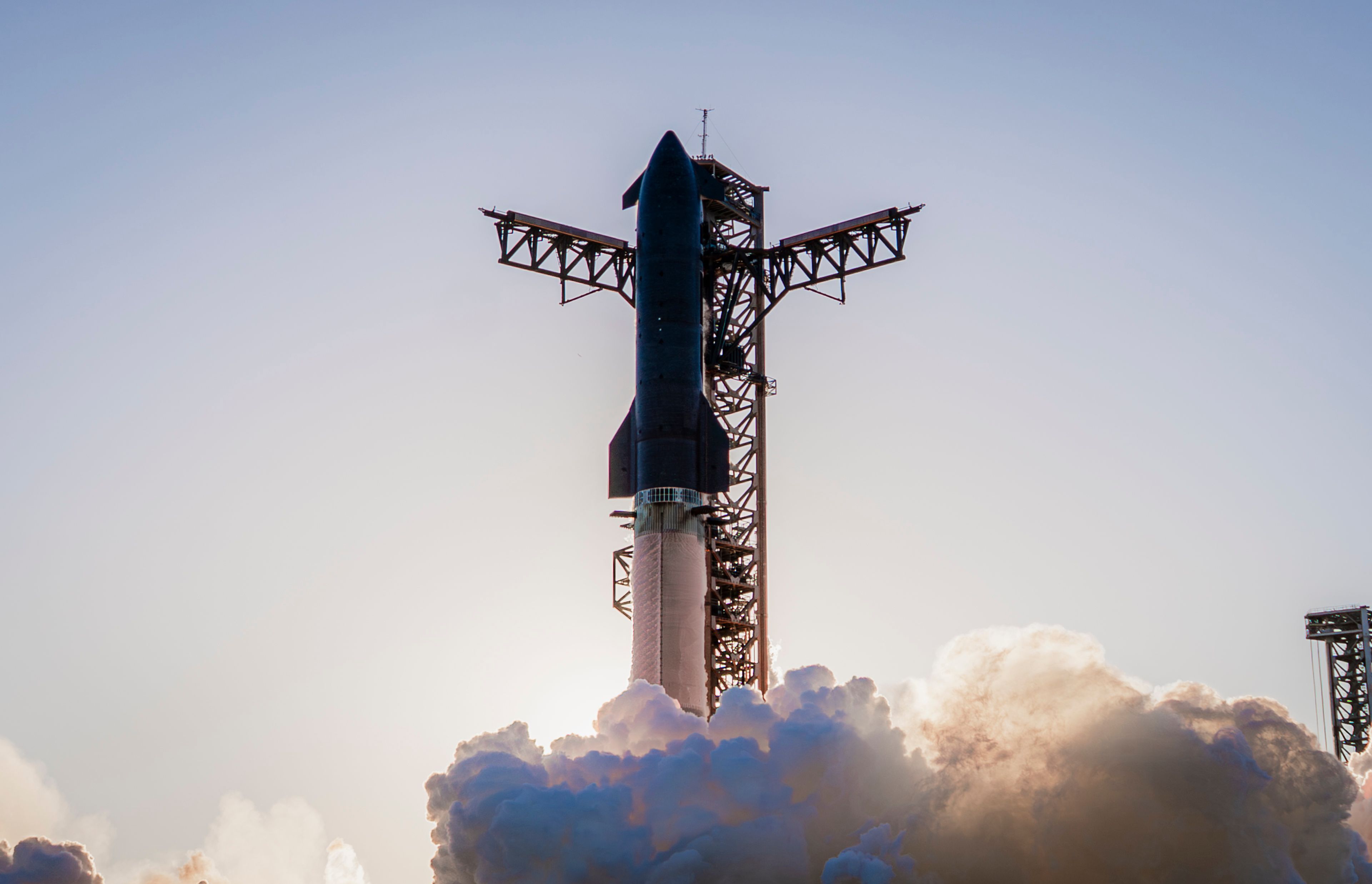
After 13 suborbital test flights and more than $15 billion in development costs, SpaceX’s Starship has finally reached orbit. The 407-foot megarocket, the most powerful ever built, lifted off from Starbase, Texas, on Monday and delivered its first real payload on it’s 14th attempt. The celebration came with an asterisk, though, since SpaceX had to cut the planned 10-hour mission to roughly three hours.

Splashdown confirmed. Congratulations to the entire SpaceX team on the first orbital flight of Starship! pic.twitter.com/urjmiwnvNl

— SpaceX (@SpaceX) September 28, 2026

What happened during Starship’s first orbital flight?

Shortly after separating from its booster, the Starship upper stage lost one of its engines. SpaceX spokesperson Dan Huot even told livestream viewers the team wouldn’t commit to orbit. However, minutes later, engineers confirmed the ship could still make it, and it did.

Recommended Videos

Once there, Starship released 26 Starlink V3 satellites one by one, each handling 10 times more data than older models. Musk says all 26 are working normally. The Super Heavy booster also completed its planned controlled splashdown in the Gulf of Mexico, while Starship continued its mission.

Why did SpaceX end the mission early?

SpaceX originally planned six orbits at about 170 miles above Earth, followed by a Pacific splashdown near Chile. Instead, mission controllers shortened the flight and brought Starship back after only a couple of orbits. The spacecraft splashed down north of Hawaii, where it tipped over and erupted in a fireball.

Splashdown confirmed. Congratulations to the entire SpaceX team on the first orbital flight of Starship! pic.twitter.com/urjmiwnvNl

— SpaceX (@SpaceX) September 28, 2026

The test still achieved its primary milestone while gathering data on systems including Starship’s heat shield. Three Starlink V3 satellites carried cameras designed to capture heat-shield data during reentry.

What comes next for Starship?
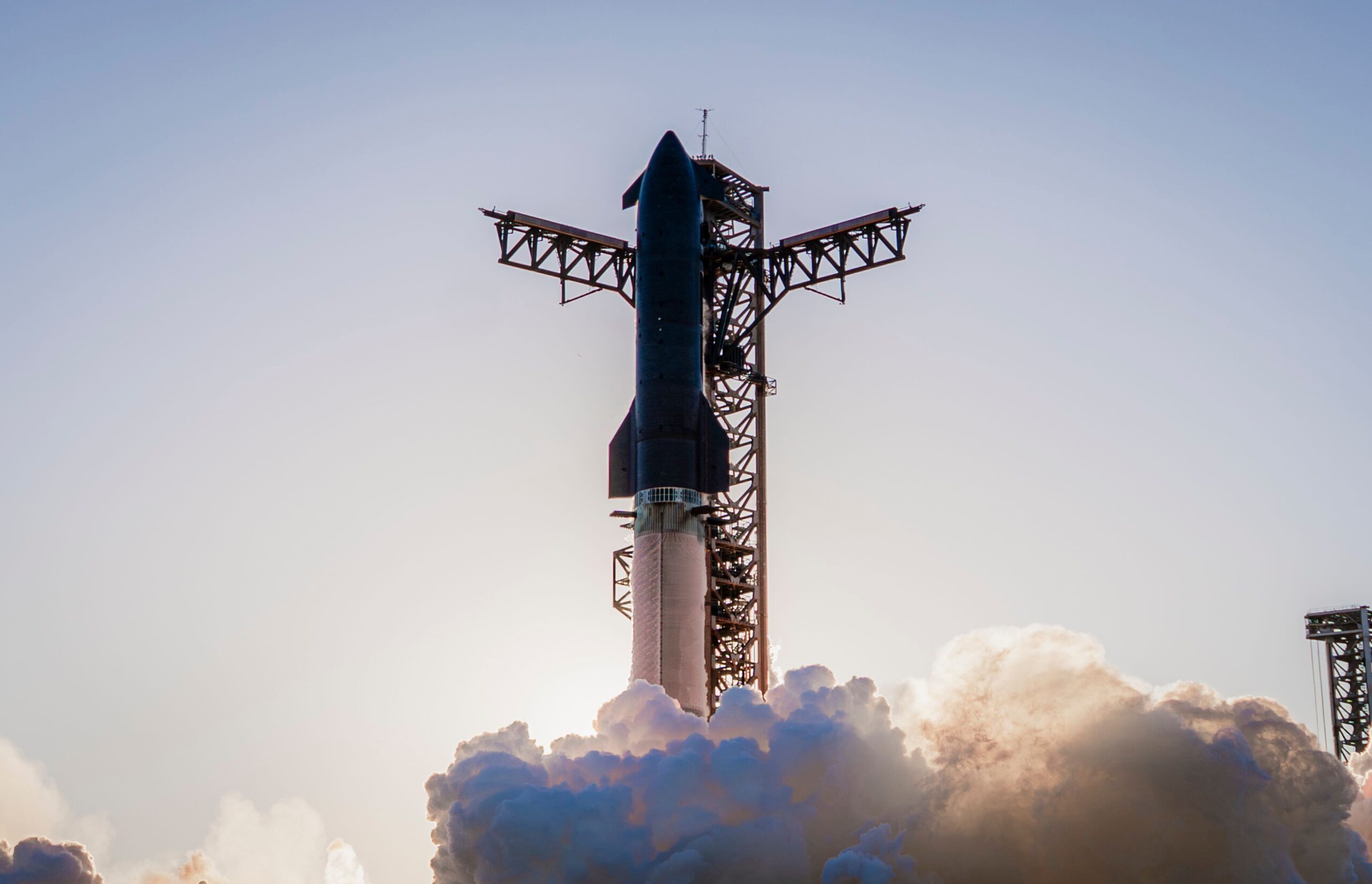
SpaceX still wants to catch the ship with its launch tower’s giant mechanical arms, something it has only done with the booster so far. It also needs to prove it can refuel in orbit before heading to the moon. That matters a lot to NASA, which is counting on Starship for its Artemis missions, starting with a docking test as soon as next summer.

Musk, meanwhile, claims Starship is two to three years from hourly flights. Considering he once promised orbit by 2022, I’d take that timeline with a grain of salt.

Manisha Priyadarshini
Manisha Priyadarshini is a tech and entertainment writer with over nine years of editorial experience.
Starship is finally going orbital, and SpaceX has picked September 22
Flight 14 is aiming for orbit, Starlink V3 deployment and a very long day in space.
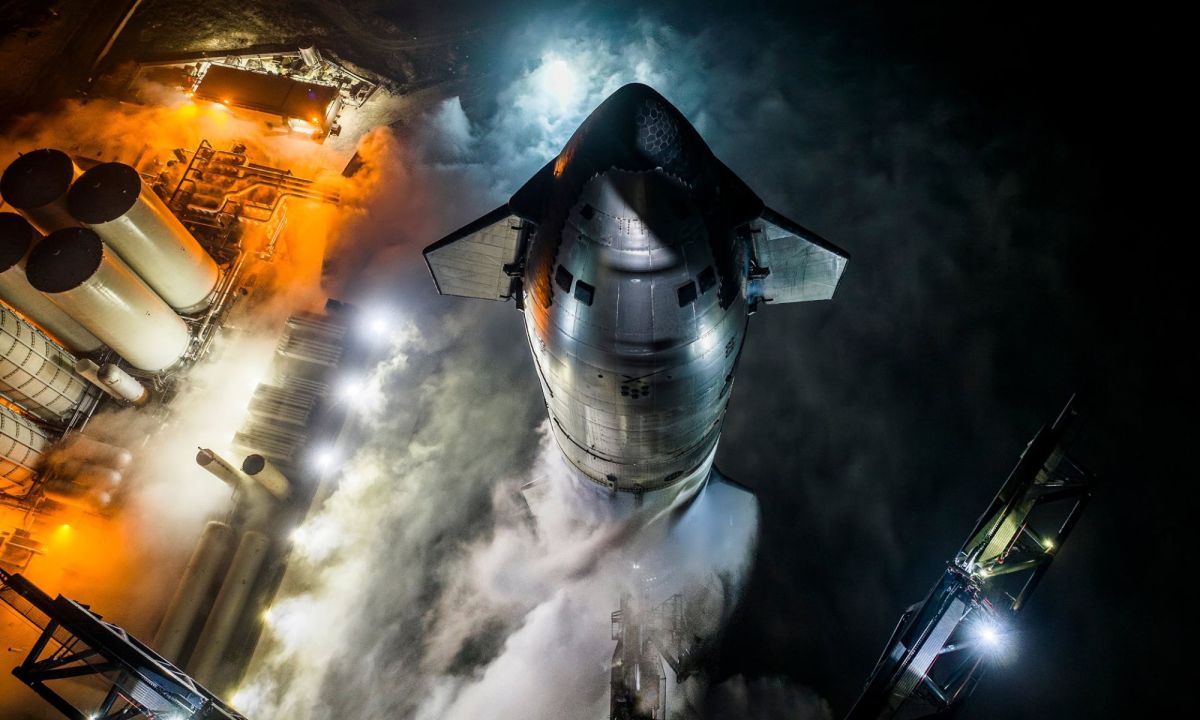
Starship rocket.

SpaceX is finally ready to give Starship its biggest test yet. The company says the massive rocket's 14th test flight is scheduled for September 22, when it will attempt to put the upper stage into Earth orbit for the first time. The launch is currently pending regulatory approval, with a 75-minute window opening at 7:15 a.m. CT.

Starship has 26 Starlink satellites to deliver

Read more
Want a city on the Moon? Scientists say there’s not enough water
A billion tons still comes up short
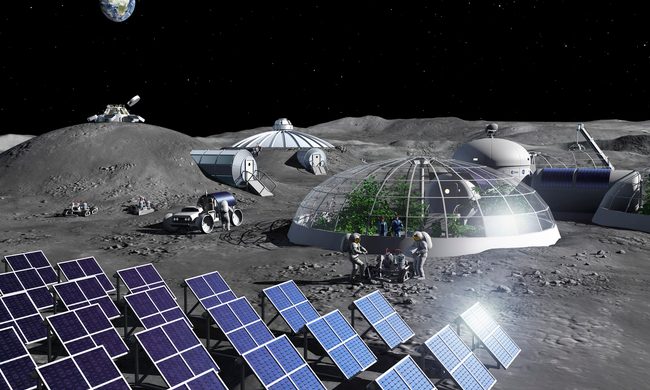
Artist impression of activities in a Moon Base.

For decades, humanity has looked up at the Moon and wondered what it would be like to live on it. Think sprawling cities, factories, research centers, and permanent human settlements. Unfortunately, there is one fairly fundamental problem with that vision.

A new study published in Frontiers in Space Technologies argues that even the Moon's potentially enormous reserves of frozen water may be nowhere near enough to support city-sized populations sustainably. Researchers Martin Elvis and Jonathan McDowell estimate that the permanently shadowed regions near the lunar poles could contain roughly one billion tons of water. It sounds like an extraordinary amount until you put a million thirsty humans next to it.

Read more
NASA’s new telescope can see 100 times more sky than Hubble in a single shot
NASA just launched a $4 billion telescope to map billions of galaxies
NASA Roman Telescope Launch Featured

The Hubble telescope has an almost legendary status. Over the last three decades, Hubble gave us some of the most spectacular close-ups of the universe ever captured, and now, NASA’s newest space telescope wants to see the bigger picture. The Nancy Grace Roman Space Telescope successfully launched aboard a SpaceX Falcon Heavy from Kennedy Space Center in Florida at 7:26 a.m. EDT on August 30. Roman is now beginning a roughly three-month journey toward the Sun-Earth L2 point, nearly a million miles away, where it will spend its primary five-year mission surveying huge portions of the cosmos.

Roman carries a 2.4-meter primary mirror, the same diameter as Hubble’s, but its Wide Field Instrument can capture a field of view at least 100 times larger than Hubble’s. NASA expects it to use that combination of sharpness and scale to map billions of galaxies, study dark matter and dark energy, and discover enormous numbers of previously unknown worlds.

Read more