

For decades, humanity has looked up at the Moon and wondered what it would be like to live on it. Think sprawling cities, factories, research centers, and permanent human settlements. Unfortunately, there is one fairly fundamental problem with that vision.
A new study published in Frontiers in Space Technologies argues that even the Moon’s potentially enormous reserves of frozen water may be nowhere near enough to support city-sized populations sustainably. Researchers Martin Elvis and Jonathan McDowell estimate that the permanently shadowed regions near the lunar poles could contain roughly one billion tons of water. It sounds like an extraordinary amount until you put a million thirsty humans next to it.
A million people could drain it in about a century

The researchers modeled a lunar population using water recycling comparable to the International Space Station, where approximately 98% of water is recovered and reused. Even with that extraordinary level of recycling, the estimated lunar reserves would sustain a population of one million people for only about 100 years.
The study concludes that recycling efficiency would need to improve by roughly another factor of 10, or substantially larger water deposits would need to be discovered, before settlements on that scale could become sustainable. Researchers also found that power could plausibly be supplied at the required scale, leaving water as the more stubborn bottleneck.
People on the lunar surface would need water for more than just drinking. It could provide oxygen and hydrogen, including propellant for spacecraft, making it one of the most valuable resources for sustained exploration. This is why NASA and other space programs have concentrated so much attention on the water-rich lunar poles.
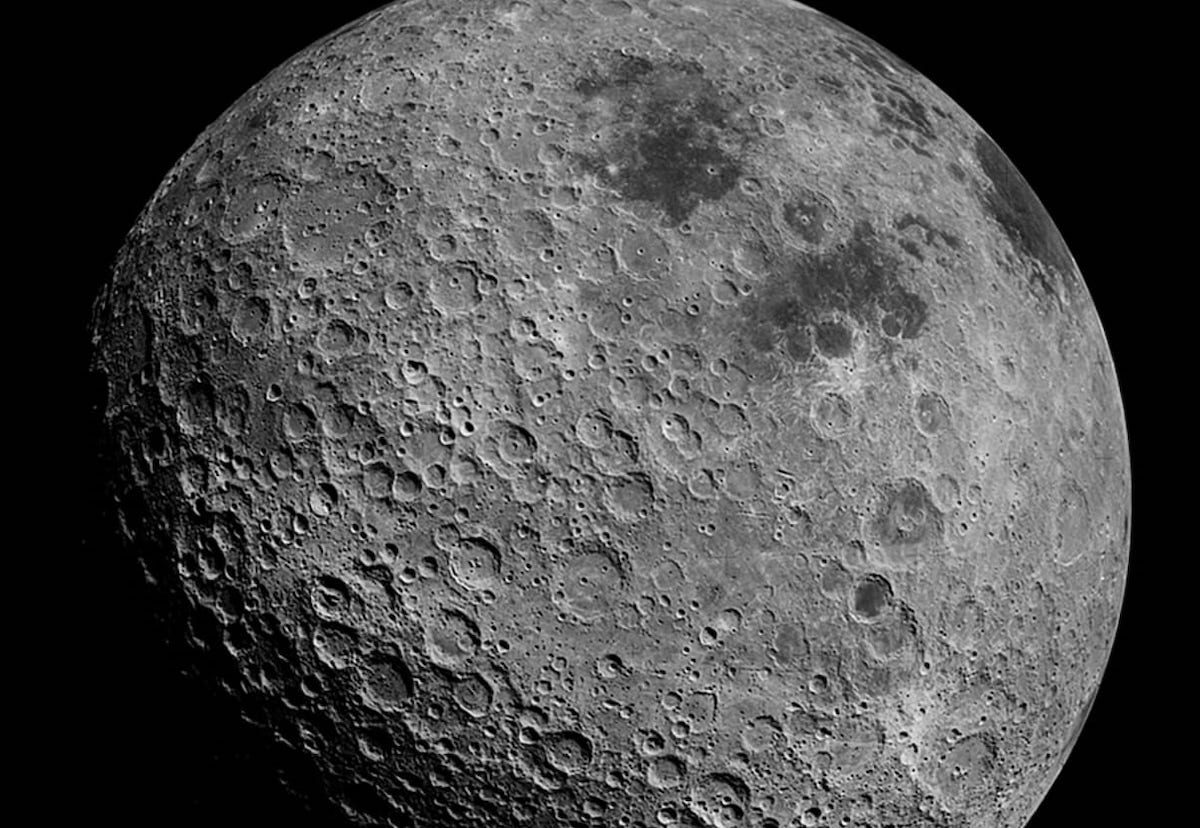
Moon bases as a concept aren’t dead
The findings do not conclude that humans can’t establish permanent outposts on the Moon. Much smaller populations require dramatically fewer resources. Contemporary reporting on the research notes that a settlement of around 1,000 people, roughly comparable with Antarctica’s winter population, is a considerably more realistic prospect. Industrial sites, scientific stations, or even data centers could also require relatively few permanent residents.
NASA is already moving toward something closer to that vision, recently investing $590 million in private lunar missions as it works toward a sustained human presence rather than immediately building a metropolis. So those giant glass-domed Moon cities from science fiction aren’t necessarily impossible forever. We just simply need to find considerably more ice—or get unbelievably good at using every last drop.


