  1. Home
  2. Space
  3. News

World’s first wooden satellite launched to space

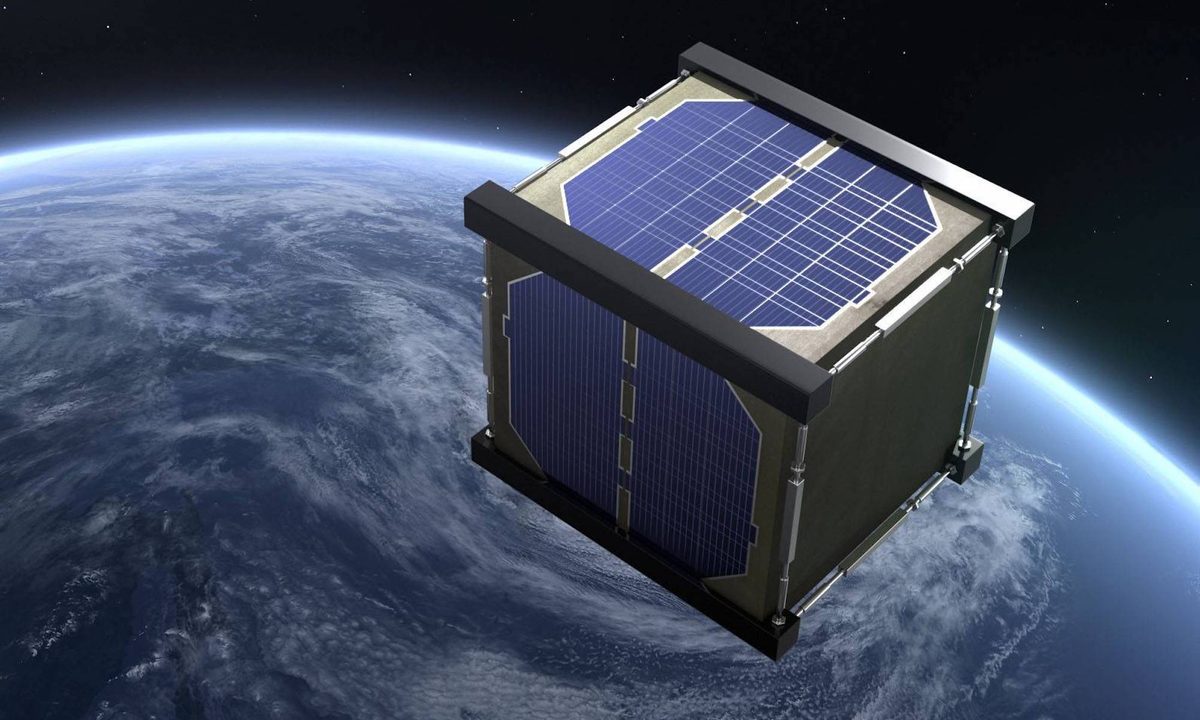
The world's first wooden satellite.
Kyoto University / Sumitomo University

Japan has just launched the first-ever wooden satellite to space.

The LignoSat cubesat was sent skyward by a SpaceX Falcon 9 rocket from NASA’s Kennedy Space Center in Florida on Monday and arrived at the International Space Station (ISS) aboard a Dragon supply ship the following day. The satellite will stay in orbit for about six months once it’s deployed from the ISS later this year.

Recommended Videos

Created by scientists at Kyoto University in partnership with homebuilder Sumitomo Forestry, each side of the cubesat measures a mere 4 inches (about 10 centimeters). It’s made of honoki, a type of magnolia tree native to Japan, and has been constructed using traditional Japanese techniques that forgo the use of screws or glue.

The idea behind the mission is to test the effectiveness of using wooden materials for satellites as a way to reduce space junk and protect the environment. When a satellite is decommissioned in low-Earth orbit, operators will try to dispose of it by burning it up in Earth’s atmosphere. But the large metal objects don’t always entirely disintegrate, with chunks of metal sometimes making it to the surface of our planet. Tiny metal particles can also end up in the environment.

Sensors aboard LignoSat will send back data that will allow scientists to learn about how well the wooden satellite is able to deal with the harsh conditions of space, which include huge fluctuations in temperature.

Digital Trends first reported on plans for the wooden satellite four years ago. Speaking to the BBC at the time, Takao Doi, a professor at Kyoto University and a former Japanese astronaut who has been to the ISS, said: “We’re very concerned with the fact that all the satellites which reenter the Earth’s atmosphere burn and create tiny alumina particles which will float in the upper atmosphere for many years.”

Speaking more recently, Doi said that if a wooden satellite design is found to be a viable alternative to metal ones, the team behind LignoSat plans to pitch it to SpaceX.

Trevor Mogg
Contributing Editor
Not so many moons ago, Trevor moved from one tea-loving island nation that drives on the left (Britain) to another (Japan)…
Blue Origin’s rocket booster returns to a hero’s welcome. Here’s why
The booster's success marks a giant leap for the spaceflight company.
The first stage of Blue Origin's New Glenn booster.

It’s been a week since Blue Origin landed the first-stage of its New Glenn rocket on a ship floating on the ocean, and with all of the back-slapping, endless celebrations, social media posts, and now a dramatic video (below), you’d be forgiven for thinking it was the first time it’d ever achieved such a feat. Oh wait, it was.

https://twitter.com/blueorigin/status/1991229667597029566

Read more
SpaceX preps next Starship flight as new booster rolls out for testing
It'll be the first flight for a redesigned Super Heavy booster.
The new Super Heavy booster Version 3 at Starbase ahead of the 12th Starship flight.

SpaceX is edging toward the 12th flight test of its mighty Starship rocket after the company rolled out the new Super Heavy booster for testing.

Appearing at SpaceX’s Starbase facility in southern Texas on Thursday, Booster 18 is the third version of the rocket’s main stage, with the 12th test set to see it fly for the very first time.

Read more
Blue Origin takes aim at SpaceX with rocket upgrade announcement
The spaceflight company is developing a larger, more powerful New Glenn rocket for more complex missions.
A render of Blue Origin's larger, more powerful New Glenn rocket.

Following last week’s success of Blue Origin’s first interplanetary launch and its first landing of the New Glenn rocket’s first-stage booster, the company has announced plans to transform the rocket into a more powerful beast. And yes, SpaceX will be paying attention.

The new version will be known as New Glenn 9x4, while the current one will now be called New Glenn 7x2, with the new names indicating the number of engines attached to the rocket’s first and second stages.

Read more