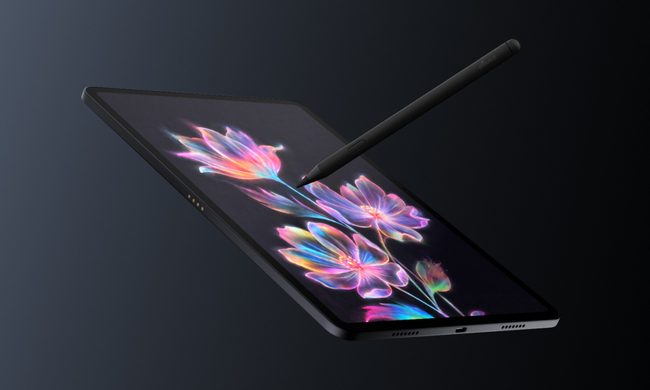
How would you like to use a specially modified, 7-inch Samsung Galaxy tablet, that’s not only almost unbreakable, but also extremely secure, after having been tinkered with by security experts to make it practically unhackable? Sound tempting? Well, it’s within most people’s grasp, but there is a caveat — you’re going to have to go to prison.
This is the APDS tablet, and it’s being sold to prisons for use by inmates. The prices vary between $600 and $1,000, which isn’t paid by the prisoner, but by the prison itself. Why would prisons spend so much money on an entertainment device for people who have broken the law, and given up their freedom?
It’s all about education. Statistics show that inmates who learn while incarcerated are far less likely to offend again when released. The tablet is designed as a supplement to prison educational programs, and paying out $1,000 for a tablet to enhance these programs is far more cost effective than the estimated $30,000 per year it costs to keep a prisoner locked up.
The approach is different to other technology companies working alongside for-profit prison systems, according to Christopher Grewe, CEO of APDS, who spoke to the International Business Times recently. He said rather than “selling pacification” by providing entertainment services on the tablet, APDS is about “selling education.” When the company was in its infancy back in 2013, APDS’s COO Adam Smith said its aim was to “supply education, rehabilitation, job training, and placement” to prisoners.
Unbreakable for a very good reason

It has taken two years to produce a tablet APDS is happy with, and that includes the secure software to stop it being used as a cyber weapon, plus a military grade body shell to stop parts being ripped off and used as a physical weapon. “There are murderers using this tablet,” Grewe told IBT, “We need to make sure no one can break it and turn it into a shank.” An accelerometer even sends out an alert if the tablet is hurled across a room.
APDS’s tablet isn’t only used by hardened criminals looking for a handy weapon. It’s used in juvenile prisons to help inmates continue their education, and in women’s prisons where educational apps can be used by incarcerated mothers as a way to stay in contact with their children. One inmate, speaking to NBC last year, said “It can help me read, it can help me with my attention span, which is good when I get out on the street.”
Each one comes with a selection of pre-installed apps for tests and online learning — they operate using Verizon’s 3G network — planned courses, and a library containing everything from law books to poetry. Some apps have a reward system which lets the prisoner listen to a song when a particular task is completed, and Web browsing is restricted to four secure sites.
APDS says it there are currently 600 of its tablets in use at the moment, and the hope is to expand this to 6,000 by the end of the year.