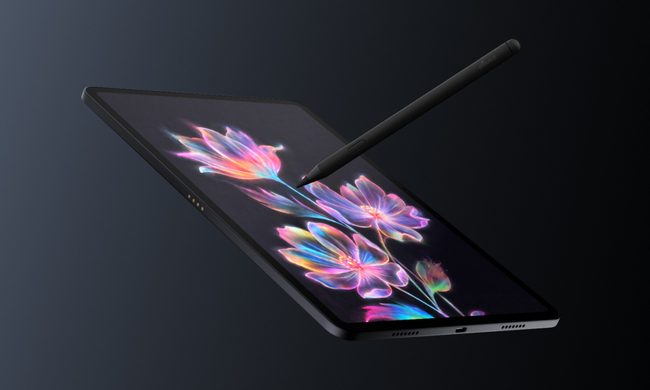
Apple is already past its usual upgrade cycle for the iPad Pro after the previous model was released in October 2022. Latest reports hint at an announcement now set for “early May” this year where Apple will unveil the new iPad Pro and iPad Air models, even though a proper event seems unlikely. Despite Apple’s suggested lack of fervor, these purported new iPad models are expected to bring significant changes, especially to the display.
Now, the latest iPadOS beta may have spilled beans on Apple’s plans — confirming long-standing rumors of an OLED display. According to references buried in the source code for iPadOS 17.5 beta for developers, there are four upcoming iPad Pro models, and they come with an OLED display — as opposed to LCD or Mini LED displays on the existing models.
As per 9to5Mac, these four instances in the code denote two display sizes — 11-inch and 12.9-inch — with Wi-Fi-only and cellular models for each. This is in addition to confirming the switchover to OLED technology.
The release dates for the new iPad models have seen some back-to-back delays, with the launch dates pushed from the usual March schedule to May, which is when Apple may now release those models. Industry intelligence group DSCC notes Apple’s indecisiveness about suppliers for the new display is contributing to these delays.
Big refreshes, but no celebration

If reports are to be believed further, Apple may likely skip a formal launch event and quietly release the new iPad Pro and iPad Air models, just like the upgraded MacBook Air last month. This is a bit dismal because the 2024 iPad models are likely to undergo significant upgrades.
In addition to the suggested OLED displays, the iPad Pro is expected to be furnished with M3 silicon, a thinner profile, smaller display bezels, a front camera along the longer edge, and an optional matte coating to deliver a paper-like impression while scribbling using the Apple Pencil. The 2024 iPad Air, meanwhile, will likely be stocked with an M2 chip, refreshed front camera orientation just like the Pro, and a 12.9-inch display option for the first time on the Air.
A new Apple Pencil is coming, too

Beyond these upgrades, the Apple Pencil will now support new gestures, including a “squeeze” gesture that was also confirmed by mentions in the source code. 9to5Mac further adds information about two additional gestures — “long squeeze” and “double squeeze” gestures. It’s likely that Apple will incorporate a force-touch functionality over a small patch on a new generation of the Apple Pencil instead of implementing it on the Apple Pencil 2, which currently lacks any pressure points along its fringes.
Earlier reports also suggest Find My support for the Apple Pencil, further solidifying grounds for a new model with ultra-wideband capabilities. Along with these changes to the Apple Pencil, Apple is likely to upgrade the Magic Keyboard with a sturdier aluminum casing and a larger trackpad.
As mentioned above, these products should be unveiled officially by May. Further delays might steal the limelight from the upcoming WWDC conference in June, where Apple is expected to swank its AI prowess with a smarter Siri, design changes in iOS 18, and more refined software experiences across its product lineup.