Expandable storage is decidedly passé on smartphones, especially premium ones. You used to be able to make do with a 64GB smartphone and slap a 1TB memory card in it to hold all your media and apps. That no longer happens. Once a staple on Samsung phones, the company no longer allows users to expand their built-in storage with microSD cards. The Galaxy Z Fold 4, despite being a little tablet like the microSD card slot-toting Galaxy Tab S8 Plus, is no exception.
“Only internal storage of 256 or 512 GB is supported by the Galaxy Z Fold4; microSD cards are not supported,” Samsung says. A 1TB model, exclusive to Samsung’s web store in select countries, also exists. With this in mind, what should you do about it?
How much storage should you get?
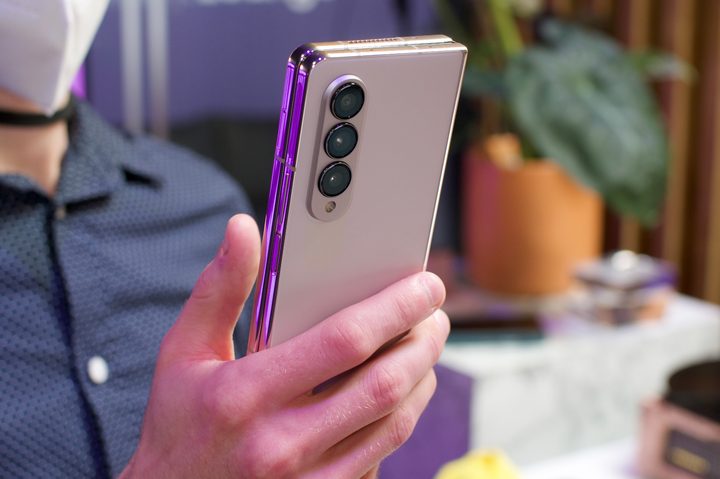
As noted above, Samsung offers 256GB to 512GB storage options for the Galaxy Z Fold 4. There’s an exclusive 1TB model, but that’s not going to be available anywhere. The advice for that variant would be simple anyway: If you can afford it and buy it, it will hold everything you want.
The 256GB and 512GB models are both fairly large. They will be able to store a large number of ever-growing Android apps, tens of thousands of photos, and a hundred or two hours of HD video (depending on which model) over the course of three or so years. While the base 256GB model should be enough for just about anyone, the 512GB model is for those who ultimately want peace of mind. It’ll likely hold everything, and you’ll probably never have to worry about your storage.
Are there storage-friendly alternatives to the Galaxy Z Fold 4 ?
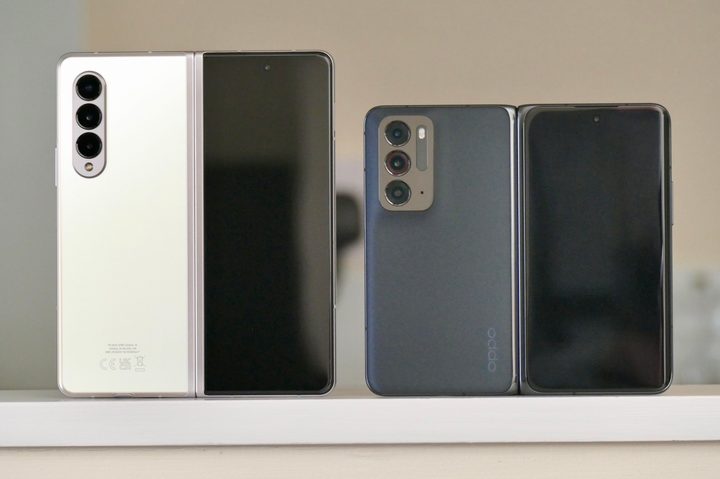
With the Galaxy Z Fold 4 going up to 1TB, there are pretty much no alternatives on the market. There are rivals from Oppo and Xiaomi in Chinese markets, but those don’t make their way across borders, nor do they have microSD card slots. Foldables are fragile enough already with many moving parts and the disadvantages of microSD cards that we’ll discuss shortly. Putting it simply, if you want to be comfortable with your Galaxy Z Fold 4’s storage, you have no choice but to buy the biggest you can.
You think you want a microSD card? No, you don’t
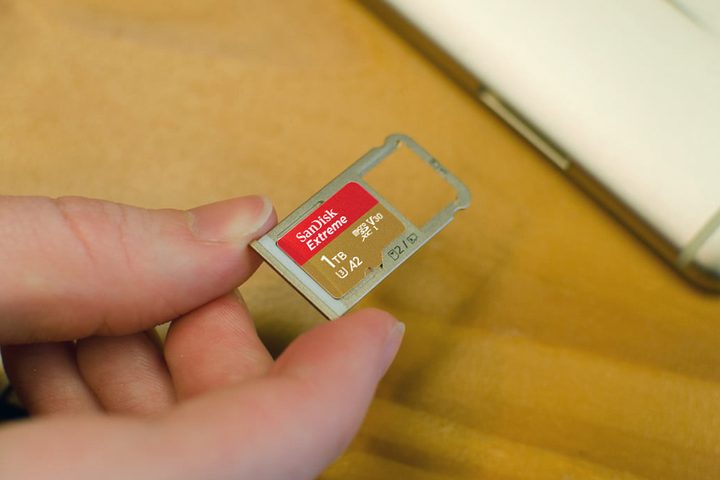
There’s a reason manufacturers stopped including support for microSD cards, and that’s because Google made it increasingly difficult to use them before landing on a sort of sweet spot (and we’ve gone through that present situation here). You see, people didn’t use microSD cards just for media; they were used to store apps and app data as well. However, not all microSD cards are created equal. A slower microSD card would end up degrading the experience of your device, possibly causing apps to lag and crash. Additionally, when a microSD card fails, you could lose data and disrupt your app experience, and more. A more expensive memory card could solve some — but not all — of these issues.
Furthermore, microSD cards were useful when we didn’t have both capacious internal storage amounts and cheap cloud storage. It’s one thing when you only have 16GB to play with and no memory card. It’s another thing entirely you can have up to a terabyte of storage, combining both local and cloud storage.