1. Home
  2. Tablets
  3. Apple
  4. Mobile
  5. News

Half of all iPhones are already on iOS 13 less than a month since release

Add as a preferred source on Google

The installation of iOS 13 is moving forward at a pace that Google can only dream of for Android. It took less than a month from the mobile operating system’s release on September 19 for it to be adopted in half of all iPhones.

According to figures published by Apple on October 15, 50% of all iPhones have already upgraded to iOS 13, with 41% staying on iOS 12 while the rest remain on earlier versions. However, when taking into account only the devices that were released in the last four years, those that have installed iOS 13 was up to 55%, followed by 38% on iOS 12 and 7% on earlier versions.

Recommended Videos

iOS 13 took 26 days to hit 50% of all iPhones, a few days slower compared to iOS 12, which took only 23 days. The difference is not much though.

The adoption rate of iPadOS, meanwhile, is moving slower than that of iOS 13, but still at an impressive pace. The new operating system, created specifically for Apple’s tablet, has been installed in 33% of all iPads, with 51% still on iOS 12 and 16% on earlier versions. When considering only the versions that were released in the last four years, the iPads that have upgraded to iPadOS were up to 41%, followed by 51% on iOS 12 and 8% on earlier systems.

Apple’s tight ecosystem of hardware and software has allowed it to maintain quick adoption rates for its mobile operating systems, which Google has not been successful in replicating for Android. Google has apparently stopped publishing adoption rates, so there is no information on how many Android smartphones have installed Android 10 since it was released last month.

Apple rolled out iOS 13 with a bevy of new features and improvements, including the long-requested Dark Mode, the Find My app that combines Find My iPhone and Find My Friends, an updated Health app and HomeKit, and the redesigned Reminders app, among many others. Our iOS 13 tips and tricks article shows iPhone owners how to make the most out of the new mobile operating system.

iOS 13, however, has not been void of problems, such dropped calls, lost contacts, and battery drain. It does not appear that the adoption rate of the new mobile operating system was affected much though, as iPhone owners continue to upgrade.

Aaron Mamiit
Aaron received an NES and a copy of Super Mario Bros. for Christmas when he was four years old, and he has been fascinated…
ASUS Pad Review: A pleasing OLED tablet that leaves its true potential untapped
OLED ambition without the flagship tablet tax
ASUS Pad Review in hand

See at Asus

Quick Take

Read more
Apple may host another launch on October 27, with new Macs and an OLED iPad mini expected
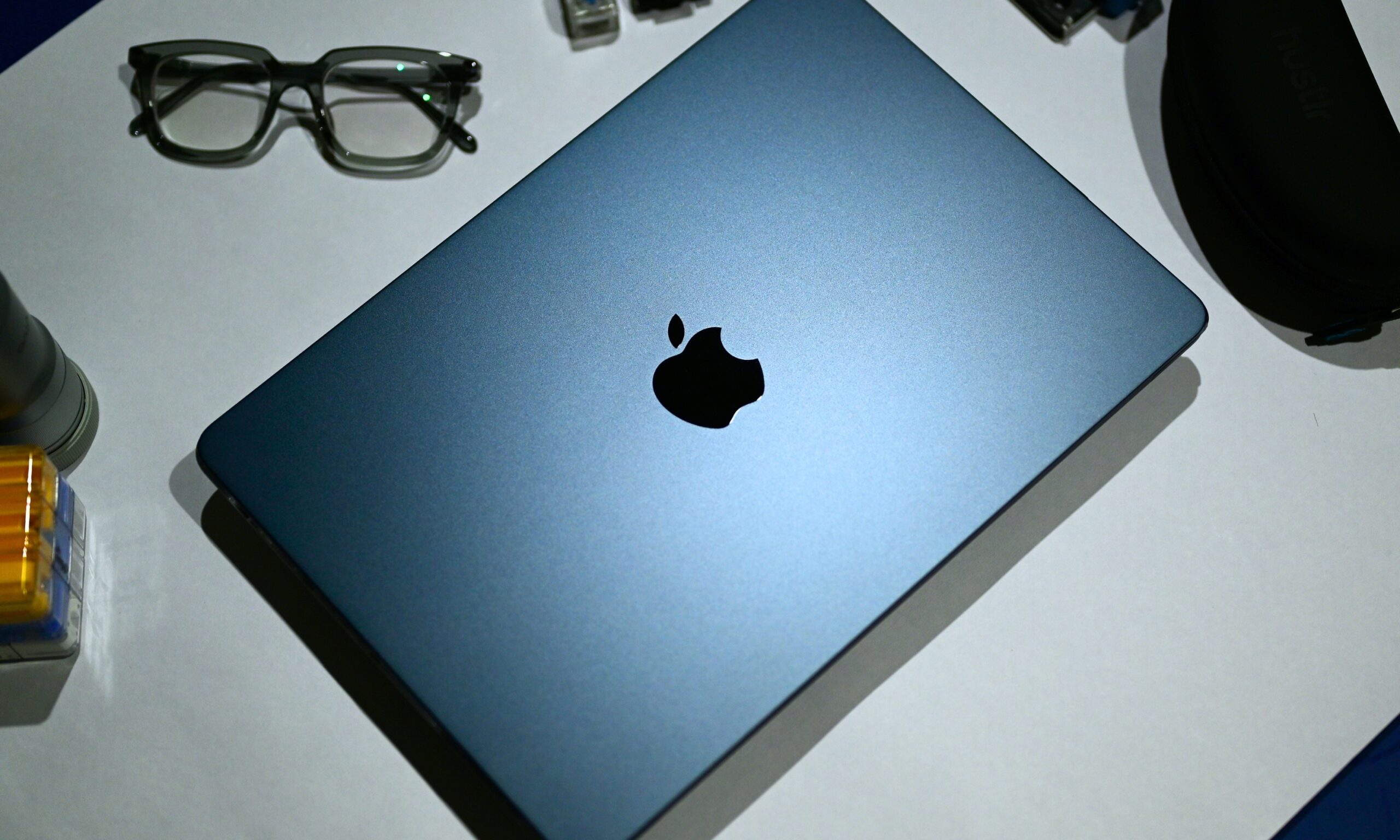
Apple’s late-October hardware plans may include a touch-screen MacBook Pro, M6 iMac, and refreshed iPad mini.
Computer, Electronics, Laptop

Apple is reportedly planning to launch a new slate of devices late in October, and this event will focus on Macs, it seems. Earlier today, Apple confirmed that a smart home-focused event is lined up for October 13, which leaves the doors open for another busy event where the company is expected to launch a highly anticipated MacBook Pro overhaul with the touch-sensitive OLED screen, a new iPad, and more computing gear.

“The product launch is scheduled on or around Tuesday, Oct. 27, according to people with knowledge of the matter. The end-of-month announcements will also include versions of the 14-inch MacBook Pro and iMac with M6 chips,” says the report.

Read more
Amazon is doing with Android tablets what Apple still won’t do with the iPad
Amazon's new tablets have an idea that other Androids should copy
Amazon Alexa Tablet 12 Pro pen

I did not expect Amazon to be the company that made me reconsider what an Android tablet should actually be. The company's Fire tablets have been quite the opposite of what you'd expect from an Android experience. Despite running on the Android OS, they ran a fork of Android, which pushed users toward Amazon’s own apps and services, and famously shipped without the Google Play Store.

That's not to say they were entirely terrible. In our review of the Fire Max 11, we praised it for its hardware package and overall value. Though its sparse app selection was also one of the biggest things holding it back. Installing Google Play yourself made the tablet dramatically more useful.

Read more