Samsung seems to be in a bit of a rush to raise prices on its devices. Hot on the heels of a surprise price hike on the Galaxy Z Fold 7, the company has now pushed prices up across a much wider slice of its lineup. Phones, tablets, budget models, flagships, nothing has been spared. If you have been saving up for a new Samsung tablet, you might want to sit down for this one.
No tablet left behind, unfortunately
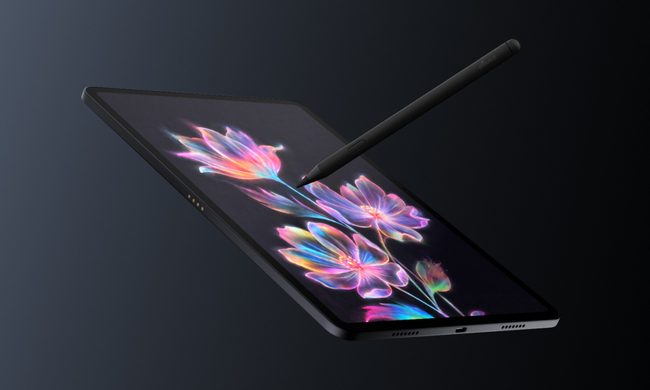
Samsung has raised prices across nearly its entire tablet lineup, and the increases are not small. The Galaxy Tab S11 range has been hit particularly hard, with the 256GB model jumping from $860 to $1,000 and the 1TB Tab S11 Ultra climbing from $1,620 to a staggering $1,900. That is a $280 increase on a single storage tier; that is a meaningful chunk of money.

Even the more budget-friendly options have not been spared. The Galaxy Tab A11 Plus, which was supposed to be the accessible entry point into Samsung’s tablet world, has gone up by $50 to $70, depending on the variant. The Tab S10 FE Plus 256GB jumped $70. Across the board, the message is the same: Samsung tablets now cost noticeably more than they did a few weeks ago.
Phones aren’t spared, either
A handful of Samsung phones are part of the price shuffle, including the Galaxy Z Flip 7 (512GB), the Galaxy S25 FE, and the Galaxy S25 Edge, each of which is going up by around $80.The S25 Edge increase is a little eyebrow-raising, given that the phone was not exactly flying off shelves to begin with, but Samsung has clearly decided that squeezing a bit more margin out of each unit is worth any further dip in demand.

The pattern here is hard to miss. The models with higher storage and more memory are taking the biggest hits, which lines up neatly with what industry analysts have been warning about for months. AI features are hungry for memory, and that demand is pushing component costs up across the entire industry. Samsung is passing those costs on, and it is doing so in a way that punishes those who want the most storage.
So, if a Samsung tablet was already on your shopping list, the calculus has just changed. Some of these increases are modest enough to shrug off, but others are significant enough to send you looking at alternatives. Apple’s iPad lineup, in particular, is now looking considerably more competitive on price at several tiers. If there is a silver lining, it is that older stock at previous prices may still be floating around at third-party retailers for a little while longer. Whether that window stays open for long is another question entirely.