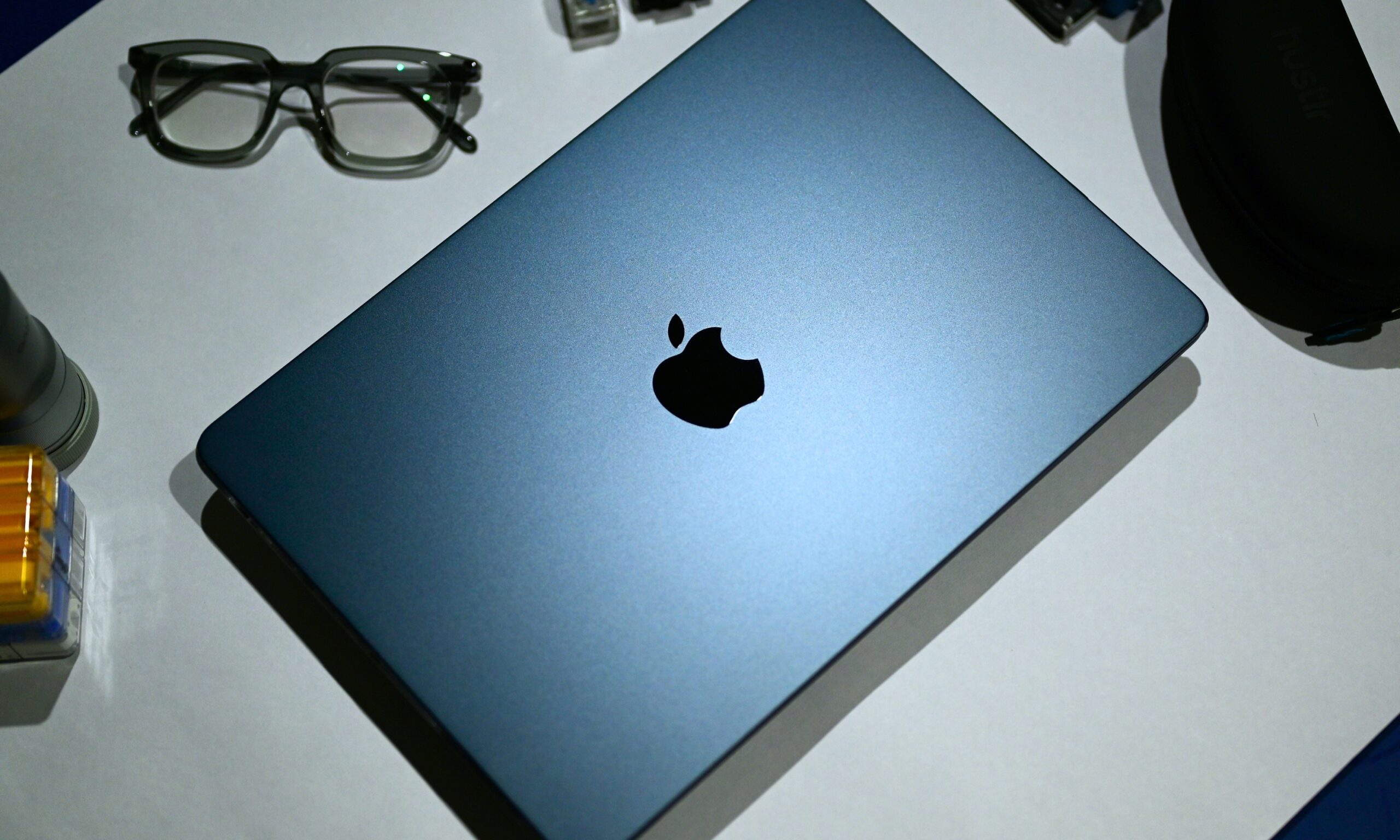
Earlier this year, I made a pretty drastic, all-in move to Apple. That included laptop, tablet, phone, and watch. And so far, I haven’t been tempted to go back.
But recently, I was challenged in wondering what could eventually drag me out of Apple’s walled garden ever again. After considering it for many weeks, I concluded that it’s an impossible challenge. So many of my frustrations around using an Android phone, Google Wear watch, and Windows laptop were resolved by Apple Continuity — and despite the recent advances, I don’t see that changing anytime soon.
Windows on Arm isn’t quite there

I’m right in the middle of reviewing a couple of the new Windows on Arm laptops powered by Qualcomm’s Snapdragon X Elite chipsets, including the HP OmniBook X. So far, I’ve found them to be reasonably compatible, fast for productivity workflows, and longer-lasting than current Windows laptops. While I’m not finding them as efficient as MacBooks, their battery life has been largely good enough for my needs.
But it’s still Windows 11. While I haven’t run into any compatibility issues, except for some apps that run in emulation but are still fast enough, I’ve seen the same kinds of instability that turned me away from Windows in the first place. Ironically, maybe, more than a few of my issues involve OneDrive, which simply isn’t as reliable on Windows as it is on macOS.
Until Microsoft fixes reliability, I’ll struggle to go back to Windows as my daily driver. And given all the issues my Windows-using wife experiences on a regular basis, I’m working hard to convince her to start using the MacBook Pro 14 that I’m not using as much since I picked up a new iPad Pro 13. I’m fairly certain that she’ll make the same conversion.
Samsung to the rescue?

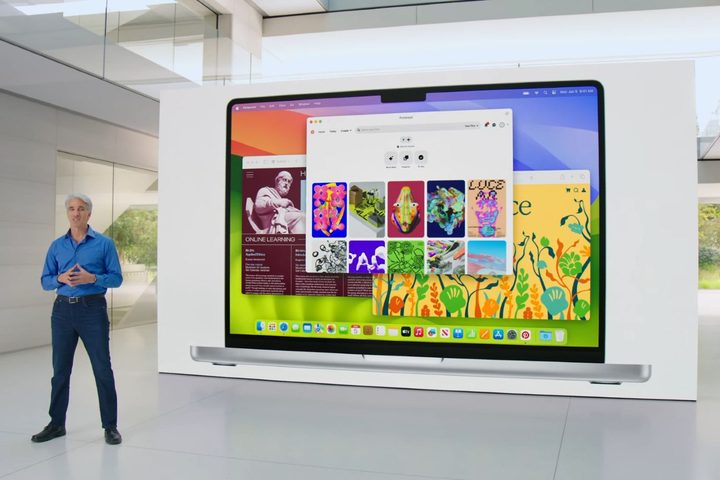
My laptop is the most important piece of my computing puzzle. It’s where I do most of my work, and no other device is quite as vital. So, any solution would have to incorporate an excellent laptop that provides close to the same performance, battery life, keyboard quality, and display quality of my MacBook Pro 16.
As I said above, while the current crop of Windows on Arm aren’t quite as efficient as MacBooks, they’re close enough for me. And I’ve reviewed several Windows laptops that are very good on the other three criteria. Probably, I could choose a Windows laptop with hardware that’s good enough.
The challenge is that few other laptop makers also offer smartphones, with a short list that includes Samsung, Lenovo/Motorola, and Asus. If I include tablets that most closely match the iPad Pro (i.e., they’re optimized for tablet use, unlike Windows 11), then that cuts Asus from the list. And if I include smartwatches, then Lenovo’s out.
That leaves Samsung as the sole manufacturer that offers Windows laptops, Android smartphones, Android tablets, and Google Wear smartwatches. I’ll set aside for the moment any questions about which of these platforms I prefer.

The question then is this: Does Samsung’s integration match Apple’s Continuity? Does the Galaxy Watch 6 work as closely with Galaxy smartphones as the Apple Watch does with iPhones? Does the Galaxy Tab offer the same, easy-to-use features as Apple Sidecar? Do messaging and phone calls work as seamlessly across every device? For that matter, do Galaxy Buds switch from phones to tablets to laptops as naturally as my AirPods Pro? And is everything as easy to configure?
This is an open question. I’ve read Samsung’s marketing materials and watched some YouTube videos, and it seems like there’s a strong ecosystem there. But in order to really test it, I would have to make just as significant an investment as when I switched to Apple. And even that sets aside the question of whether I’d like Samsung’s entire breadth of products as much as I like Apple’s.
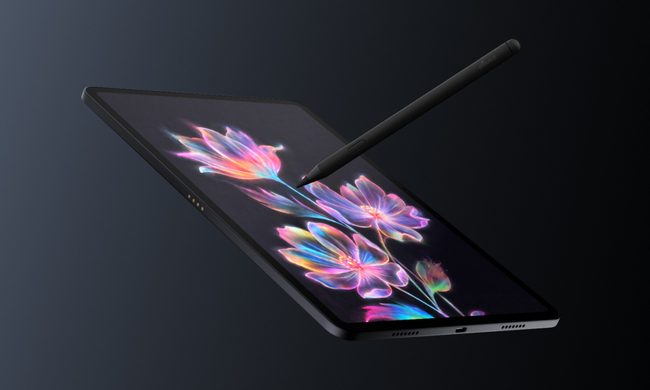
My experience with Samsung is admittedly limited. My wife uses a Galaxy S24 Ultra and I owned an Android phone forever before picking up my iPhone 15 Pro Max. So I’m somewhat familiar, and I favor the iPhone. I owned a Galaxy Watch 4 and like my Apple Watch Ultra 2 a lot more. But the Galaxy Watch 6 might be a lot better, I just don’t know. And I’ve never used a Galaxy Tab S9 Ultra, the most direct comparison to my iPad Pro 13 M4. I’ve never liked Android on tablets, but maybe the newest iterations have improved the experience.
Short of Samsung sending me all these devices to test for myself, I simply can’t justify such a massive and uncertain trial. And I suspect that’s true for most people who are in the Apple camp. Once you’re in, there’s a strong incentive to never leave.
An app ecosystem that surprised me

Don’t get me wrong: I’m no prisoner. In fact, I’ve been surprised at the quality of the Apple app ecosystem. I’ve always assumed that the Windows ecosystem was larger, and it might be when considering the vast store of legacy Windows apps that never made it to an Apple OS. And I was always aware that iOS apps outnumbered Android apps, but I’d assumed that the gap had significantly narrowed over time — which is kind of true on phones and less so on tablets, but more on that in a second.
As I used my various Apple devices more and more, I started branching out in choosing the best apps. I’ve long been settled on Microsoft’s suite of productivity apps, mainly Word, Excel, and OneNote, and I haven’t seen the need to stress about changing up the first two. Each runs on all my Apple devices, at varying levels of functionality, and where I need them most — my laptop — they’re equivalent enough for my needs.
But, because OneNote has some characteristics that have always bothered me and maintaining Windows compatibility has become less important over time, I’ve started looking at alternative note-taking apps. I went away from Evernote a long time ago and have no desire to move back, so I started looking at options exclusive to the Apple ecosystem. And what I found were some excellent options that look incredibly attractive and run across macOS, iPadOS, and iOS. And they offer a certain look and feel that seems a lot better than I’m used to.
I’ve also been looking for a good journaling app for capturing the random thoughts that strike me throughout the day. Here, I’ve found many better Apple-only options than I’ve found for Windows or Android. I’ve been using the very good (and unfortunately named) Diarium app because it works cross-platform, but it’s the only option that appealed to me. I’d have more options if I were to commit to Apple exclusives.
The bottom line is that I’ve found a polish to many apps that’s just a cut above what I’m used to on Windows and Android. I’m sure there are good alternatives across the board, but that’s been my perception so far. And I’ve found that most true on iOS and iPadOS, where Android phone and tablet versions and alternatives just aren’t the same. Even then, that’s setting aside some built-in apps that are a lot better on Apple devices than their Windows and Android equivalents.
I’m still looking
So, for now, my answer remains the same: There’s no one thing that would cause me to switch back to Windows. And, so far, there’s no combination of things, either. I didn’t even mention Apple Intelligence, and that’s an approach to AI that appeals to me.
I’ll keep looking, though. Technology changes quickly, and companies like Samsung are working hard to better compete with Apple across the board. I’ll be sure to report back if my position changes.