
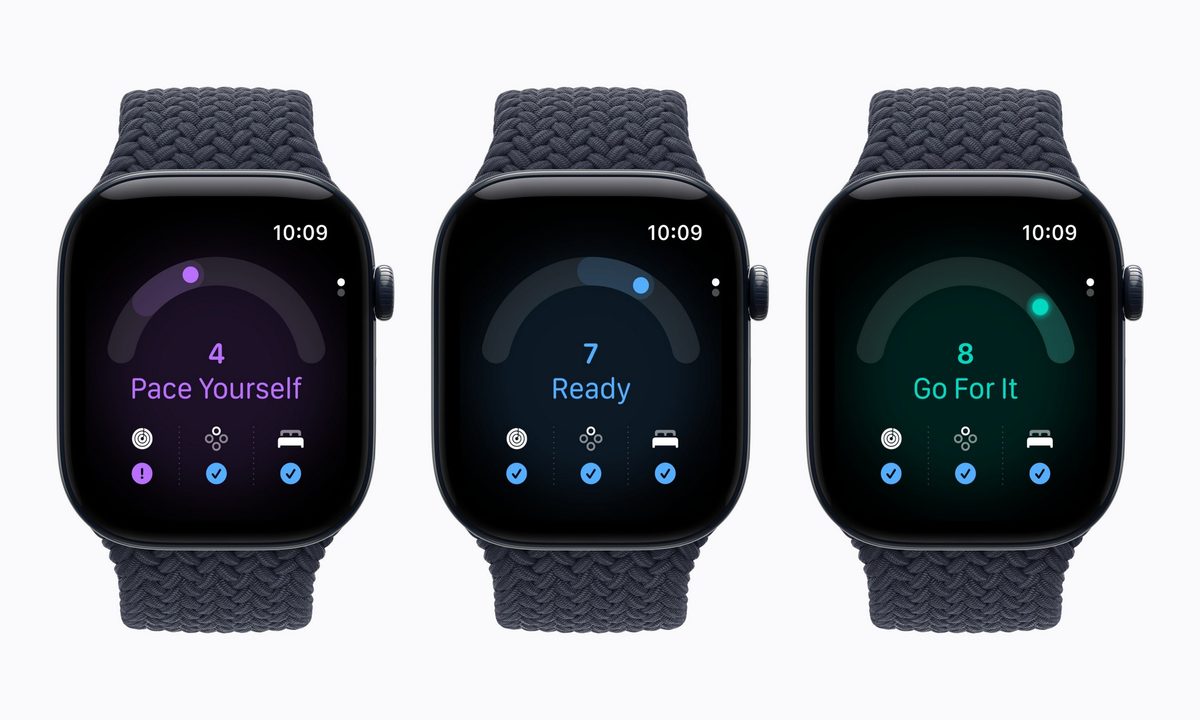
Apple Watches have already been quite solid at telling you all the basic details, like how much you have moved, how well you slept, and whether your health metrics are a bit abnormal. The next step is helping you decide what to do with all that information.
Announced at Apple’s September 9 event, the new health features include Readiness and Health Age metrics, alongside improved heart-rate monitoring on the Apple Watch Series 12 and Ultra 4. The additions move Apple closer to the recovery and longevity-focused experiences offered by Whoop, Garmin, and Oura, while building on the health tools already available across Apple Watch and the iPhone Health app.
Readiness helps answer the question your Activity rings can’t
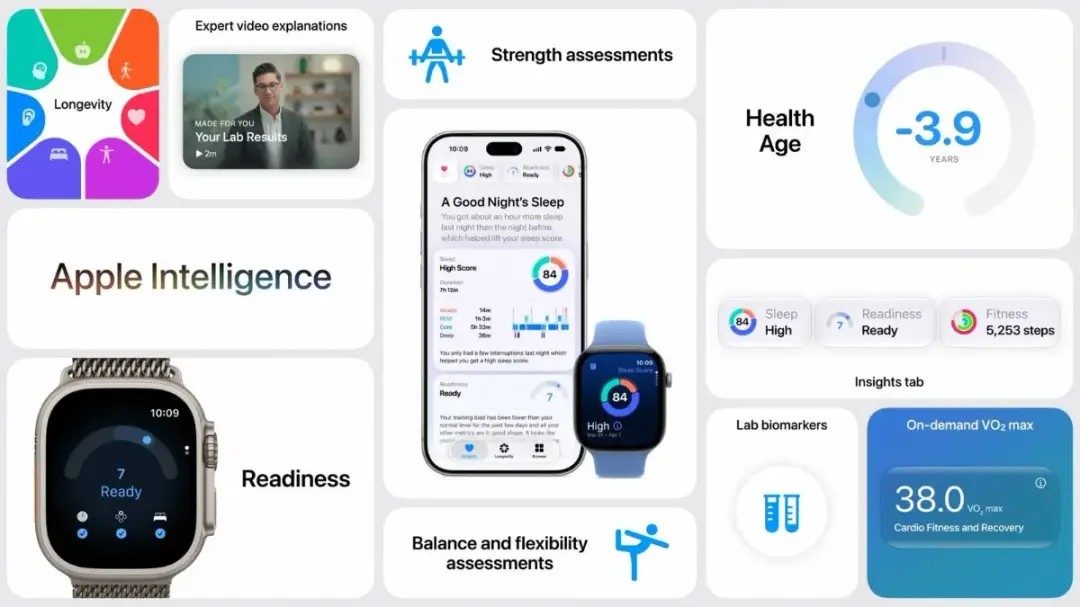
The new Readiness feature evaluates activity, sleep, and vital statistics to provide a clearer picture of how prepared your body is for the day. This makes it easier to understand when to push for an intense workout and when recovery is more important. Apple already offers Vitals, which compares overnight health measurements with your personal baseline, and Training Load, which helps you understand the intensity and duration of recent workouts. Readiness adds a more direct recovery-focused layer to that existing information, bringing the experience closer to what dedicated fitness wearables have offered for years.
Apple has even improved the hardware behind it. The Series 12 introduces more continuous background heart-rate monitoring, while the Ultra 4 features upgraded heart-rate sensing and more frequent heart-rate variability measurements. In practice, these changes can provide richer information for understanding recovery and longer-term trends. However, the accuracy of Apple’s new scoring system will need independent testing.

Health Age looks beyond your next workout
The more interesting long-term addition is Health Age. Rather than concentrating only on today’s activity, the feature is intended to help users understand how their health changes over time. It puts Apple into a category where Whoop has already made considerable progress with Healthspan and Pace of Aging.
In our Whoop 5.0 review, we found Healthspan particularly useful because it connects measurements such as sleep, activity, and fitness with an estimated physiological age and longer-term trends. So the appeal of this in Apple’s ecosystem is obvious. It gives users a way to see whether their habits are moving them in a healthier direction, rather than only sticking to an ambiguous daily score on the dashboard.
RELATED COVERAGE:
- Apple’s gorgeous ceramic Watch is back. It’s pricier and has been eagerly awaited
- Apple Watch Series 12 debuts with S11 chip, Audio Intelligence, and better health tracking for $399
- Apple Watch Ultra 4 is the first upgrade in four years that actually feels worth it
- Apple Watch Series 12 vs Series 11: What’s new, and should you upgrade?


