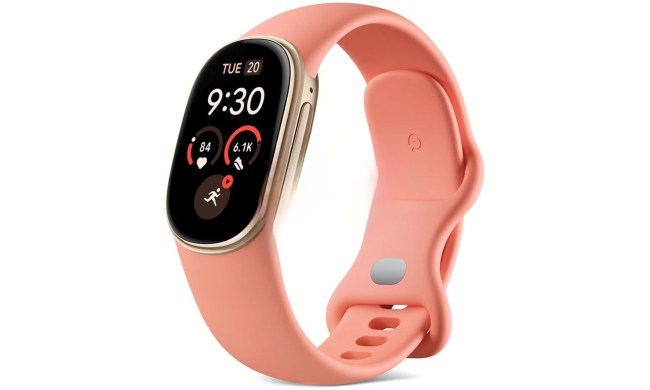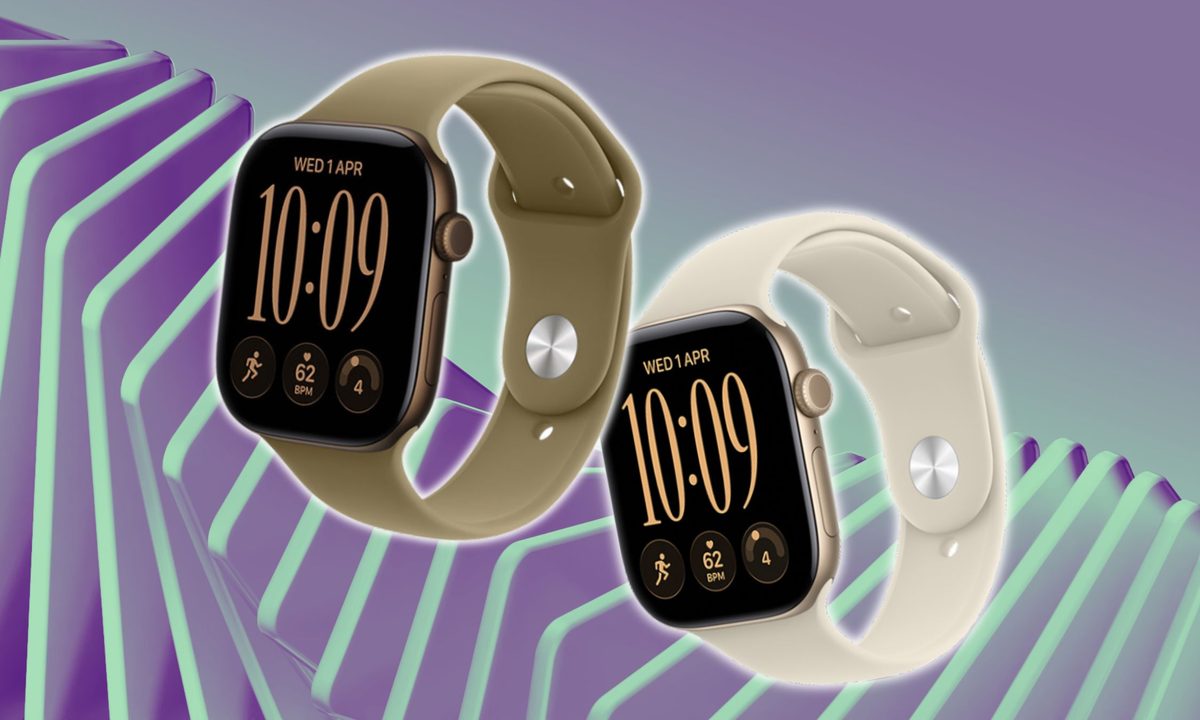
The Apple Watch Series 12 doesn’t look dramatically different from the Apple Watch Series 11, and that’s very much the point. Apple has kept the familiar 42mm and 46mm case sizes and the overall design, but has packed the new model with a much more ambitious health-sensing system, a new S11 chip, better charging, tougher glass, and a handful of new intelligence features. So, is this a proper generational upgrade or Apple polishing an already very good smartwatch? Let’s break it down.
Apple Watch Series 12 vs Series 11: Specs compared
| Feature | Apple Watch Series 11 | Apple Watch Series 12 |
| Processor | S10 SiP | S11 SiP with enhanced Neural Engine |
| Heart rate sensing | 3rd-gen optical sensor, periodic sampling | New Health Sensing System, continuous checks every 5 seconds |
| HRV tracking | Primarily overnight | Up to 24x more frequent, including Recovery and Overall HRV |
| Readiness Score | No native score | Native 0-10 Readiness score |
| Vitals | Primarily overnight | Daytime + overnight tracking |
| On-device AI | Limited Siri processing | Apple Intelligence and Siri AI via watchOS 27 |
| Aluminum glass | Ion-X | Ceramic Shield 2 |
| Case options | Aluminum, titanium | Aluminum, titanium, ceramic |
| Outdoor GPS workout | Up to 8 hours | Up to 10 hours |
| 15-minute charging | Up to 8 hours | Up to 12 hours |
| Starting price | $399 | $399 |
The easiest way to read this table is that Series 12 isn’t really about a faster smartwatch. The S11 chip is newer, but the bigger change happens under the hood, where Apple has rebuilt how it collects health data.
The Series 11’s third-generation optical heart sensor primarily relied on periodic sampling, whereas the Series 12’s new Health Sensing System can take heart-rate readings every five seconds throughout the day. That gives Apple a much richer stream of data to work with, particularly for HRV, recovery, and its new Readiness feature.
The other easy wins are battery-related. Both watches retain up to 24 hours of everyday battery life, but Series 12 stretches outdoor workout battery life from eight to 10 hours, while a 15-minute charge now provides up to 12 hours of normal use, compared with eight hours on Series 11.
What’s new on Apple Watch Series 12, and who is it for?
The biggest upgrade is Apple’s new approach to health and fitness tracking. Because the Series 12 is collecting heart-rate and HRV data far more frequently, it can do more than simply tell users what their heart rate was at a particular moment. It can start looking at patterns across the day and night. That feeds directly into the new Readiness Score, which gives users a simple 0-to-10 indication of whether the body is ready to be pushed or could use some recovery time. The Vitals experience also expands beyond an overnight snapshot, while HRV is split into shorter-term Recovery HRV and longer-term Overall HRV measurements.
The Series 12 also gets a redesigned Health experience, including a forthcoming Health Age feature, while Apple is adding support for perimenopause and menopause insights to Cycle Tracking. The watch can also use the iPhone camera for physical assessments covering things such as flexibility, strength, and balance, with analysis performed using on-device AI.
Then there is the S11 chip. Beyond powering the new health features, it enables Apple Intelligence and Siri AI on the watch, along with Audio Intelligence features such as Live Rewind and Siri Recap arriving later this year. Apple’s new machine-learning-based pedometer also promises more accurate step tracking, with a dedicated real-time steps complication.
And Apple has finally brought back ceramic. Series 12 offers Pearl White and Night Blue ceramic cases, marking the material’s return to the Apple Watch lineup for the first time since the Series 5. Aluminum models also get Ceramic Shield 2, which Apple says is 60 percent tougher than the Ion-X glass used on previous aluminum models.
That makes the Apple Watch Series 12 particularly interesting for health-conscious users, runners, and fitness enthusiasts who want more useful recovery data rather than more sensors for their own sake. It is also the more compelling option for anyone who wants Apple’s latest AI features or simply beats their watch up regularly and would appreciate tougher glass.
Should you upgrade from Apple Watch Series 11 to Series 12?
For most Series 11 owners, probably not immediately. The Series 12 is undoubtedly the more capable Apple Watch, but the design, everyday battery rating, and $399 starting price remain familiar. The upgrade makes much more sense for people who care deeply about continuous health tracking, HRV, Readiness Score, longer GPS workouts, faster charging, or Apple Intelligence features.
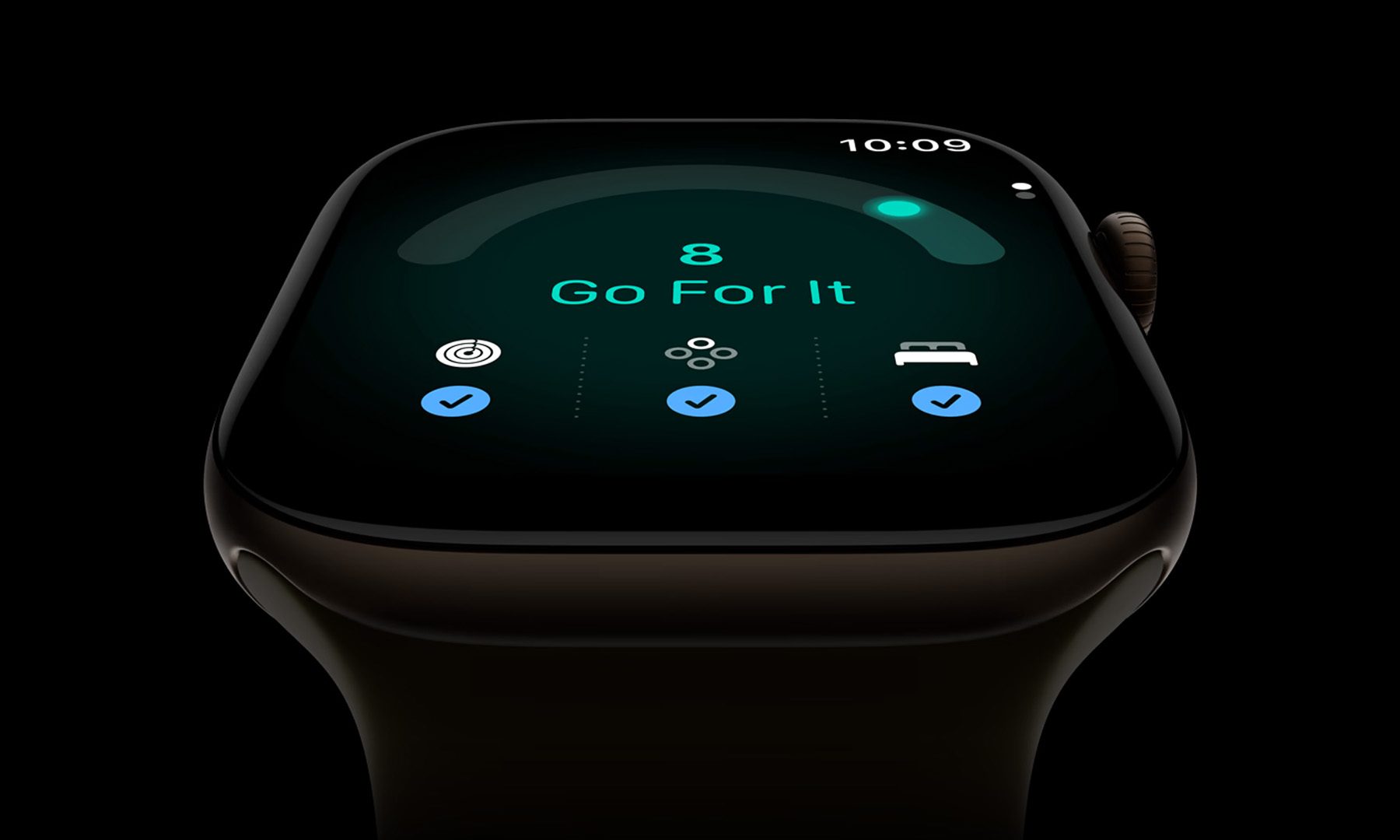
Everyone else can probably let the Series 11 keep ticking for another year. For someone coming from an older Apple Watch, however, the Series 12 looks like a much easier recommendation: this is less a flashy redesign and more Apple quietly turning the Watch from a passive tracker into a much more serious health and fitness companion.
RELATED COVERAGE:
- Apple’s gorgeous ceramic Watch is back. It’s pricier and has been eagerly awaited
- Apple Watch Series 12 gets Readiness and new tools to track how your body is aging
- Apple Watch Series 12 debuts with S11 chip, Audio Intelligence, and better health tracking for $399
- Apple Watch Ultra 4 is the first upgrade in four years that actually feels worth it